Seventeen 1970s crafts, from the macramé owl to the push-pin sequin ornament, with where they came from, what the few worth money bring now, and what to do with the one you kept.
Hang on for #1: the sequin ornament someone in your family may have pinned together by hand, with how it was done and what one brings now.
The sofa is plaid. The afghan over its back is brown, orange and gold, and the owl on the wall above it has wooden rings for eyes. You can see that room with your eyes shut, and maybe one piece from it has followed you through every move since. The 1970s crafts that filled those rooms came from mail-order catalogs, craft chains and the ceramics shop down the road. Most sell for very little now. A few don’t. And one or two need you to stop before you reach for the sink.
#17 Macramé plant hangers and owls on every wall
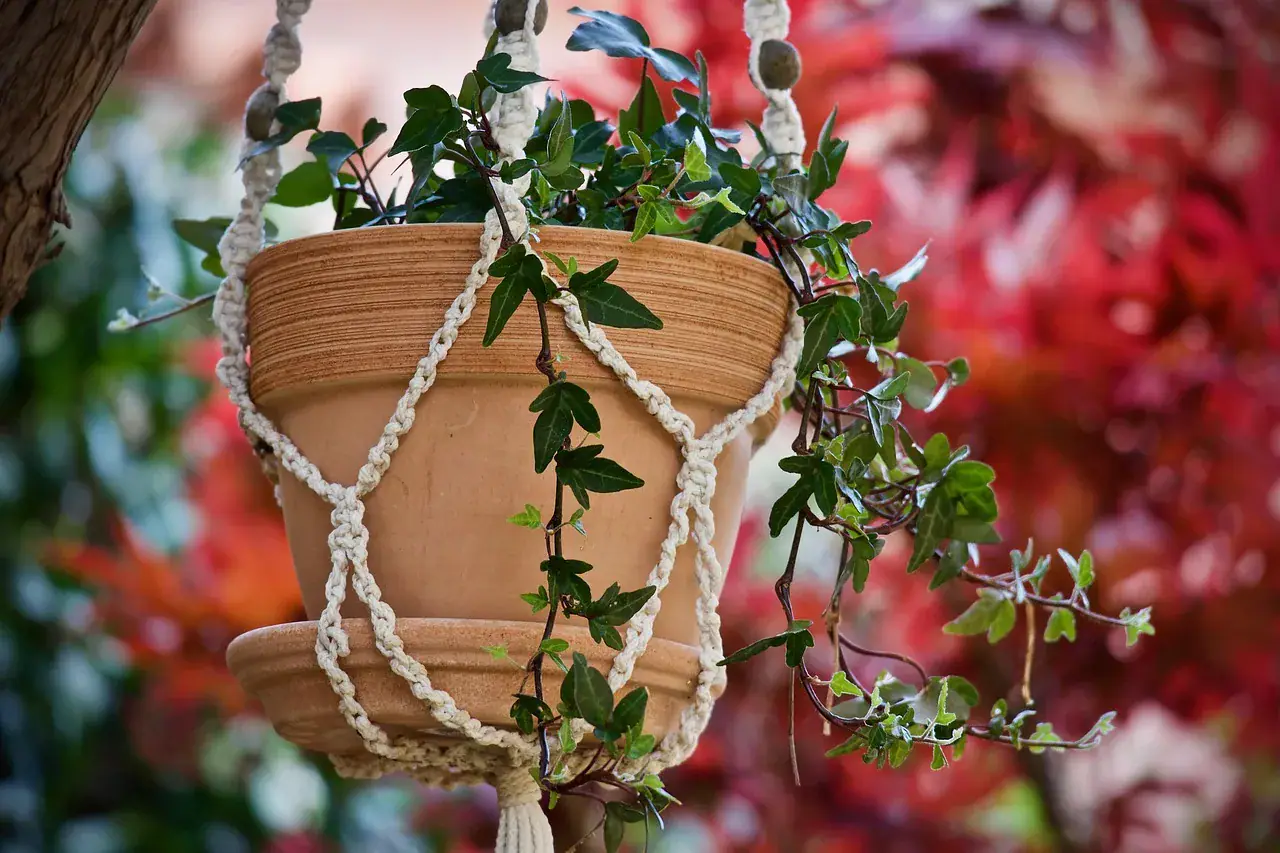
In most homes the plant hanger came first: jute, wooden beads, a ring at the top, and a spider plant swinging over the sink every time the back door shut.
Candi Strecker’s 1993 zine It’s a Wonderful Lifestyle, looking back on the decade, called macramé “the signature craft of the ’70s” and named the macramé plant hanger its most common form. It ran all the way from artists working in natural fibers to hobbyists knotting “brightly-colored synthetic yarns.”
Then the owls landed. “There were owls on absolutely everything,” says Dr. Anna Ruth Gatlin, who teaches interior design history at Auburn University. Her reading of it: “Macramé owls combined the desire for nature with a rising handicraft movement.”
By 1977 the Los Angeles Times Home magazine was pushing the macramé owl as a must-have and selling a do-it-yourself kit for $7.95.
Why owls? The home site Hunker has a guess: Woodsy Owl, the Forest Service bird who told you to “Give a hoot, don’t pollute!” He was introduced on September 15, 1971. Nobody has proved the link, but it’s a fun one to say at the dinner table.
What the newspaper how-tos told you to buy
- Plant hanger, Zanesville Times Recorder, 1975: 100 yards of jute cording, six 1-inch wooden beads and a 1½-inch O-ring
- Owl wall hanging, Montgomery Advertiser, 1977: 90 yards of No. 72 jute, about ¼ inch thick
- For that same owl: two small wooden beads, two wooden curtain rings, a 1-foot stick and a 2-foot stick
- The knots themselves: Pat Trexler’s basics column in the Orlando Sentinel, October 1971 (see all three)
When macramé fell out of fashion in the early 1980s, thousands of owls went out with the trash. If yours is still on a nail somewhere, it made it through the purge.
#16 The granny square afghan on the sofa
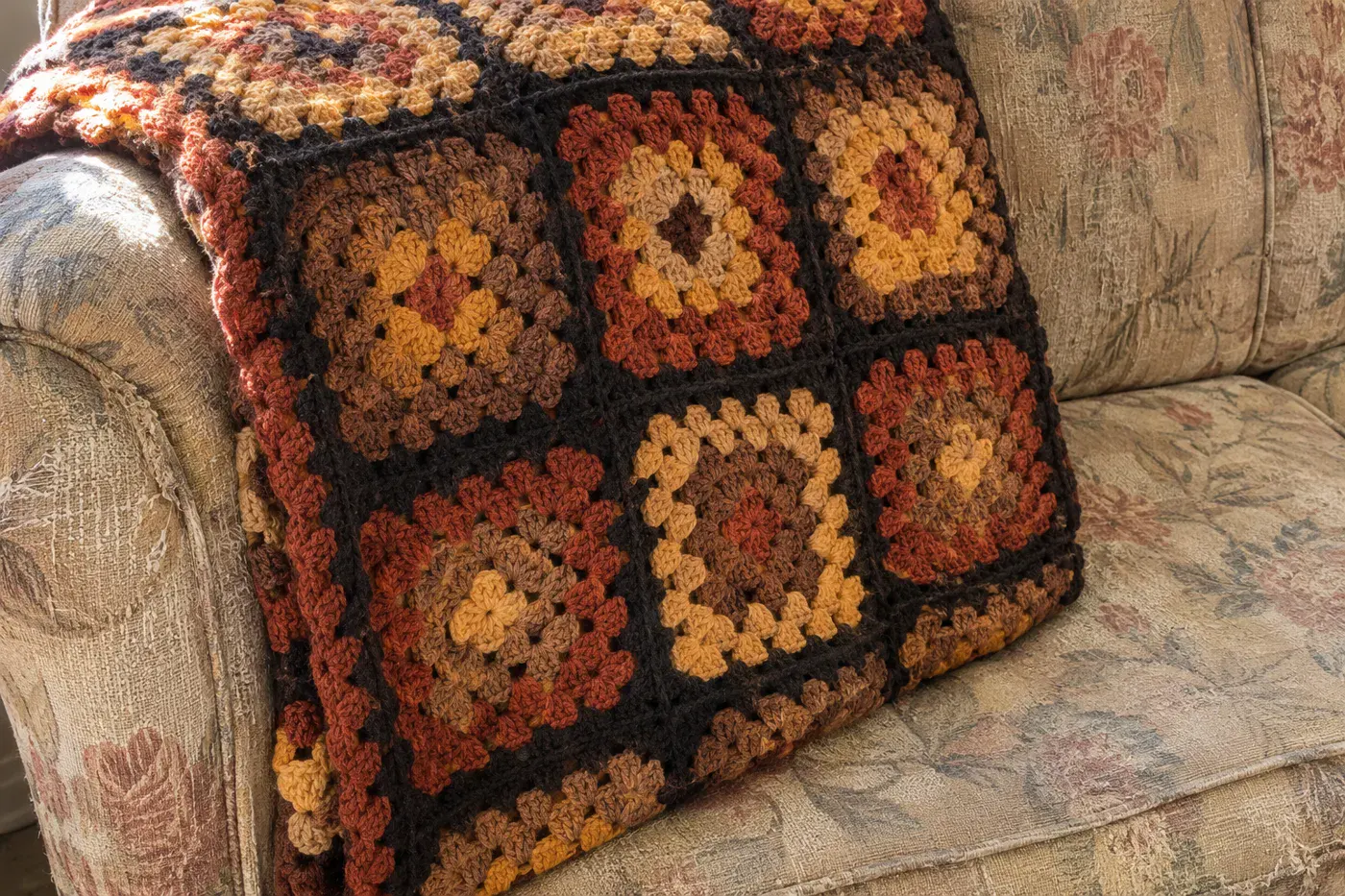
Debbie Stoller, who wrote the Stitch ‘n Bitch books, put it best. “If you grew up in the seventies, as I did, you might fear the granny square,” she wrote, “if only because, for a while, clothing was made of nothing else.”
You know the granny square afghan she means. Rust, gold and brown, joined in black, folded over the back of the couch and pulled over your knees during the late movie.
Here’s what surprises people: the square is far older than the decade. The earliest known design ran in Prairie Farmer magazine on April 5, 1885, under the name of a Mrs. Phelps. And if yours was made with Red Heart’s acrylic Wintuk, that yarn only ran from 1967 to 1980, so it really is a child of the era.
Now the honest part. Thrift stores sell these afghans for “even less than $5,” a House Digest look at the comeback reported in 2026.
But the squares themselves got cool. In 2020, a 22-year-old in Los Angeles named Liv Huffman crocheted a granny-square copy of a $1,890 JW Anderson cardigan made famous by Harry Styles. Her TikTok video drew nearly 4 million views, and followers mailed her more than 500 squares, the Los Angeles Times reported that December. “I thought it was so fun that granny squares have become cool again,” she said.
Under one TikTok of a vintage blanket being cut and sewn into a jacket, commenters kept bringing up the throws they’d never part with: a mother-in-law’s, a grandparent’s.
#15 Latch hook rug and pillow kits
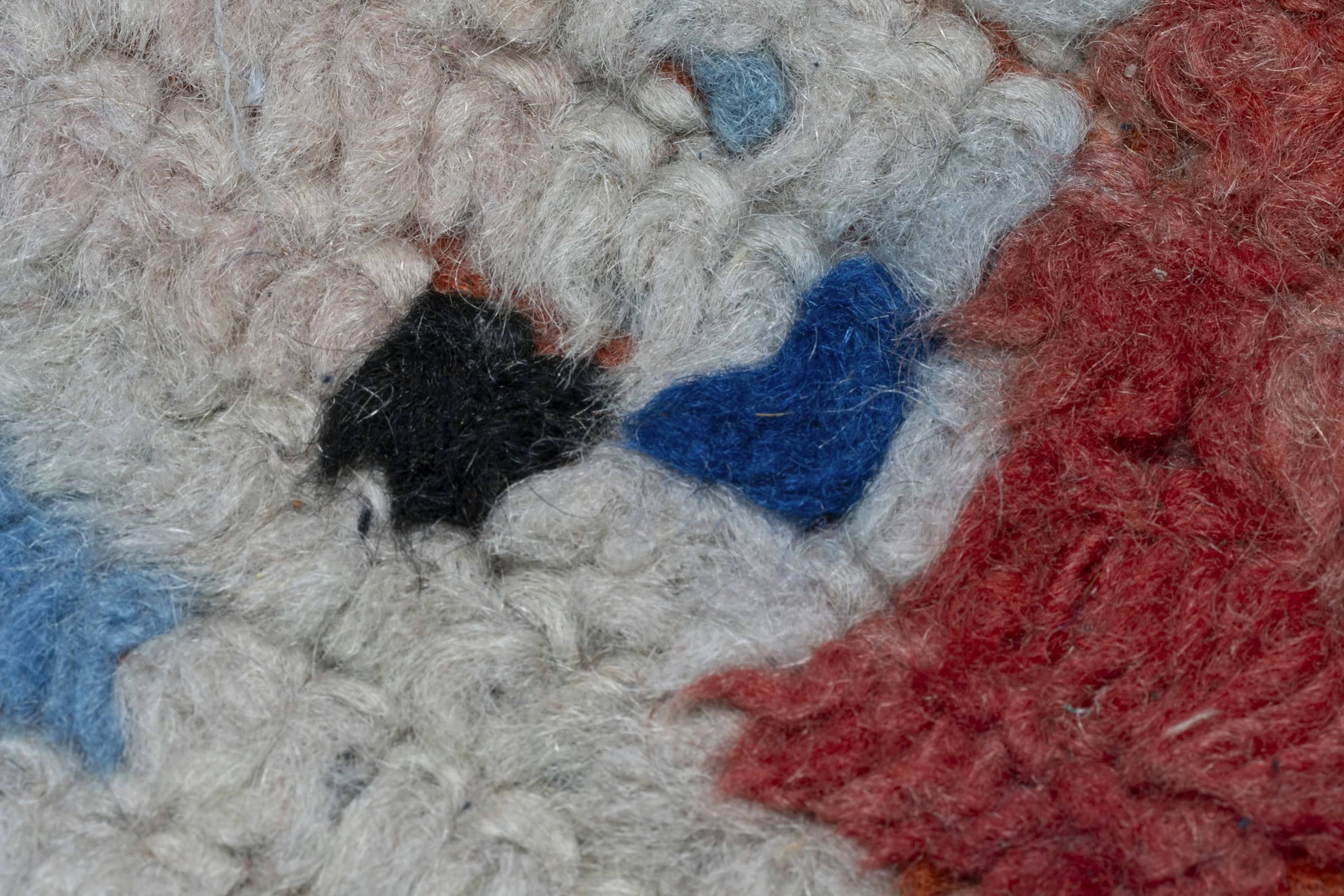
You remember the motion. Hook through the canvas, yarn over, pull back, and the little latch flips shut with a click. The precut yarn sat in piles by color, and if there was a dog in the house, it always found the orange pile.
Sealed latch hook rug kits from the decade still turn up for sale. Listings gathered on PicClick, which pulls in eBay listings, mostly ask about $15 to $40. A few real examples:
| Kit | Details | Listed at |
|---|---|---|
| Vogart “Hook It” Train rug | #4314, 20 x 27 in. | $29.99 |
| Caron Mushrooms rug | 1977, 20 x 27 | $35 |
| Columbia-Minerva Shells | 1977 | $22.99 |
| Malina “Hoot Owl” | Unopened | $25 |
Those are asking prices, not what anyone paid, so treat them as the top of the range. And yes, even the latch hook aisle had owls.
If you want to start a new one, the WonderArt latch hook line is still sold today through Yarnspirations.
#14 Puka shell necklaces from the beach

Small white shell discs on a cord, worn tight at the throat with a tan.
They didn’t stay a beach-stand thing for long. In the 1970s, puka shell jewelry became sought after by celebrities like Elizabeth Taylor, and prices “skyrocketed.” Real puka shells ran short, so imitations made of plastic or other shells moved in to fill the gap.
So if you kept one, it may not be what you think. A necklace that came cheap may well be one of the plastic ones.
#13 Terrarium gardens growing under glass
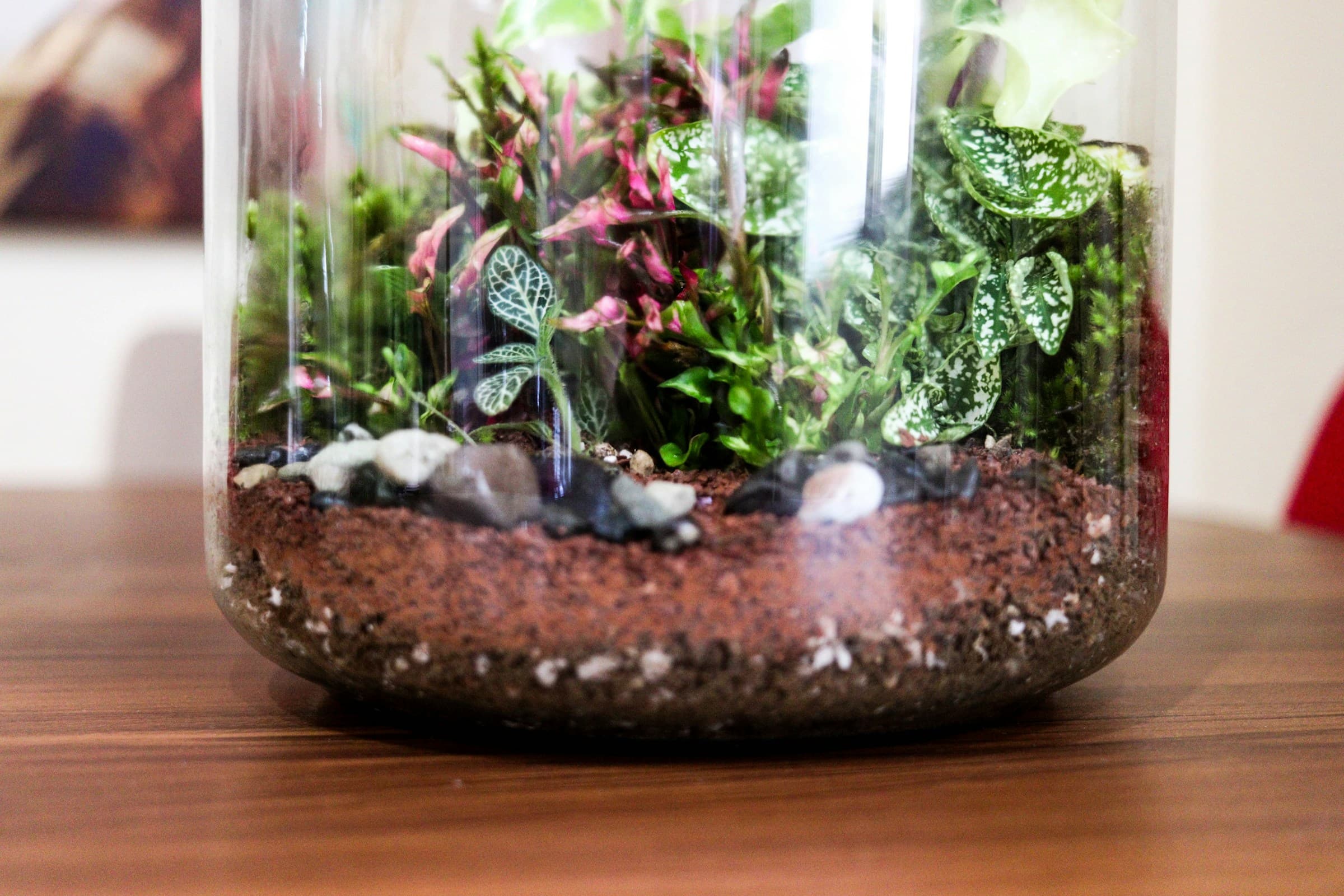
Did you ever wonder why the terrarium on the bookshelf seemed to live on nothing? It was built that way.
Better Homes & Gardens laid out the formula in March 1971, and it’s short:
- About an inch of coarse sand or pea-size gravel on the bottom, for drainage
- Soil of “equal parts peat, perlite, and soil”
- Plants chosen from dwarf palm, English ivy, fern, boxwood and dracaena
The payoff was the care schedule, or the lack of one: “months can go by without your having to add water.”
If you’ve got a big glass jar and a free afternoon, the 1971 recipe is still a sound one. The step not to skip is the gravel. A glass container has no drain hole, and that inch is doing the job one would.
#12 Milk carton candles cooled with ice
The waxed carton came out of the fridge, got rinsed and stood up on newspaper. A taper went in the middle, ice chunks went around it, and hot wax went over the top with a hiss. When you tore the carton away, the ice had melted out and left a candle full of holes, like lace.
There was a reason it was a milk carton and not a fancy mold. Candlemaker William Webster, author of The Complete Book of Candlemaking, told the Ithaca Journal in December 1973 that a milk carton let the wax stay below 190°F. Metal or glass molds needed 200°F or more. The carton also needed no release agent, so there was nothing to grease and nothing to pry. You just ripped it off.
The 1964 version, “Make a Merry Candle,” called for 1½ pounds of paraffin, a 10-inch table candle and three ice-cube trays. Three. Somebody’s freezer was empty that day.
#11 Salt dough ornaments, baked and varnished
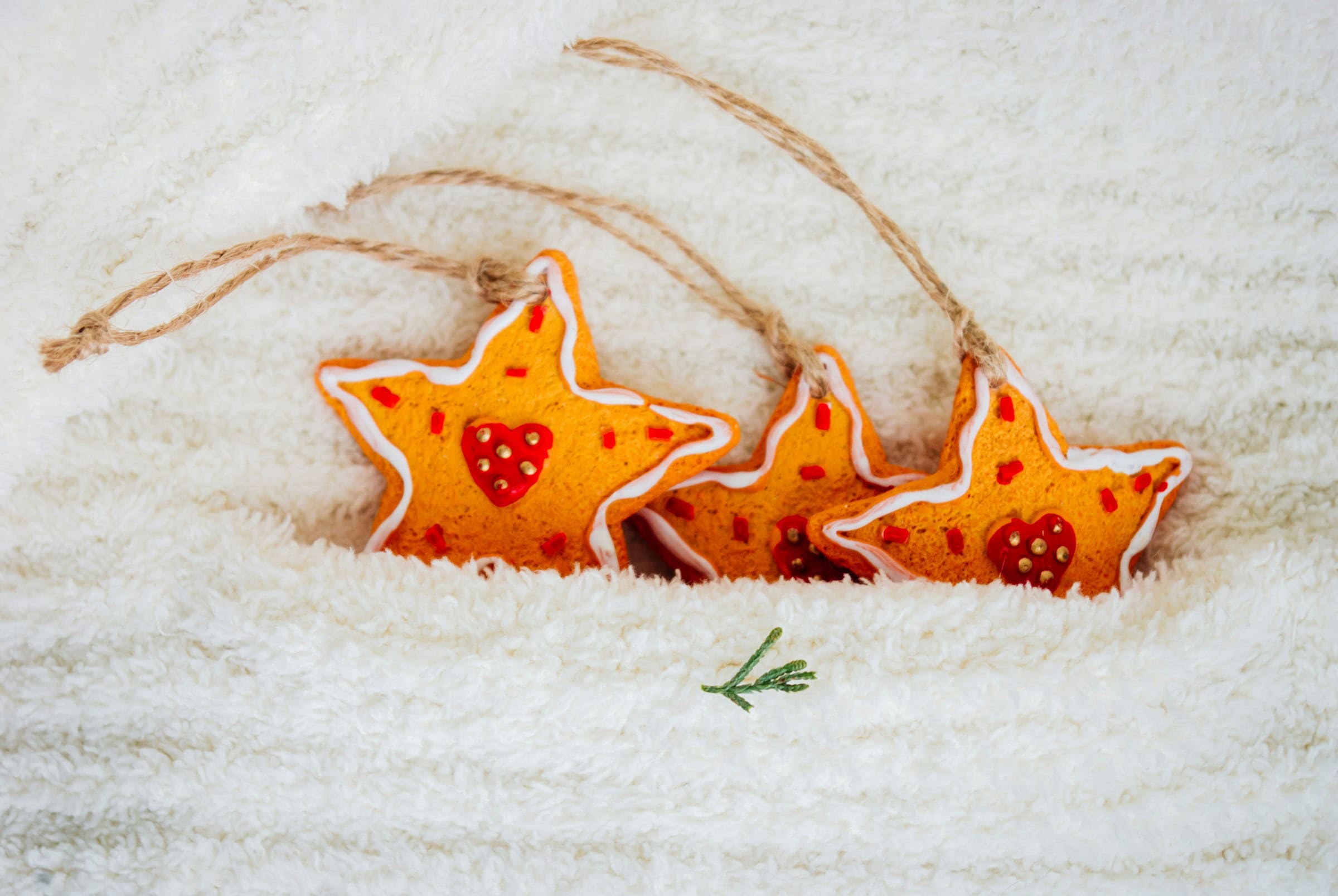
Flour on the counter, cookie cutters out, and a tray of lumpy stars and wreaths going into the oven while the whole kitchen smelled faintly of hot pretzels.
The recipe moved around over the years. Here are three from period magazines and booklets:
| Recipe | Dough | Drying |
|---|---|---|
| Ladies’ Home Journal, 1964 | 4 c. flour, 1 c. salt, 1½ c. water | Not given |
| 1974 | 2 c. flour, 1 c. salt, 1 c. water | 325°F about an hour, or air-dry 48 hours |
| 1981 | Not given | 350°F |
Look at the first two side by side. By 1974 the dough was twice as salty for the same amount of flour.
The 1974 and 1981 recipes end the same way: seal it. “Varnish to protect from moisture,” says one. “For permanence, spray items with clear fixative,” says the other. If a box of ornaments came down from the attic soft or flaking one December, the recipes point to the likely reason: that seal got skipped somewhere along the line.
#10 Felt Christmas stockings with sequin names
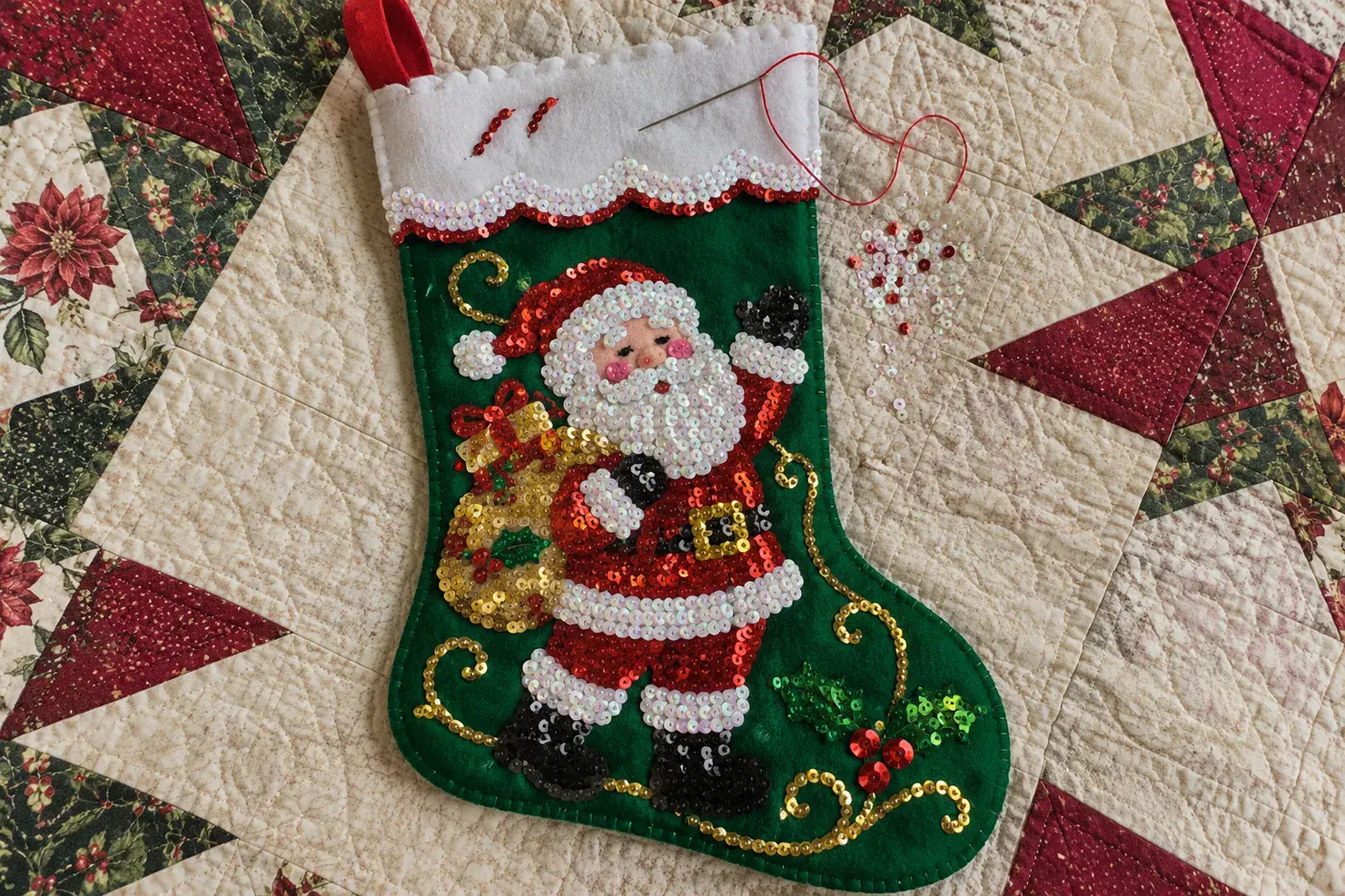
Felt Santas, felt reindeer, and a name across the cuff spelled out sequin by sequin. A stocking like that took evenings, and you can still find the spots where a sequin went on a little crooked.
Plenty of those kits came from Bucilla, which turned to needlework kits in the late 1960s. If yours never got a year written on it, the old box can help. The company changed owners, and its packaging changed with them, according to a history of Bucilla felt kits:
- Hannson Trust owned it from 1966 to 1977
- Armour-Dial owned it from 1977 to 1983
- Boxes from 1971 to 1976 carry the line “An Indian-Head Company” with a New York address
So if the box survived, read the small print. That one line can put your stocking in the first half of the decade.
Bucilla has belonged to Plaid Enterprises since 1996. Keep that name in mind for #8.
#9 Tole-painted milk cans and trays
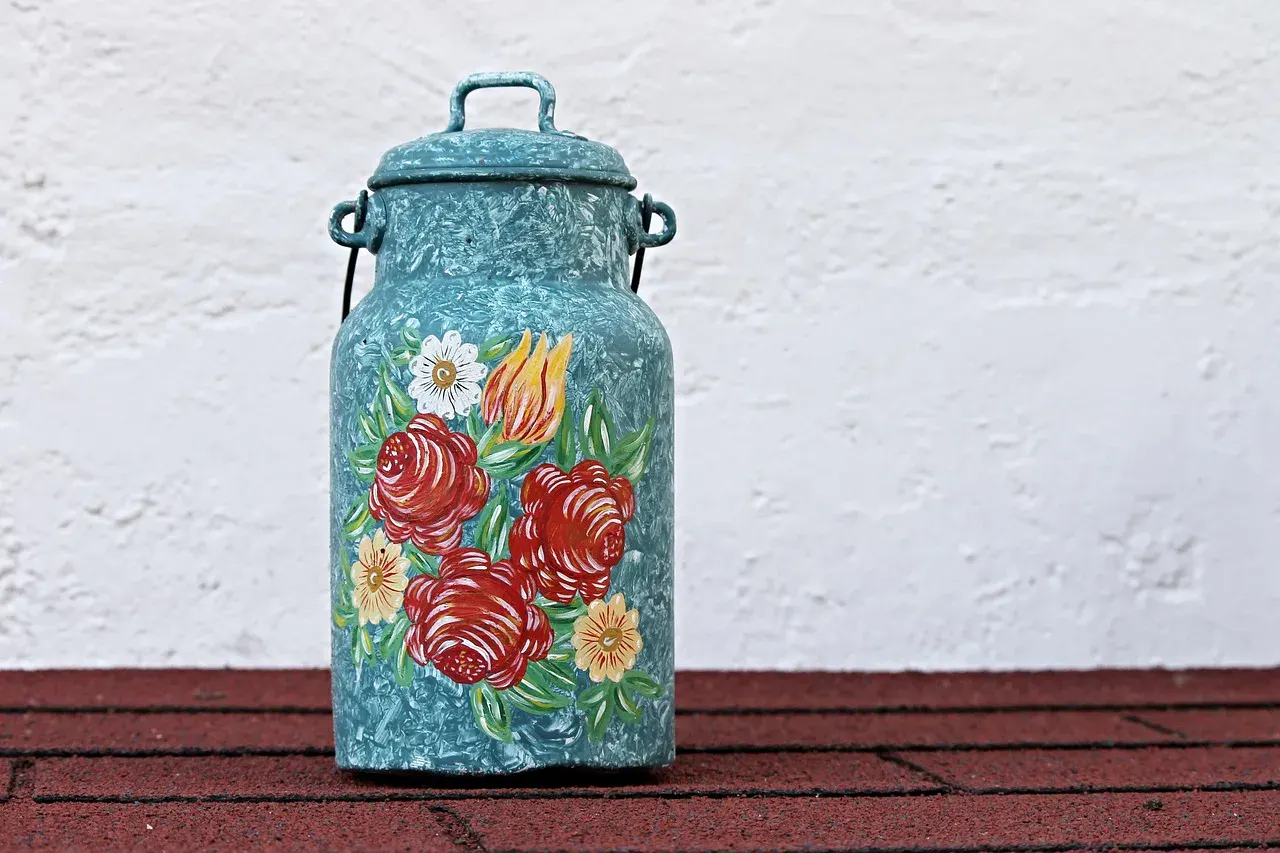
A milk can painted with folk flowers stood by the door, and a black tray with roses hung in the kitchen. Maybe you painted one in a class, with a paper palette and a brush you weren’t allowed to put away wet.
That class probably traces back to Tulsa. Tole painting came back in the 1960s as teachers opened studios across the country, and Priscilla Hauser opened hers in 1968. In 1972 she started the National Society of Tole and Decorative Painters, which later became the Society of Decorative Painters.
That group disbanded in December 2022, after 50 years.
Want to put a decade on an unsigned piece? Dr. Lori, an antiques appraiser who runs a live call-in show on YouTube and gives advice “from my many years in major museums,” offered a clue while looking at an unmarked American teapot:
“I want you to look at the teardrop shape of these orange flower petals. That’s indicative of the 1970s.” Dr. Lori, antiques appraiser
She was talking about painted ceramics, not tin.
#8 Decoupage plaques and lunchbox purses
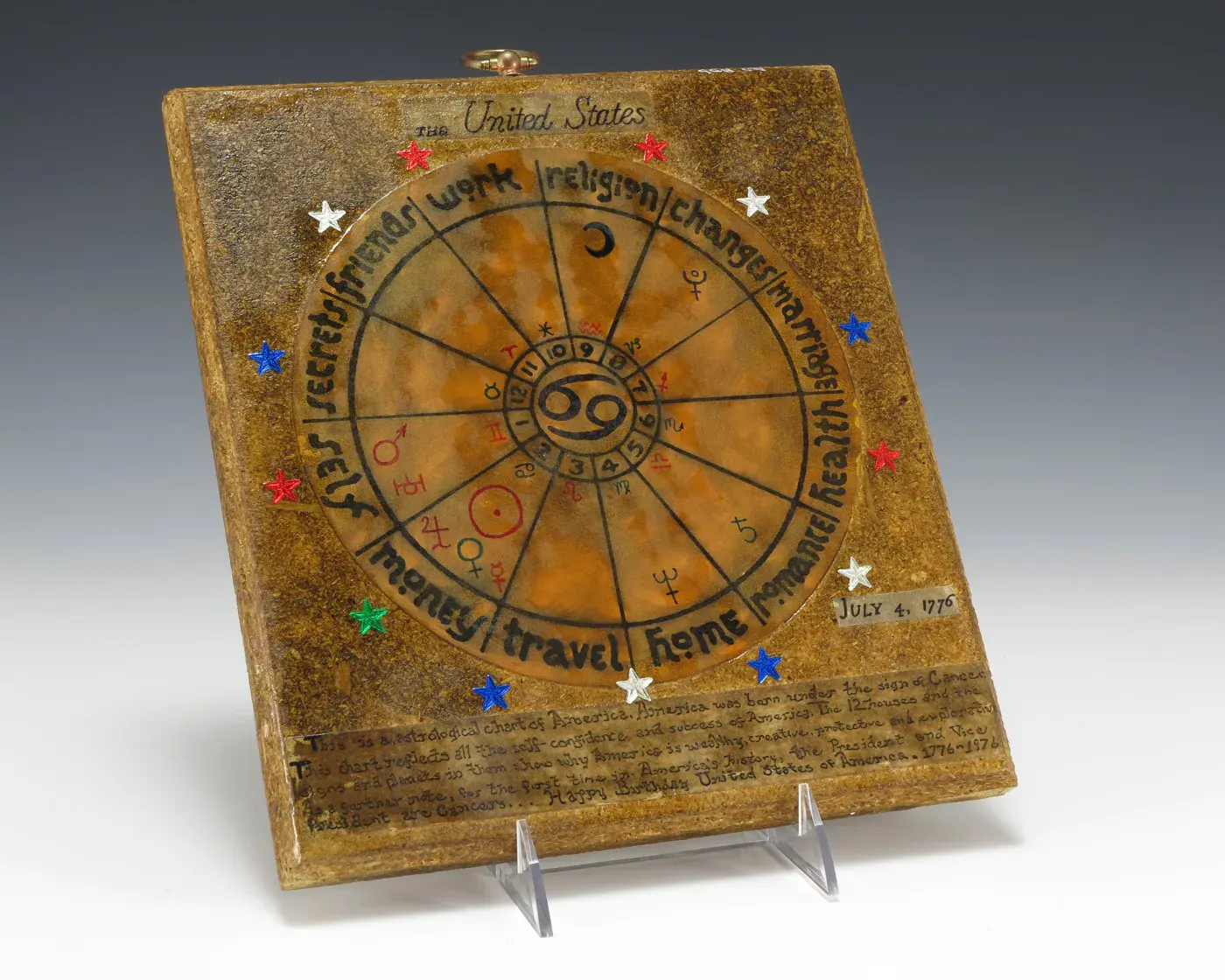
Before 1967, decoupage was slow going. Plaid, which makes Mod Podge today, calls the old way a “time-consuming and labor-intensive process.” Then Atlanta interior designer Jan Wetstone introduced a fast, easy alternative, and suddenly every rec room had a wood plaque with a greeting-card picture glossed onto it.
Yes, that’s the same Plaid that owns Bucilla. The company behind your felt stocking now makes the glue behind your plaque.
The purse was the showpiece: a wooden lunchbox with a brass clasp and a picture sealed on top under coat after coat. Decoupage hit its U.S. peak in the 1960s and early 1970s, and today those purses sell on eBay “often for less than $30 each,” Jessica Kosinski wrote in the Journal of Antiques.
At that price, the best use for one is to carry it.
#7 Bicentennial quilts stitched for 1976
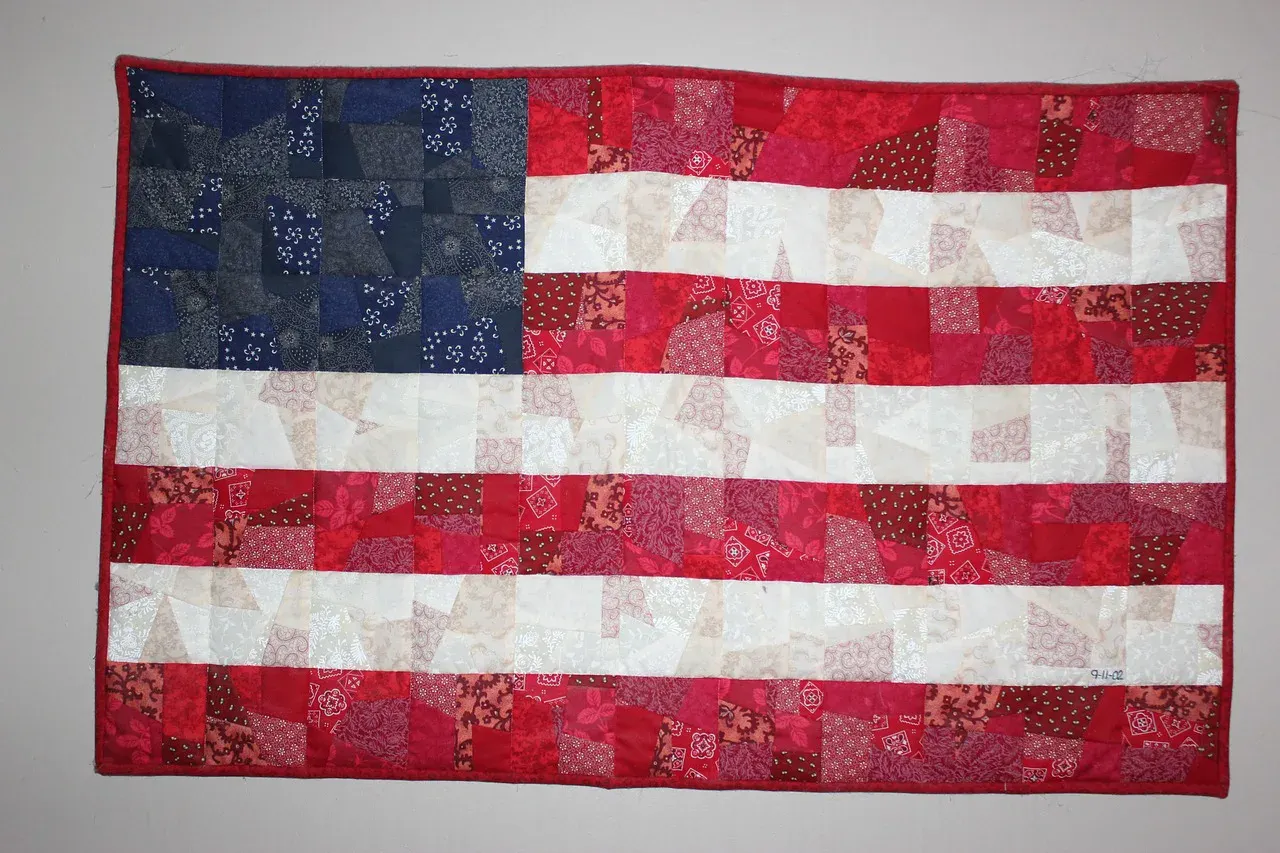
The Bicentennial didn’t start the quilting revival. It poured fuel on a fire that was already going.
On July 1, 1971, the Whitney Museum in New York opened Abstract Design in American Quilts, 61 quilts hung on the walls like paintings. The catalog sold out and the show was extended. That was five years before the red, white and blue rush.
Then the guilds came:
- Ithaca, New York: the Tompkins County Quilters Guild, founded November 12, 1974
- Kansas City: the Quilters Guild of Greater Kansas City, 1975
- Lawrence, Kansas: the Kaw Valley Quilters Guild, 1977
The two Kansas groups were “two of the earliest guilds in the country,” according to the Kansas Historical Society. “A lot of quilts were made at the time of the bicentennial in 1976,” says quilt historian Merikay Waldvogel. “Quilt guilds were formed soon after that.”
The Ithaca guild’s Finger Lakes Bicentennial Quilt Exhibit, in August 1976, hung more than 600 quilts. Out in Calaveras County, California, about 50 women finished a Bicentennial quilt in June 1976 and then formed a guild of their own, the Independence Hall Quilters. Maybe a guild near you started the same way.
If your Bicentennial quilt lives folded on a shelf, the International Quilt Museum says to refold it every two years along new lines, so the same creases don’t take the strain forever.
#6 Bargello needlepoint pillows in zigzags
“It’s freedom and surprise… There’s adventure in it.”
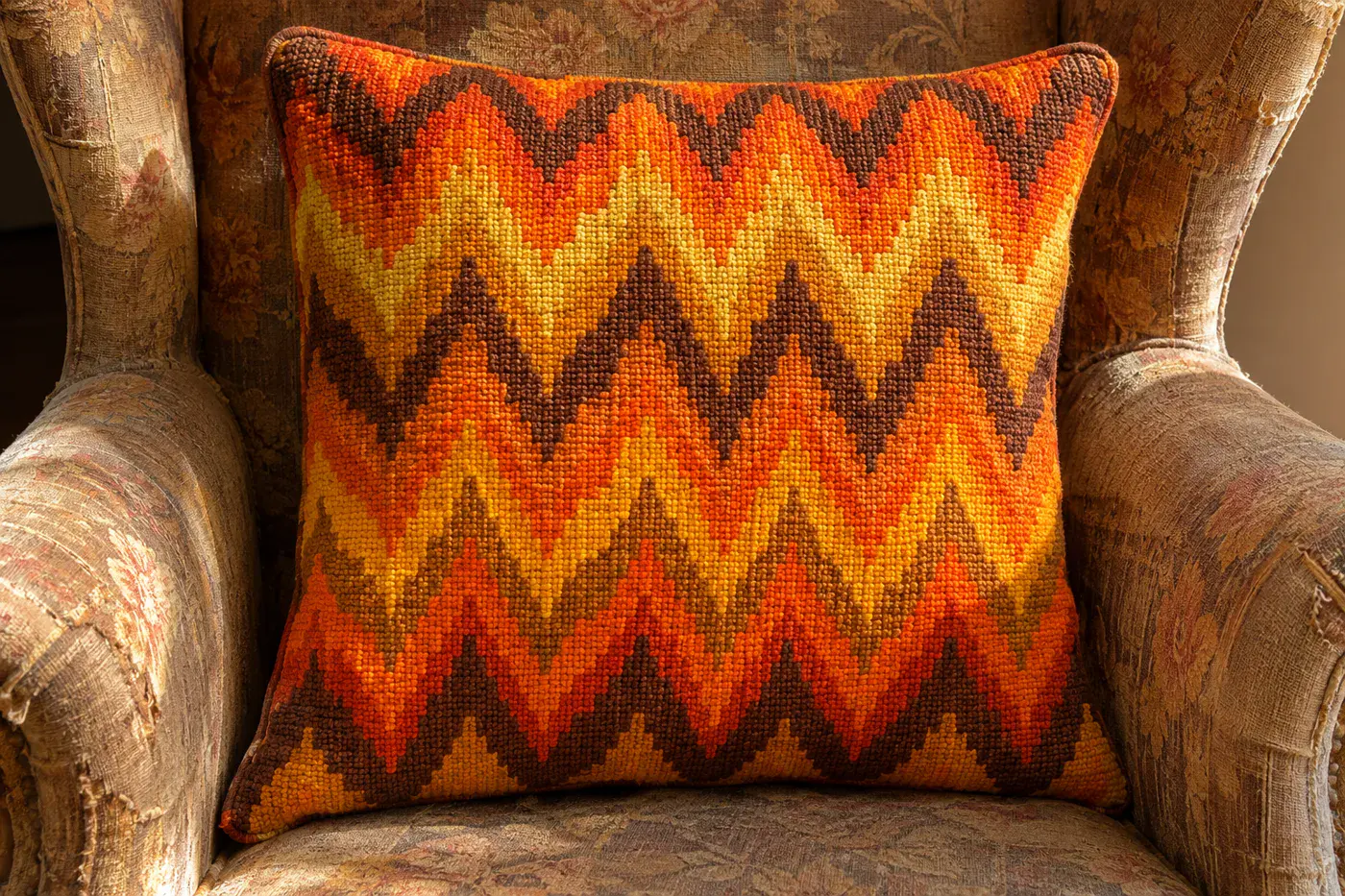
That’s Gigs Stevens, who ran the Eye Squared needlepoint shop in Buffalo, New York, talking about free-form bargello in a 1976 magazine feature. If you stitched those zigzags, you know what she meant. The pattern climbed and dropped across the canvas, and you never quite knew how the colors would land until they did.
The Embroiderers’ Guild of America says bargello came back in the 1960s and 70s because its “geometric, colorful designs resonated with interior décor trends.” The flamestitch pillow matched the shag rug and the striped drapes in a way a rose in a frame never could.
Erica Wilson, who had her own public-TV needlework show, Erica, in 1971 and 1972 and again in 1975 and 1976, summed up why nobody stopped at one pillow:
“It’s like eating peanuts. You can’t stop once you begin.” Erica Wilson, needlework author and TV host
The same 1976 page also shows satin needlepoint designs by Marcia Podell from 1972, so there’s a pattern or two in it you could still chart today.
#5 Resin grape clusters on copper wire
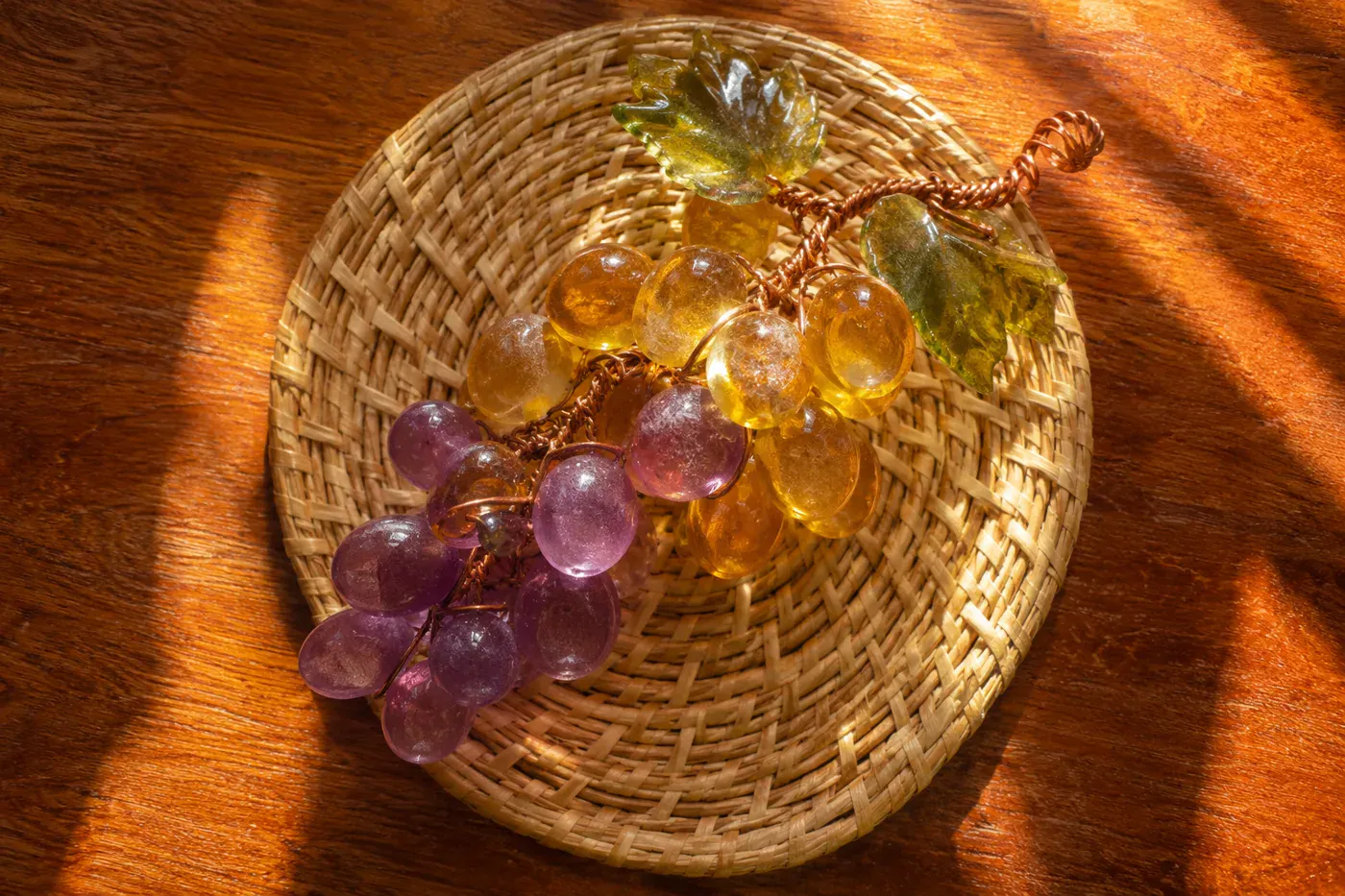
“We had them growing up in the 60’s, a decorative table top piece and a beautiful hanging light to match, ours were blue and green,” Bettina Turner, commenting on an auction blog
The heavy grapes sat on the coffee table, cool and glossy, in purple, amber or blue. Another commenter on the same blog said they were made “with resin, Christmas ornaments and copper wire.” The blog’s own guess is that they started in the 1960s at Mormon Relief Society “Work Day” gatherings.
In 2010, resin clusters sold on eBay for 99 cents to $20. That’s old data, so check recent sold listings before you price a set.
If they make you want to cast resin yourself, take the gloves seriously. A 2026 study of 188 popular YouTube resin how-to videos found creators working bare-handed in 41% of them, and the U.S. Consumer Product Safety Commission’s craft safety guide advises gloves, goggles and good ventilation.
#4 Sewing the family’s clothes from patterns
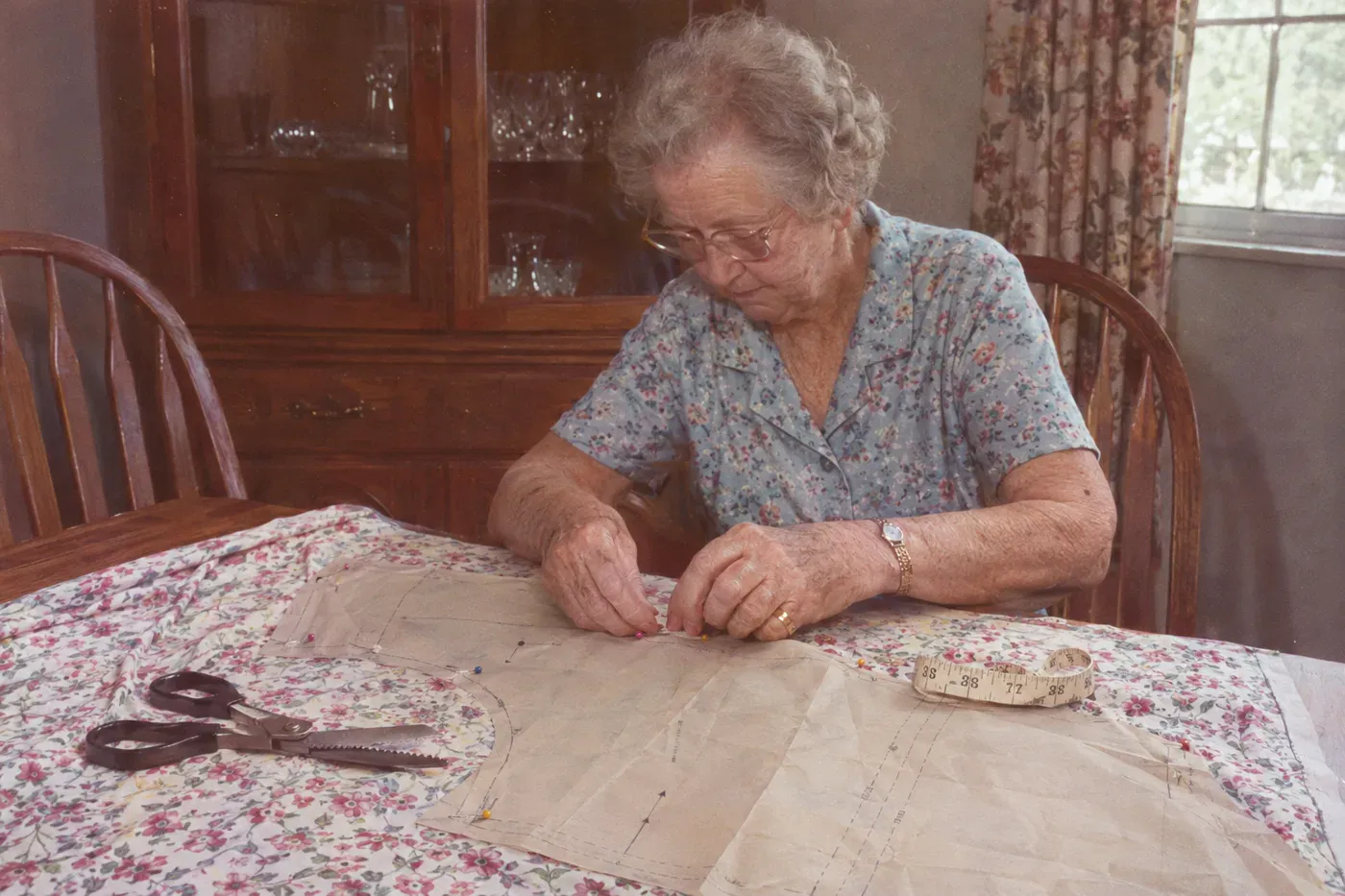
The tissue pattern pinned to fabric on the dining table, the pinking shears, somebody standing on a chair while you marked the hem. In a lot of homes, that’s how school clothes got made.
It was already fading. Judi Ketteler’s Sew Retro puts it at 44 million women and girls sewing in 1974, against 52 million in 1955. That’s about 15% fewer in under 20 years. Home sewing had peaked in 1958, according to the National Women’s History Museum.
Then it fell hard. Simplicity’s income from patterns went from $24 million in 1976 to $9 million in 1980, a drop of more than half in four years. The Baltimore Sun’s explanation: “As more women left the home and moved into the work force, they had less time for sewing.”
Jo-Ann began as the Cleveland Fabric Shop in 1943 and went public in 1969 as Fabri-Centers of America, and it rode out that decline for decades. Its last stores closed on May 30, 2025.
#3 Ceramics-shop greenware on girls’ night out
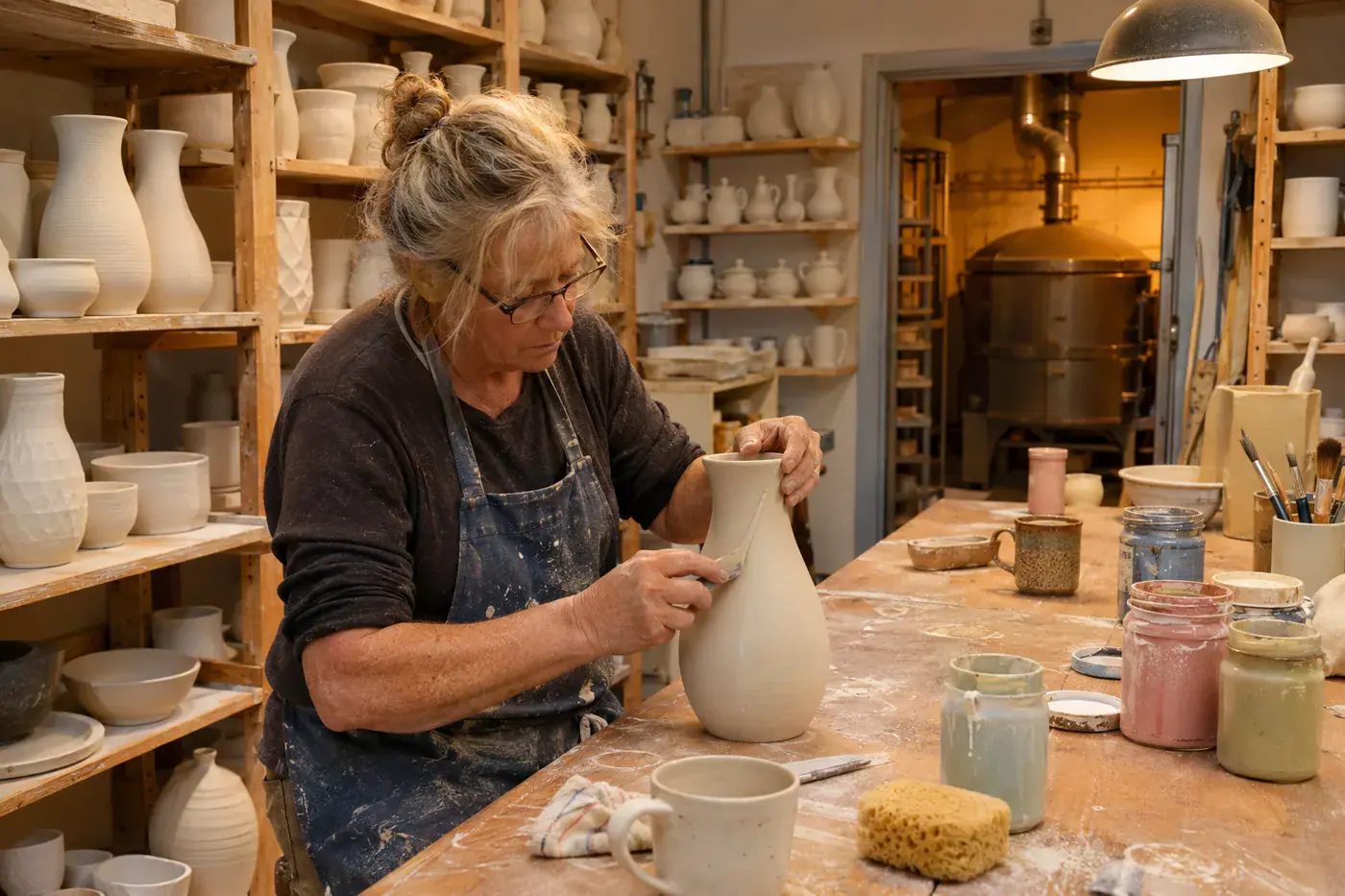
The shelves were lined with chalky white greenware. You picked a piece, scraped the mold seams smooth with a little tool, brushed on glaze, and left it for the kiln.
“In the 1960’s-70’s, every town had a ceramics shop like this,” writes designer Dan Mehlman, “either in a storefront or in the home of a hobbyist-turned-store owner.” The shop did the firing. And the classes became “a regular weekly ‘girls’ night out’.” The coffee was always on, and nobody was really there for the glaze.
Linda Kennett, a consultant who handles downsizing estates, says “literally thousands” of these shops sprang up in the late 1960s. In Mehlman’s view the business crashed as more women went to work.
What came home from those nights was often the ceramic Christmas tree, the one that sat by the avocado green and harvest gold canisters with tiny plastic bulbs glowing. Later 1970s trees used a single bulb inside to light all those little colored pegs.
Now the trap. Atlantic Mold copyrighted the tree design in 1958, so a date stamped on the base may be the mold’s copyright year, not the year your tree was poured. Don’t let “1958” fool you into thinking it’s older than it is.
Of everything here, this is the piece most likely to be worth some money. One value guide puts typical 1970s trees at about $40 to $150, with a white Atlantic Mold tree with blue birds listed at $199.95. Treat those as rough figures, and check that every little bulb is still there before you price yours.
#2 Crewel embroidery pictures gone yellow
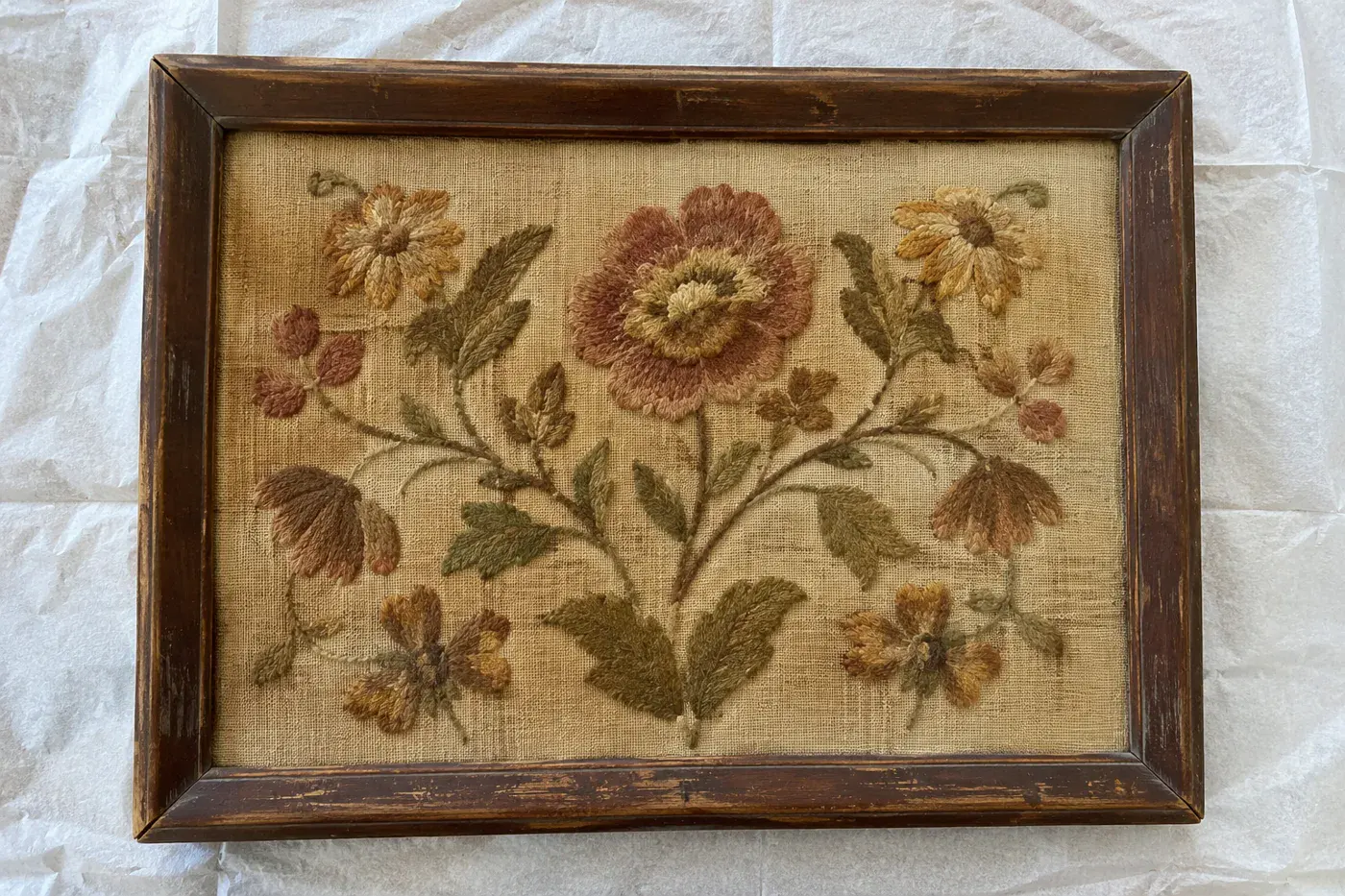
Wool yarn, a linen panel printed with flowers, and a crewel embroidery kit that took a winter to finish. Erica Wilson’s 1962 book Crewel Embroidery had made her “a household name as ‘America’s First Lady of Stitchery’,” and by the 70s these pictures hung in hallways everywhere.
They’re wanted again. “All of these craft pieces are so popular right now,” Dr. Lori, the appraiser from #9, told a caller. “We like the 1970s era colors, of course, those earth tones, which are really, really popular.”
But a lot of these pieces have gone yellow, and the urge is to soak them in the sink. She was blunt about that:
“Don’t put water to it. You will ruin it.” Dr. Lori, antiques appraiser
Her advice instead: “Call your local museum. Ask for a textile curator and ask them to give you a recommendation on who can do restoration on a textile.” A piece only 40 or 50 years old, she says, is easy for a professional to handle.
One thing can trip you up: restoration isn’t cheap. The Smithsonian’s National Museum of American History puts the average textile conservation job at about 10 hours and $1,250 an object, at a Washington, DC, conservator’s rate. So get a quote before you hand it over. For a piece you love that nobody else would buy, the quote decides whether you restore it or simply stop the damage where it is.
Rules for keeping old needlework
- Skip store-bought cleaners and detergents too: Pittsburgh’s Heinz History Center warns these can harm delicate fabrics
- When you reframe, have the framer add spacers so the glass never touches the stitches
- Store it in acid-free tissue, never in plastic bags or plastic totes, which can harm fibers and shift dye colors
Dr. Lori’s reason for those spacers: when fabric sits “right up against the glass, condensation and dirt can get stuck in there.” If yours is pressed flat behind the glass right now, that’s the first thing to fix.
#1 Push-pin sequin ornaments on the tree
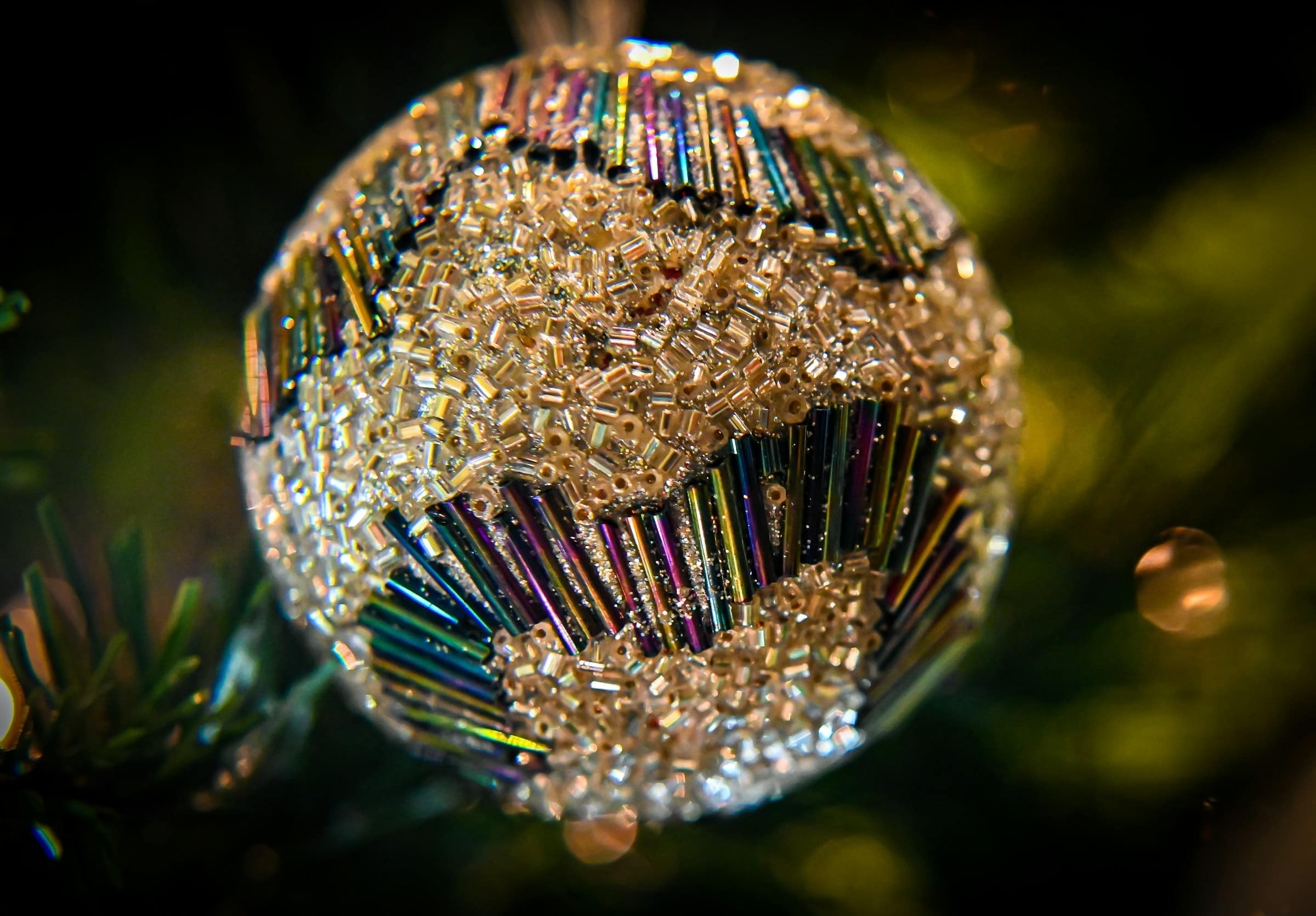
They caught the light like nothing else on the tree: satin balls covered in rows of tiny sequins, each one held by a pin with a bead on top. You may remember how heavy they were on the branch, and the box of a hundred pins on somebody’s lap.
The Elgin History Museum says many people remember “beaded Christmas ornaments… at Grandma’s house,” and “chances are many of these came from kits sold by LeeWards.” LeeWards started in Elgin, Illinois, in 1947 and grew to about 101 stores. Other kits came from Walco, Bucilla and Fibre-Craft.
Here’s how those push pin ornaments were made, step by step, from The Urban Kitten blog:
- Start with a Styrofoam ball, bell, egg or cone.
- Pin a ribbon around the center first, as your guide line.
- Thread a sequin onto a straight pin or a pearl-headed pin, add a bead if you like, and push it in.
- Work outward in rows, sequins and beads overlapping like scales.
- Cover the seams between sections with braid, and pin a hanger at the top.
That’s the whole method, and it’s slower than it sounds. Not everyone went that far. “My stepmother taught me to make push pin ornaments in the 70s. Nothing this elaborate,” one commenter wrote under a video of a fancy one.
Under that same video, six people said a grandmother, great-grandmother or stepmother made these sequin ornaments, and that they still have them or now collect them. A couple admitted their families laughed at them back then as tacky or a passing fad, and wish now they’d seen the skill in every pin.
Finished vintage ornaments typically sell for about $15 to $25 each, with fancier ones bringing more. So a tree’s worth adds up, but no single ball is paying for anything.
One longtime collector doesn’t even pack them away:
“I have been collecting these for years! They are too pretty to put away so I put them in a cloches year round!” Collector, TikTok comment
A glass dome on the hall table in July, full of sequins. Somebody made those one pin at a time.
The bottom line
Kits meant the same owl, the same tree and the same stocking went out to thousands of homes. The pattern in every box was identical. What wasn’t identical was the hands: the knot pulled too tight, the crooked sequin, the extra row of zigzag because she couldn’t stop.
That’s the part no buyer pays for and no listing can tell you. It’s also the part that disappears first, because nobody writes down who made a thing while that person is still in the next room.
So pick the one piece in your house you’d grab first. Ask yourself whether anyone after you would know whose hands made it, and in what year. If the answer is no, slip an index card into its storage tissue with the maker’s name and the year written in pencil.
Bonus: Five checks before you sell, store or hang one
- Before you price anything, search eBay’s sold listings rather than what sellers are asking, since asking prices like the latch hook ones above are the high end.
- Store textiles where you’d be comfortable living: the International Quilt Museum suggests 62 to 72°F and 45 to 55% humidity, which rules out most attics and garages.
- If a piece hangs on a sunny wall, ask your framer about UV-filtering glass, or put film on the window, because the North Carolina Museum of History says faded color cannot be restored.
- To dust a quilt or afghan without washing it, lay tulle netting over it and vacuum through the netting on the lowest suction.
- When you buy acid-free tissue for wool or silk, ask for the unbuffered kind, which is what the Heinz History Center’s conservator specifies.
Questions people also ask
What crafts were popular in the 1970s?
Macramé led the decade, called “the signature craft of the ’70s” in a 1993 look back, with crocheted afghans, needlepoint, crewel and string art close behind. The 1976 Bicentennial set off a “national quiltmaking fad,” and greenware ceramics shops were in what one designer calls “every town.”
Are vintage 1970s craft kits worth anything?
Most aren’t worth much. Sealed 1970s latch hook kits are listed at about $15 to $40, and decoupage lunchbox purses often sell for under $30. Ceramic Christmas trees are the exception, at roughly $40 to $150 for a typical 1970s tree.
How do you clean old crewel embroidery without ruining it?
You don’t wash it. The International Quilt Museum’s answer to washing old textiles is “a resounding ‘no!'”, and appraiser Dr. Lori advises calling a local museum and asking a textile curator to recommend a restorer. For light dust only, vacuum through tulle netting on the lowest setting.
Where did people buy craft kits in the 1970s?
Many came by mail or from craft chains. Herrschners ran its mail-order catalog from Stevens Point, Wisconsin, starting in 1970, LeeWards grew to about 101 stores, and Michaels opened in Dallas in 1973 inside a converted Ben Franklin five-and-dime. Michaels bought LeeWards in 1994.
How do you make push pin sequin ornaments?
Thread a sequin, and a bead if you like, onto a straight pin and push it into a Styrofoam ball, working in overlapping rows. Build it in layers: a ribbon center line first, then sequins and beads, then braid to cover the seams. Finish with a cord or tassel hanger at the top.
Are 1970s crafts coming back?
Granny squares are. A 2020 TikTok of a granny-square copy of a $1,890 designer cardigan drew nearly 4 million views. Needlecraft overall is less common, though: in 2012, 13% of US adults, about 1 in 8, did weaving, crochet, quilting, needlepoint, knitting or sewing.