The craft supplies not worth the money, priced next to what experienced makers buy instead, from a $1.15 skein of floss to a $129 sewing machine tune-up.
You come home with the bag from the craft store and go to put the new skein away. There it is on the shelf already: the same color, bought last spring, its band still crisp.
Nobody overspends on purpose. The money goes out in small, sensible-looking pieces: a set here, a gadget there, a bin to hold them both. The splurge is rarely what hurts.
And the few places where spending more pays you back? They cost less than you might expect. One of them works out to about a penny a yard.
#17 The boxed set of every color
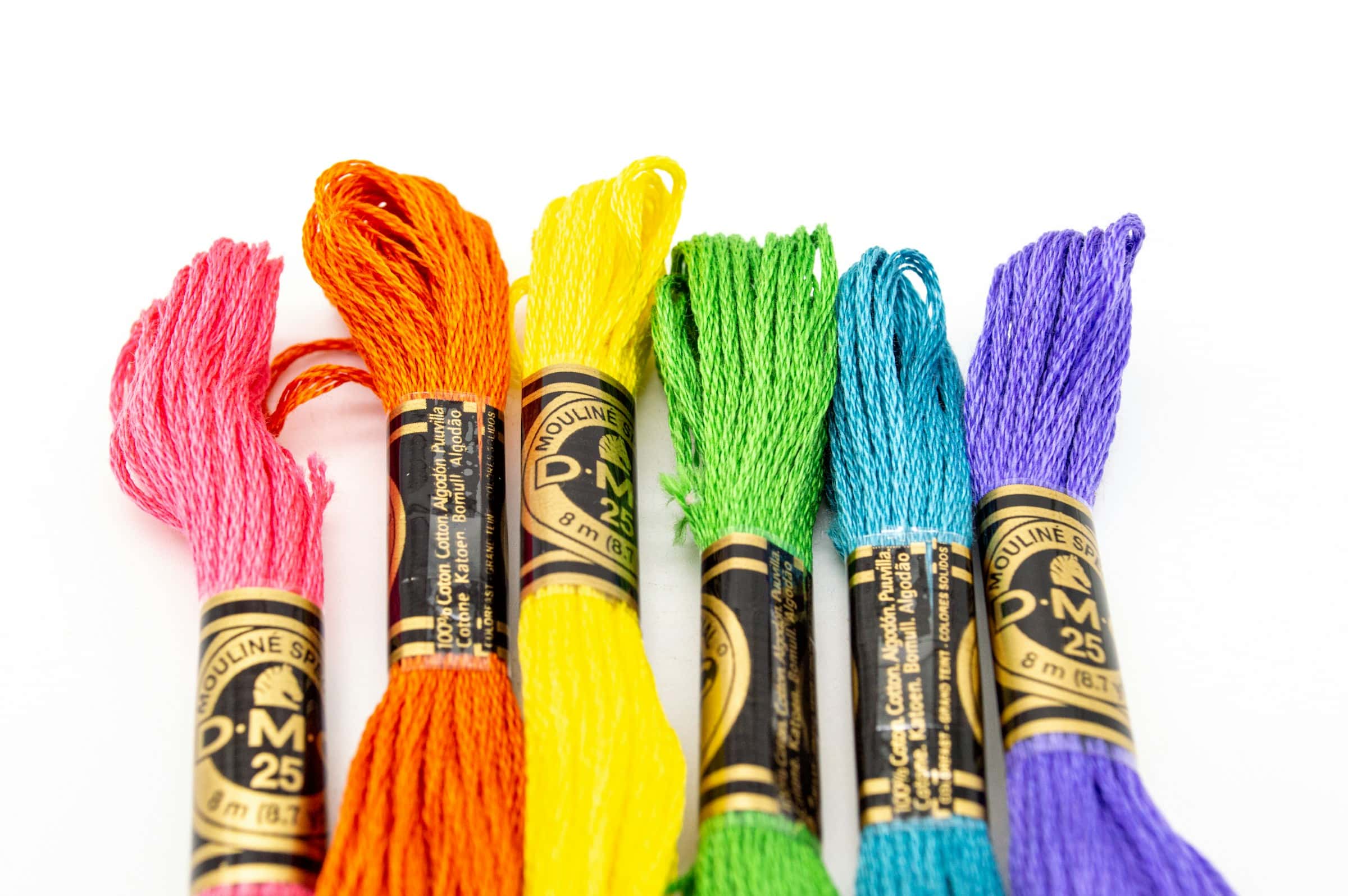
Buy the colors you actually run out of, one skein at a time. DMC sells its standard six-strand floss starting at $1.15 a skein, so five of your go-to colors come to about $5.75.
The boxed collection is where the math gets strange. DMC makes that floss in 502 colors. Every one of them at the starting price would run about $577, and you’d still reach for the same handful: the ecru, the black, the green that works for every leaf.
You’re in good company if a set like that is already in the closet. In a long Reddit thread about supplies people never use, crafters own up to buying one of every floss color, along with yarn bought for its texture and glue that promised a lot.
Specialty floss is where buying single skeins really pays. Color Variations start at $1.69 and Light Effects at $2.97. One skein for the project that needs the shimmer costs far less than a tin of them held in reserve.
The same rule works for paint tubes and markers: most of a boxed set sits unused while you reach for the same few colors.
When a pattern calls for a shade you don’t own, that’s the day to buy it. DMC says it sells a million skeins a day, so it isn’t going to run out.
#16 Storage bins bought before the plan
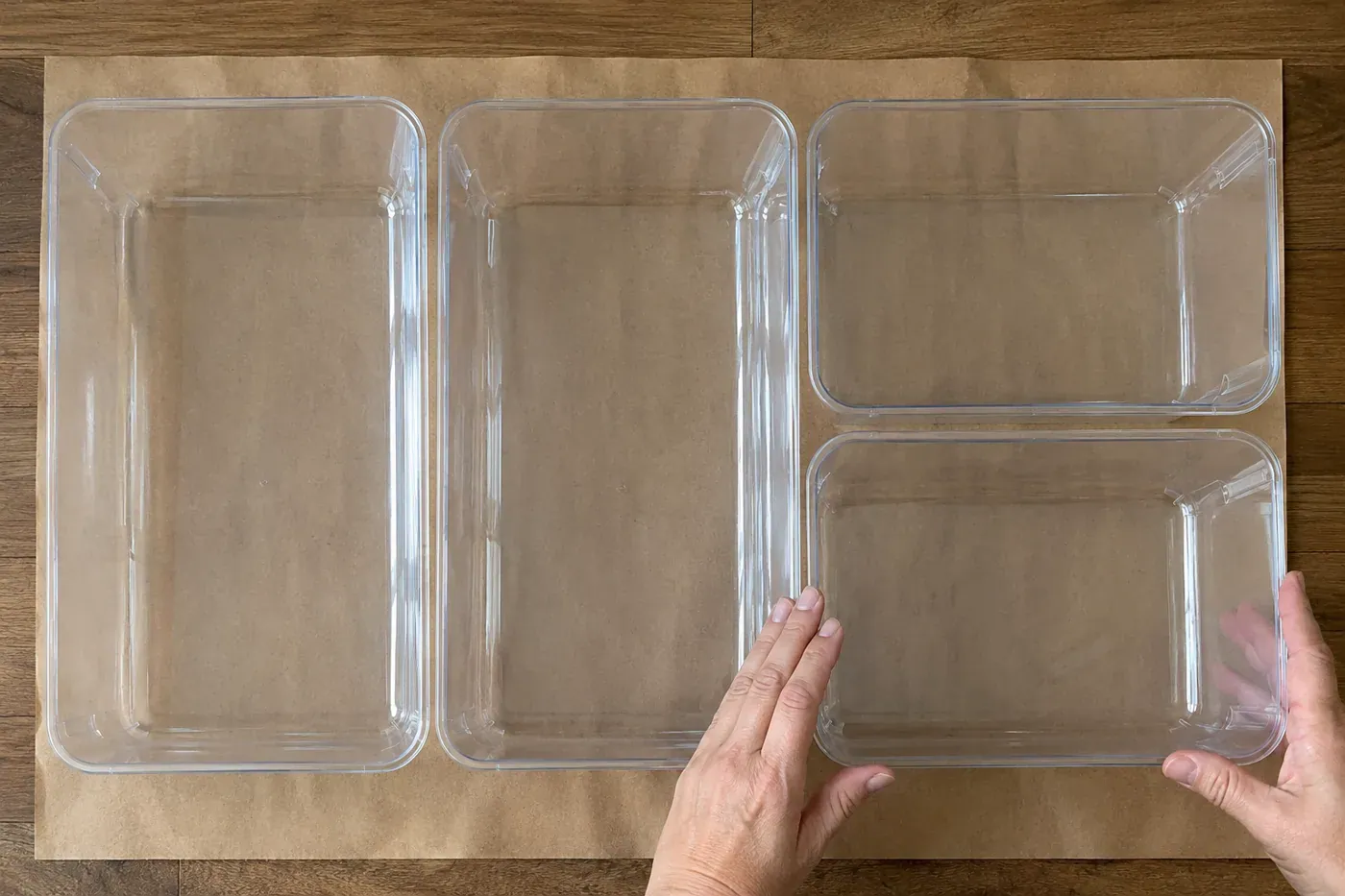
Before you buy one more clear box, cut a sheet of wrapping paper to the exact size of the shelf or drawer it’s meant for. Take the paper to the store, lay the containers on it, and buy only what fits.
That’s the trick professional organizer Cas Aarssen teaches, because, in her words, “we are buying containers and storage solutions to fit the SPACE, not the STUFF.”
Bins are sneaky because they feel like the cure. In that same Reddit thread, storage containers turn up on the list of things crafters overbuy.
Elisa, who blogs as ScrappyWife, has set up craft spaces in an apartment cabinet, a closet, a bedroom and a full basement. She sees the same pattern every time: people “store things where it fits and not really where it needs to belong in order to create.”
Her fix comes before the tape measure does. Decide what you actually do in that corner. Cutting at the counter? Hand piecing in the chair by the window? Then buy for that.
Plain bins belong at a general discount or home store. Elisa only spends more on an adjustable system when a space is small and awkward and has to change as her crafts change. In her case, it let her keep supplies she would otherwise have had to give up.
Fold the paper template into your purse. It weighs nothing.
#15 The Cricut still in its box
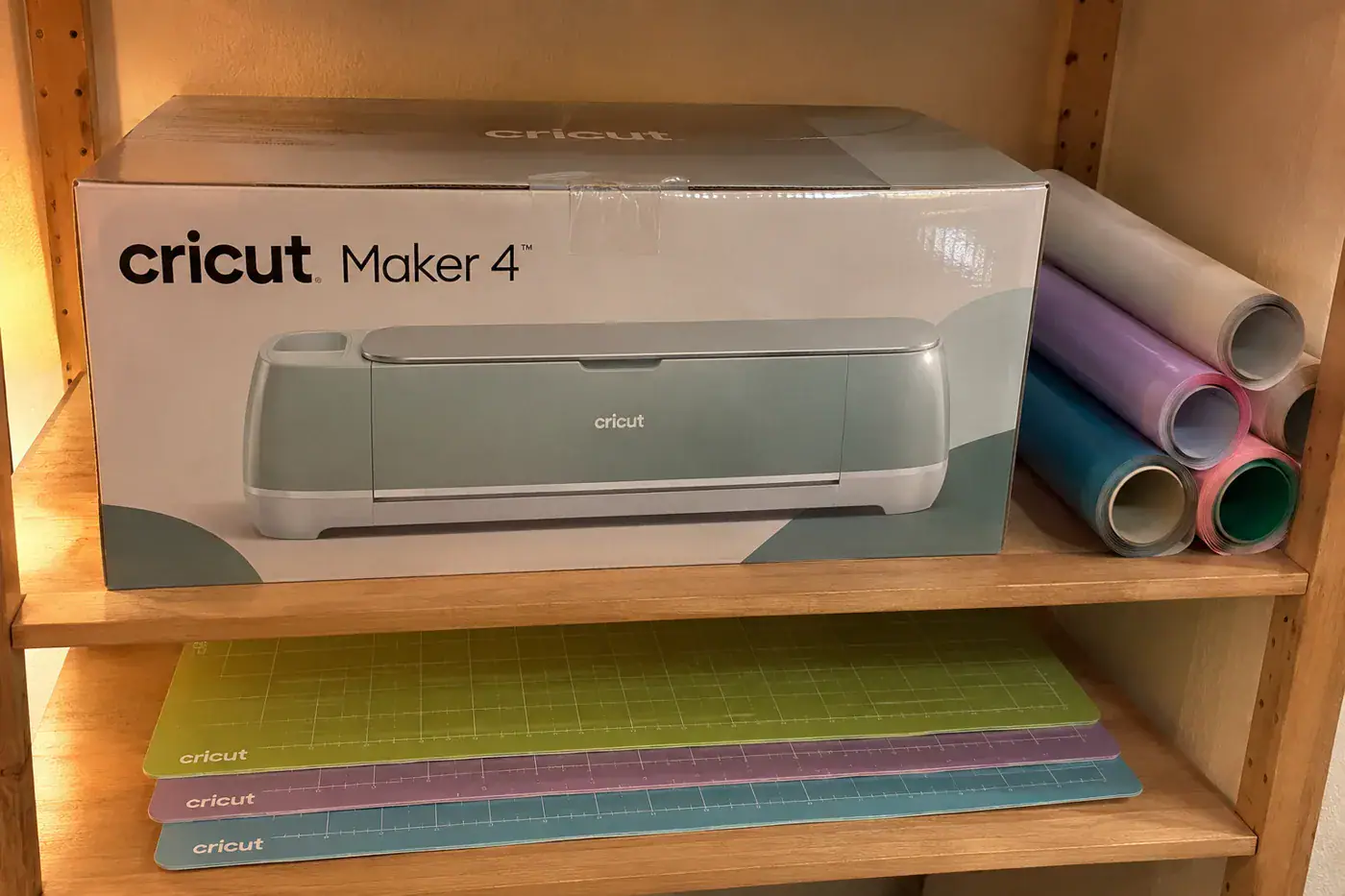
Cricut’s own site lists the Cricut Maker 4 at $379, down from $399, or $341.10 if you pay for its Cricut Access membership.
That’s only the sticker. A Premium Fine-Point replacement blade lists at $14.99, and Cricut had it on sale for $7.49. That’s before the mats, and before the vinyl, iron-on or cardstock you feed it.
Planning to knock the price down with a 40% coupon at the craft store? Michaels coupons exclude Cricut products, along with clearance items and custom framing, according to The Krazy Coupon Lady’s 2024 coupon guide.
If you already own one, here’s some good news. The free Design Space software comes with more than 3,000 images and more than 100 fonts, so you don’t need the paid membership just to start cutting.
A cutting machine pays for itself when you use it often, for appliqué shapes, cards for a group or names on a stack of tote bags. It doesn’t pay while it waits for the right project.
Still deciding? Ask your library whether it has one you can use in the building. Harris County Public Library in Texas, for one, lets you use its Cricuts free after a free orientation class, as long as you bring your own materials. A few sessions there will tell you more than any unboxing video, and it’s the opposite of an impulse buy.
#14 Clearance yarn with no project
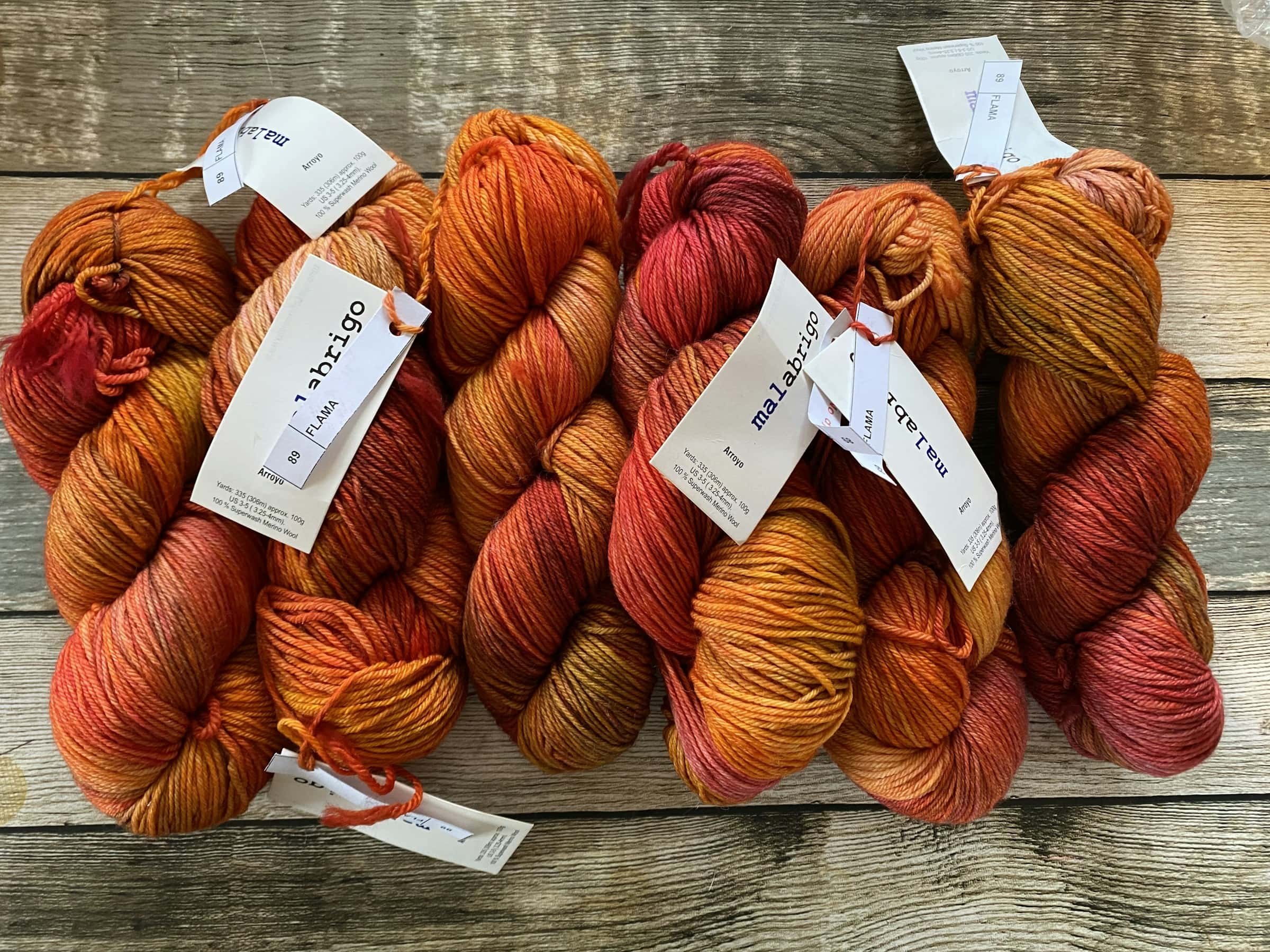
The basket at the register holds four skeins of something gorgeous at half off, and the math in your head says that’s a sweater. Usually it isn’t.
Lion Brand’s yardage chart says an adult sweater in worsted weight takes 1,125 to 1,625 yards. Finer yarns need far more, up to 3,375 yards for the lightest weight.
Before you pay, turn a band over and multiply its yardage by the number of skeins in the basket. Then compare the total to what that yarn could really make:
A hat: 30 to 60 yards in the heaviest yarns, up to 250 to 325 yards in the lightest
A scarf: 125 to 200 yards, up to 525 to 825 yards
A worsted sweater: 1,125 to 1,625 yards
A short stack of sale skeins is often a hat or a scarf with some left over. That’s a fine buy if you wanted a hat.
Knitting writer Linda Hartley says it plainly: “A bargain is only a bargain if I will actually enjoy using the yarn for future projects.” She adds, “Often we are buying potential too.”
Her fix is a wish list of yarns for projects you’ve already planned. Then a sale only gets your money when it matches something on the list.
Both kinds of yarn love are real, and only one of them ends with a finished hat. A crafter on Reddit’s r/crafts said it in nine words:
“Collecting yarn and using yarn are two different hobbies.”
#13 Craft gifts and kids’ kits that miss
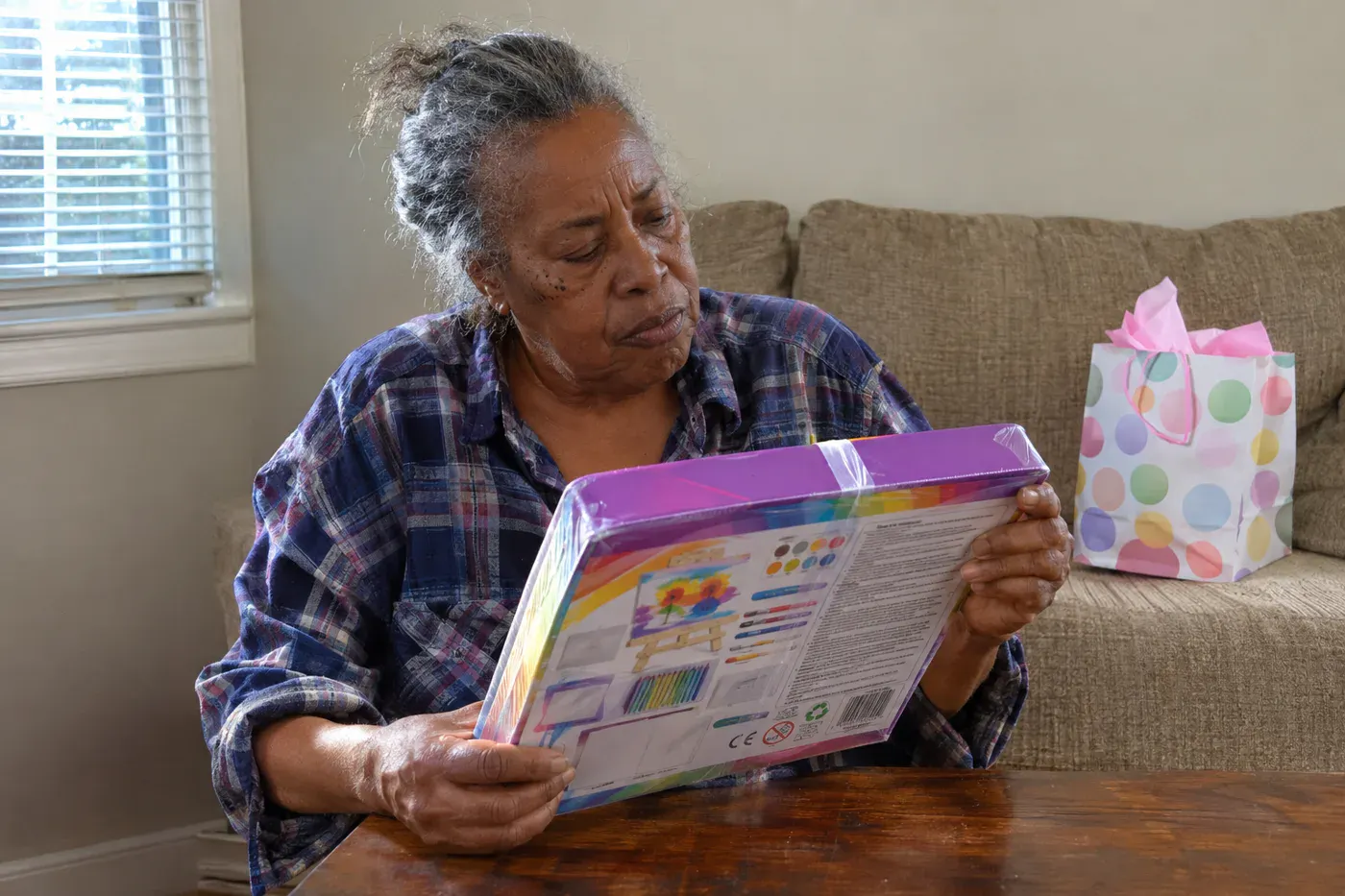
“My MIL is amazing…she asks for a link to the exact item.” One crafter posted that about their mother-in-law in a Reddit crafters’ group, in a thread about mismatched gifts.
People in that thread listed the gifts that missed:
Sweater quantities of scratchy yarn
Light-up crochet hooks given to a knitter
A beginner jewelry book for someone with 15 years at it
A huge cross-stitch kit for someone who doesn’t stitch
Sierra Yarn’s gift guide puts it neatly: “Twenty balls of scratchy acrylic is not twenty gifts. It is one storage problem.“
So when someone asks what you’d like, send the link. Knitwear designer Sandi Rosner points out that “most people are happy to tell you what they would like to receive.” A gift-giver who really wants to know is usually relieved to get an answer.
It works in the other direction too. If you buy art kits for a child, turn the box over first. The Art & Creative Materials Institute, which certifies art supplies, says to look for the AP Seal on products for kids in sixth grade or younger. It also says never to give a child that age a product with the CL Seal, which is meant for older kids.
Before you click “buy” on a kit
A full-size colored pencil runs about 7 inches. Target’s Prismacolor listing gives that length, so check the listing’s measurement, not the photo.
Crafters on Reddit describe pencils half the length the box suggests, with “mini” showing up only in the online listing.
The FTC banned fake and AI-written reviews in 2024. A ban doesn’t promise every five-star rating is honest, so read the piece count yourself.
#12 Bargain scissors instead of one sharp pair
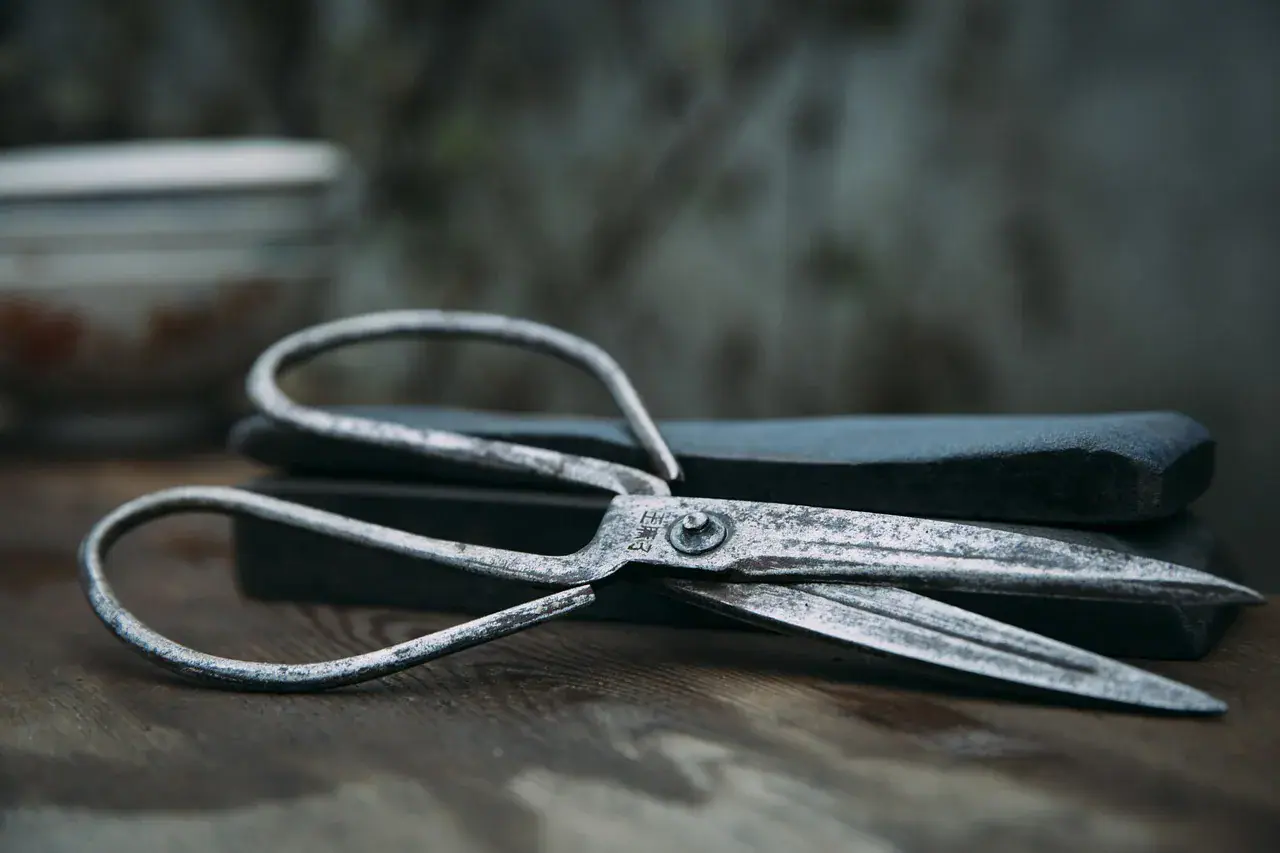
Before you replace the good shears, find a sharpener. A local shop like Electric City Sharpening charges $7 a pair for fabric scissors and pinking shears, dropped off in person. With no sharpener nearby, Modern Shears advertises mail-in sharpening at $39 a shear, shipping both ways included.
For comparison, 8-inch Gingher dressmaker shears sell for roughly $32 to $60 at retailers such as OnlineFabricStore and Mood Fabrics. So the $7 local job is the clear win, and you keep the pair that already fits your hand. By mail, sharpening makes sense for good shears, not bargain ones. Call ahead and ask what they’ll take. A shop can tell you whether a cheap pair is worth the fee or belongs in the paper drawer.
When quilters on Reddit argued over what a budget setup really needs, sharp scissors were one of only two things they agreed were worth paying for. The other is coming up at #3.
#11 Knitting needles bought one pair at a time
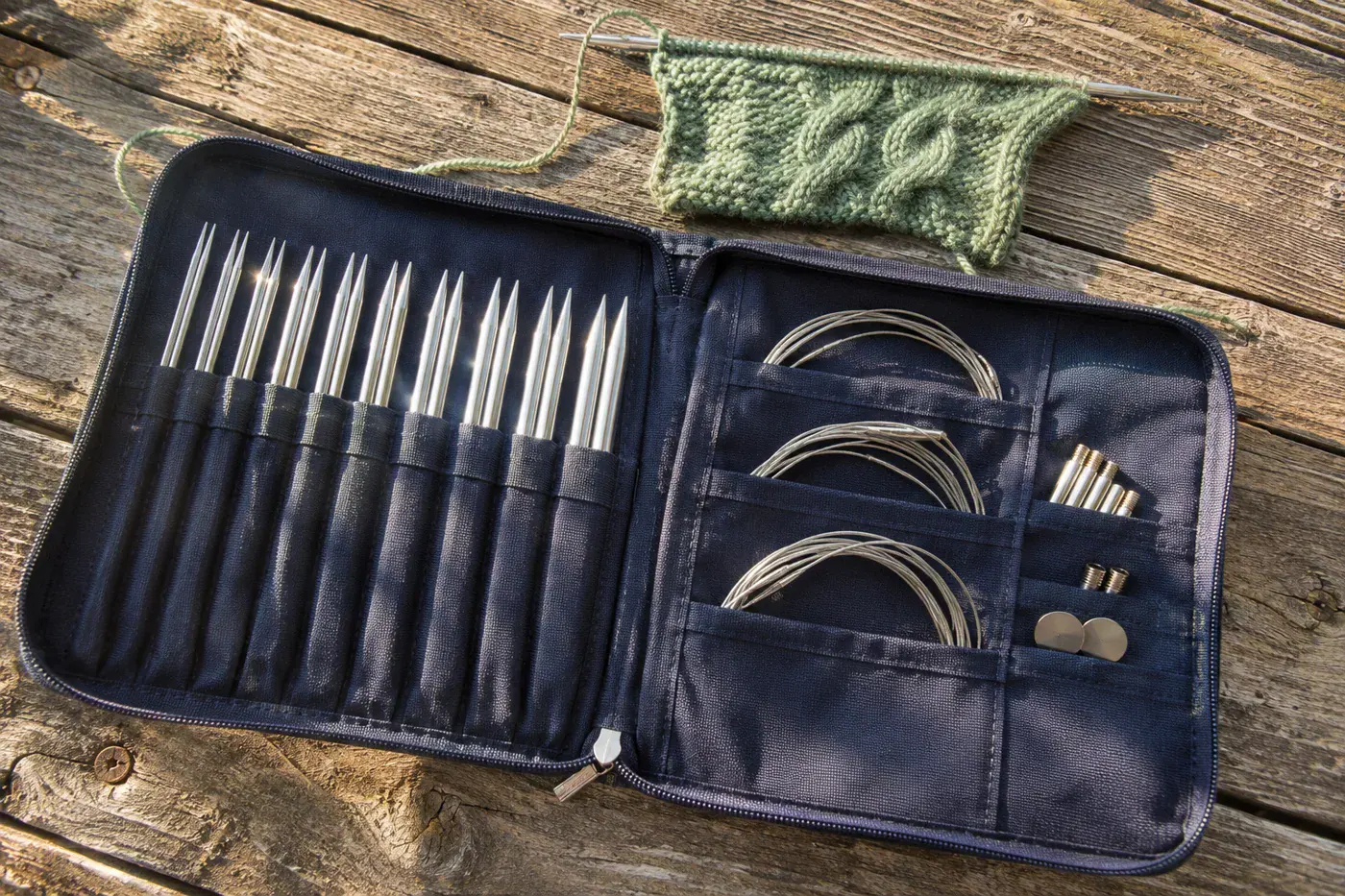
The usual advice is “just get the interchangeable set.” It’s mostly right, but check the price before you take it.
Nimble Needles’ 2025 review compared average Amazon prices for the popular sets:
| Set | Price | Per needle |
|---|---|---|
| Knitter’s Pride Nova Platina Deluxe | about $69 | about $7.69 |
| ChiaoGoo Twist Red Lace, 5 inch | $155 to $165 | about $12.30 |
| HiyaHiya, 5 inch | $153 to $164.49 | not given |
The reviewer says one case “may give you up to 500 different combinations” and that sets are often cheaper than single needles over time, “but these sets ARE expensive.”
Who should skip it: if you knit the same few things on two or three sizes, single pairs are still the cheaper buy. A set pays when you keep running to the shop for a 24-inch size 6 halfway through a project.
If you want the set without the sticker shock, the Knitter’s Pride case costs less than half what the other two do. Outside North America, that brand is sold as KnitPro.
#10 The crochet gadget drawer, yarn bowl included
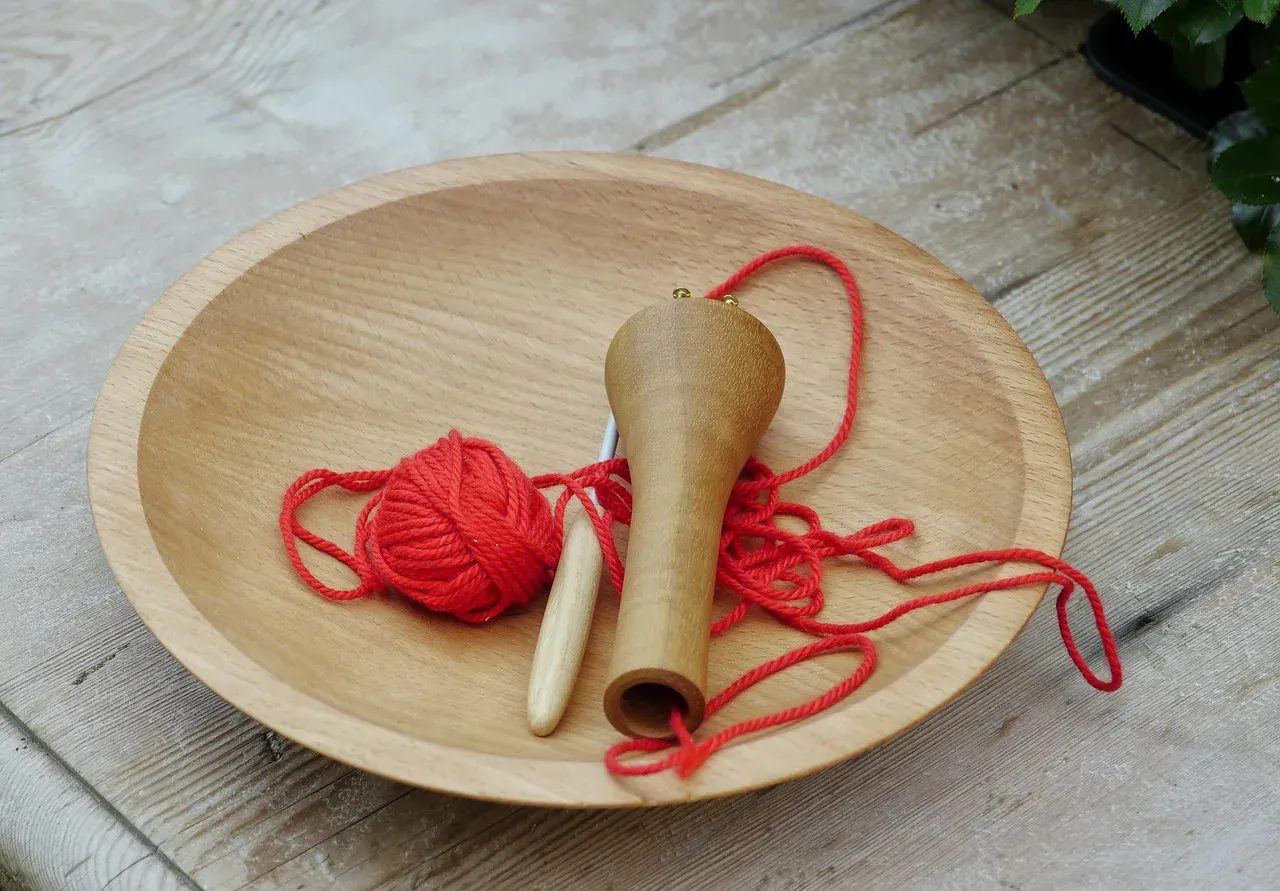
Naoko has crocheted for about 12 years, and her TikTok on the gadgets she wouldn’t buy again reads like a list of craft supplies to skip.
Her 3D-printed yarn bowl had rough edges that snagged her yarn. “If I were to get another yarn bowl, I would definitely get a wood one,” she says.
Her yarn winder? “I very rarely ever touch this.” The tension ring and the light-up hooks made her list too. So did amigurumi stuffing sticks, since the needles she already owned did the same job.
Designer Elise Rose went further and gave the Lighted Crochet Hook Set zero stars at $19.54. She found it cheaply made, with a weak light and a very narrow hook neck. The $33.99 Prym Big Sully got two stars from her, and Susan Bates cushion grips got one and a half.
Ashley Parker at The Loopy Lamb lists what to use instead, and you probably own all of it:
Tension ring: let the yarn glide through your fingers
Light-up hook: a proper lamp
Gauge tool: a regular ruler or tape measure
Row counter: paper and a pen
Pricey yarn bowl: a project bag
That last one makes sense once you’ve had a bowl too small for your favorite skein. Next time a gadget shows up in your feed, see whether something in your kitchen drawer already does its job.
#9 The cheapest canvas boards in the bin
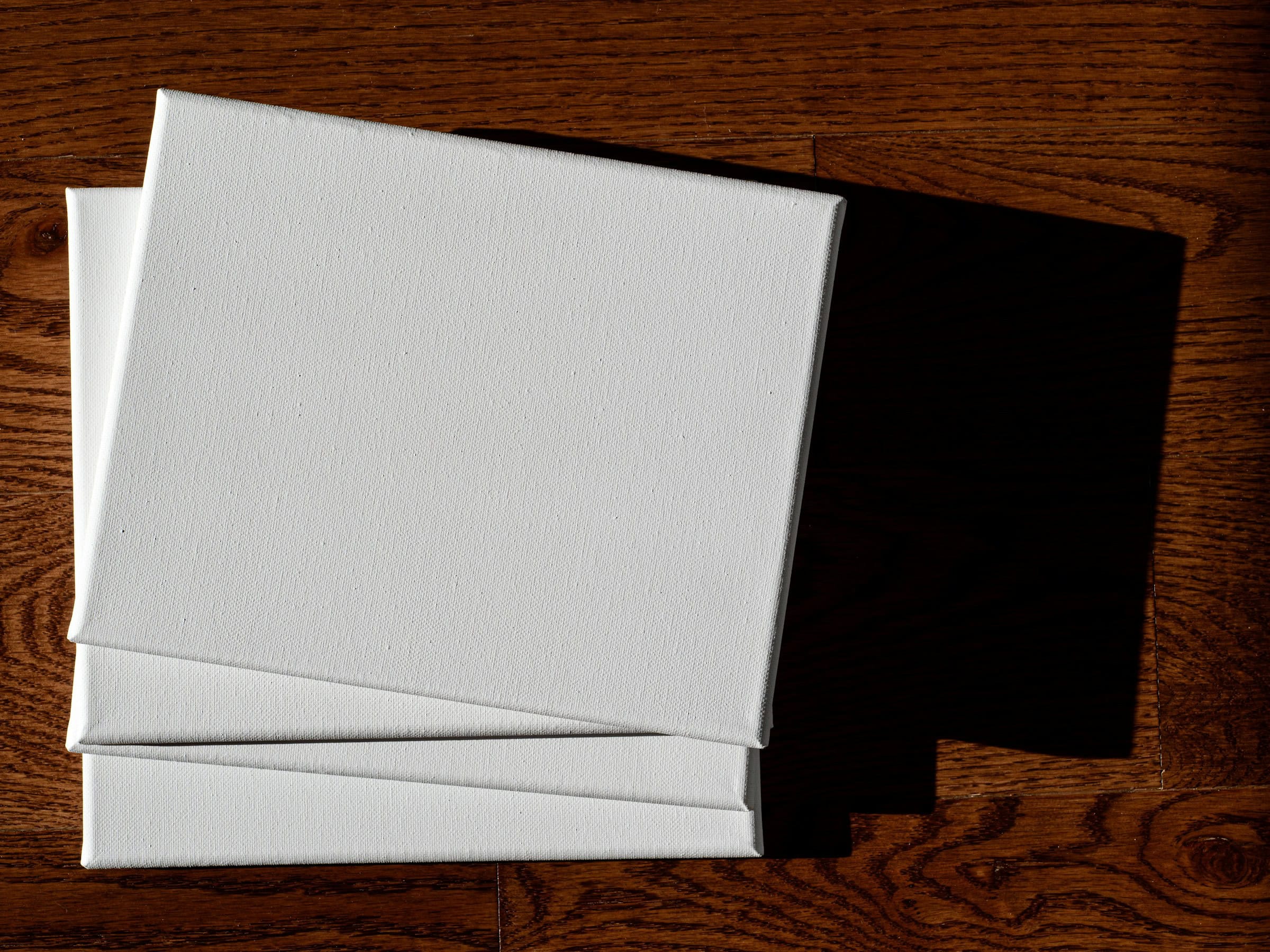
The price gap is real. FinanceBuzz’s 2026 comparison found Dollar Tree canvas 3-packs at about 42 cents a board, against about $1.50 each in a Michaels 12-pack.
For small studies and color tests, the cheap board is fine. The trouble starts when you want to keep the painting.
Rae, an artist who says she has tested hundreds of supplies, warns in her video on what not to buy that the very cheapest canvases often aren’t primed.
Warping is the other problem. Draw and Paint for Fun explains that acrylic paint shrinks a little as it dries, and that pull can bend the board. Larger panels warp more than small ones.
Flip the board over before you buy. A plain cardboard back is the kind the guide calls prone to warping. Keep those for practice, buy the bigger pieces somewhere sturdier, and store all of them flat. A stack leaned against the wall will slowly bend.
#8 New yardage when a thrift sheet would do
A bed sheet at a Goodwill in the Charlotte area costs $2.99 for the whole thing. Check the tag to confirm it’s 100% cotton before you buy. A quilting blog’s first-quilt budget puts new fabric at about $9 a yard.
For the back of a quilt you’ll wash and use hard, that’s a very easy decision.
Becky Jorgensen of Patchwork Posse uses sheets as quilt backs with a few conditions:
100% cotton, with a moderate (not extremely high) thread count
Prewashed before it goes near your top
Checked for thin spots
Sewn with a fresh needle
She uses sheets for utility quilts, not heirlooms. That’s the real limit. A sheet that has spent ten years on someone’s bed won’t last as long as new quilting cotton.
Thrift prices vary, too. That $2.99 is one Goodwill’s list, and specialty and outlet stores price differently. If the fiber tag has been cut off, you can’t confirm it’s all cotton, so leave it on the rack.
#7 A drawer full of specialty quilting rulers
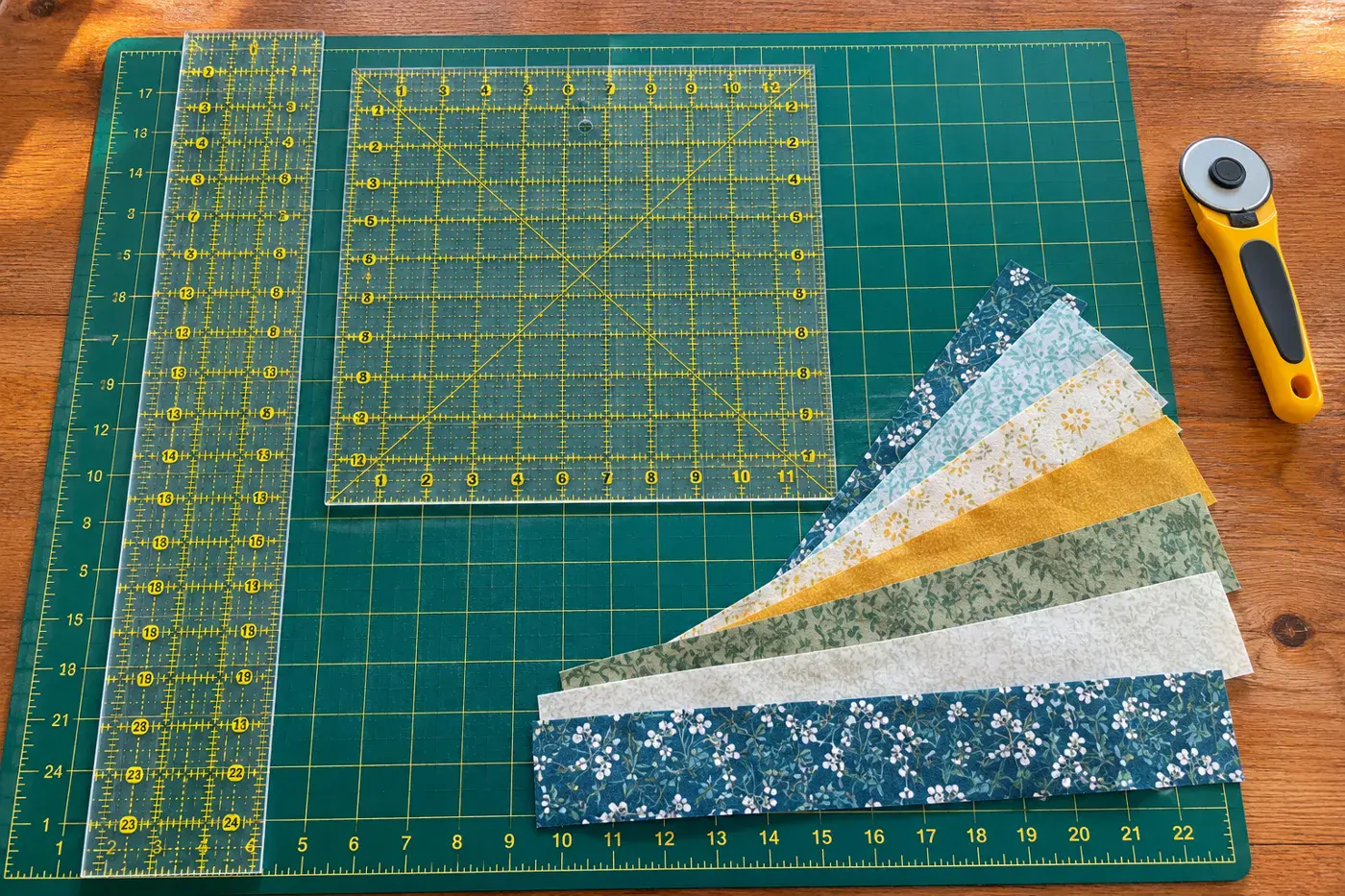
Two rulers do most of the work. Linda’s Electric Quilters says to start with a 6-by-24-inch strip ruler and a 12.5-inch square, because “these two rulers cover the majority of all quilting cutting tasks.”
At Fat Quarter Shop, the Creative Grids 6.5 by 24.5 inch strip ruler costs $38.49. Its 12.5-inch square costs $38.99, so the pair comes to $77.48. Those are the two rulers worth spending more on.
Look at what’s in the drawer now: the one for that star block, the one from the retreat, the one you bought because the pattern said to. Most of them did one job once.
“The majority” isn’t everything. If you make the same block every month and its ruler saves you an hour, keep it. The rest can go to someone who’s just starting out.
#6 Quilts and paintings stored in cardboard
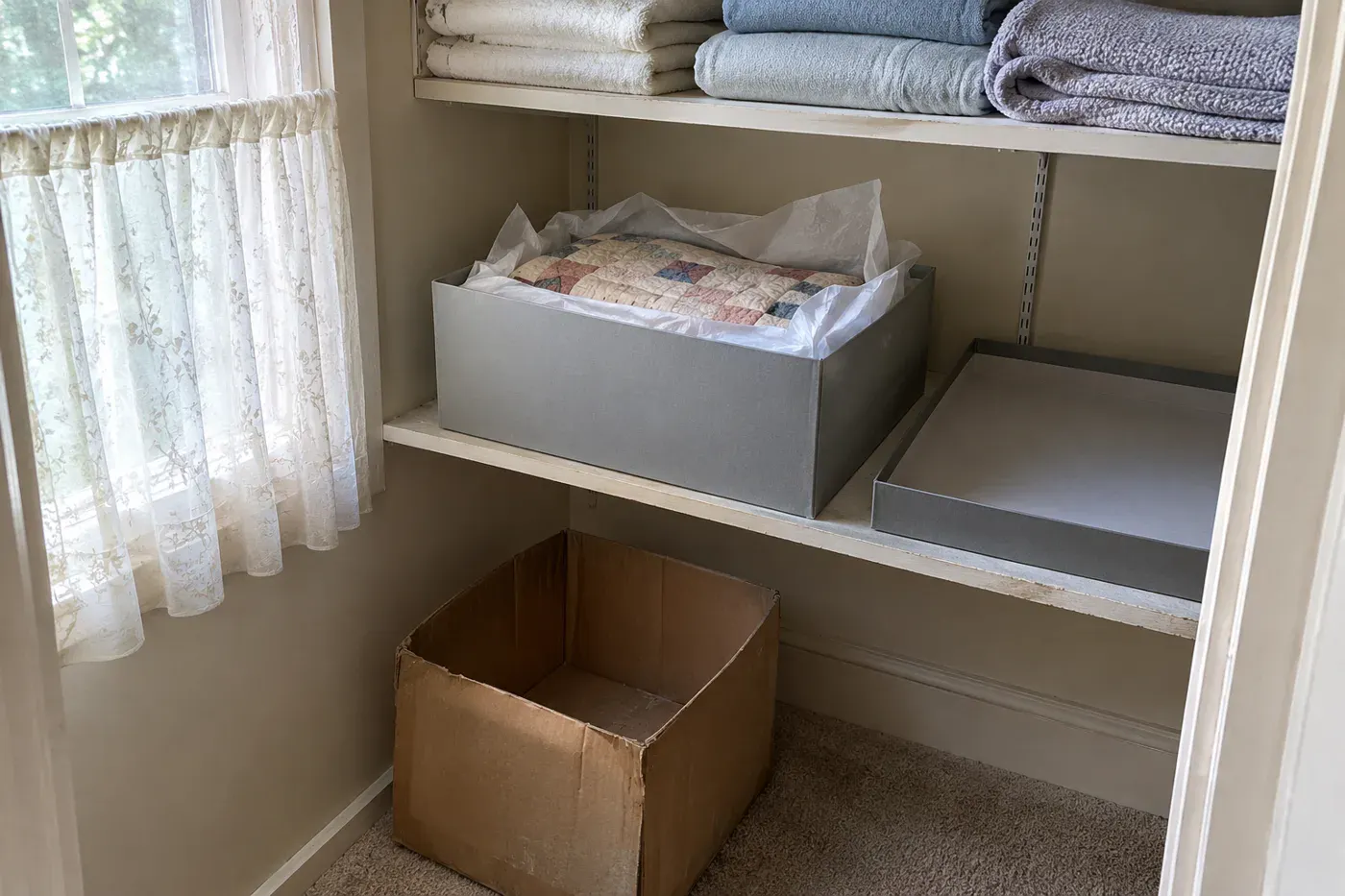
That sturdy box in the closet is doing the damage. Antiques appraiser Dr. Lori, who holds a PhD in art history, doesn’t soften it:
“Cardboard is acidic and it will damage your artwork.” Dr. Lori, antiques appraiser
Quilts get the same warning. The University of Nebraska-Lincoln Extension’s textile guide says to keep textiles off wood, regular cardboard and paper, with acid-free tissue or washed cotton muslin in between. It’s just as firm about plastic: “Quilts should not be stored in plastic bags,” because the bags may not let air circulate and may give off harmful byproducts.
You have two good routes:
The ready-made kit. Gaylord Archival’s quilt preservation kit costs $90.05. It comes with an acid-free box about 24 by 30 inches inside, 25 sheets of tissue, cotton gloves and labels. It’s worth it for the one quilt you’d grab in a fire.
The muslin route. Wrap it in washed muslin and keep it on a shelf in a room you actually live in. The guide says to wash the muslin once a year, reuse it, and replace any acid-free tissue about every five years.
Either way, keep it out of the attic, the basement and any unheated room. The guide also says to refold quilts now and then so the creases don’t wear in one place. Paintings follow the same rules: no cardboard backing, and no place that gets very hot or very cold, where Dr. Lori has seen paint crack across a canvas.
#5 Student-grade paint and a giant brush set
Student grade gets a bad name it doesn’t always deserve. Virtual Art Academy says artist-grade oil paint can have twice the pigment in the same amount of paint. In the same breath, it says some student paints are “just as good as artist grade paints and far less expensive.”
Its advice is to spend on artist grade only where you need the strength of the pigment. It also adds the line every painter should tape inside the paint box: knowing how to use color “is far more important to the end result than the quality of the paint.”
So skip the 24-tube set and the brush roll with 20 sizes. Watercolor teacher Anthony Roebuck says you need one large round brush and six paints: a warm and a cool version of each primary.
Draw Paint Academy names a classic split-primary six:
Reds: Cadmium Red (warm), Alizarin Crimson (cool)
Yellows: Cadmium Yellow (warm), Cadmium Lemon (cool)
Blues: Ultramarine Blue (warm), Cerulean Blue (cool)
The reason for two of each shows up the first time you mix purple. Alizarin plus ultramarine gives a richer purple than cadmium red plus ultramarine does.
#4 Cheap watercolor paper that turns patchy
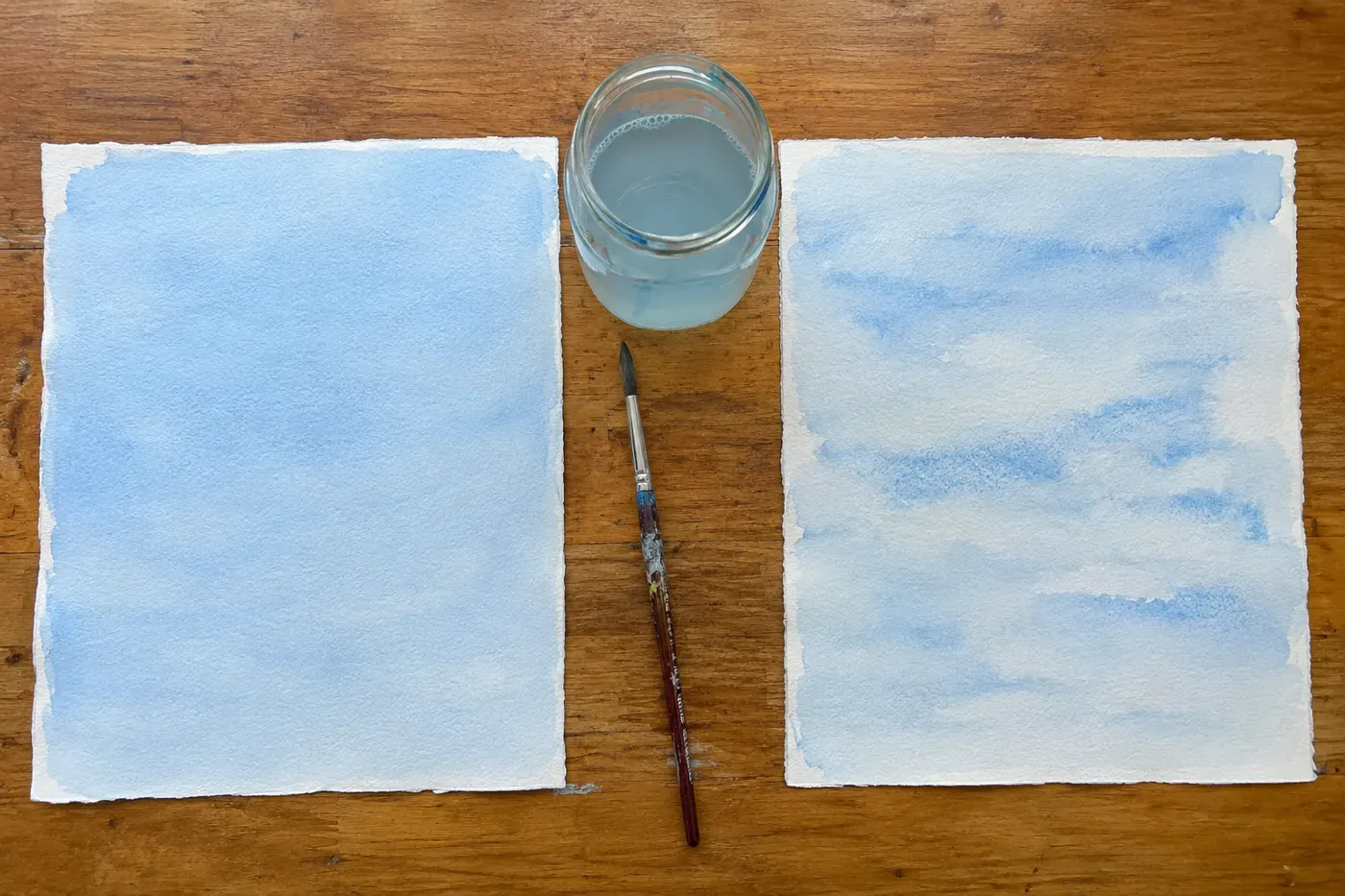
That blotchy sky you’ve blamed on your own hand is often the paper. Anthony Roebuck says it straight out:
“When your wash goes patchy, it’s very easy to think you’re doing something wrong when a lot of the time it’s actually the paper.” Anthony Roebuck, watercolor teacher
On 100% cotton watercolor paper, he says, “This is the one supply where I’d actually spend a bit more.” Paul Rubens’ paper guide explains why: cotton’s longer fibers take water more evenly, so a wash spreads the way you meant it to. The guide calls 140 lb cold press “the practical upgrade.”
| Paper | Price | Best for |
|---|---|---|
| Canson XL pad, 9×12, 30 sheets | about $10 (34 cents a sheet) | swatches, brush drills, practice |
| Fluid 100 block, 9×12, 100% cotton | $27 to $38 | washes you want to keep |
Don’t throw out the cheap pad. The same guide says cellulose paper is fine for practice. Save the cotton for the painting you’ll want to frame.
Try it once: lay the same wash on a sheet of each, side by side on the kitchen table. You’ll see in about a minute what the guide means when it says, “The paper is the silent part of the painting.”
#3 The bargain thread you keep rethreading
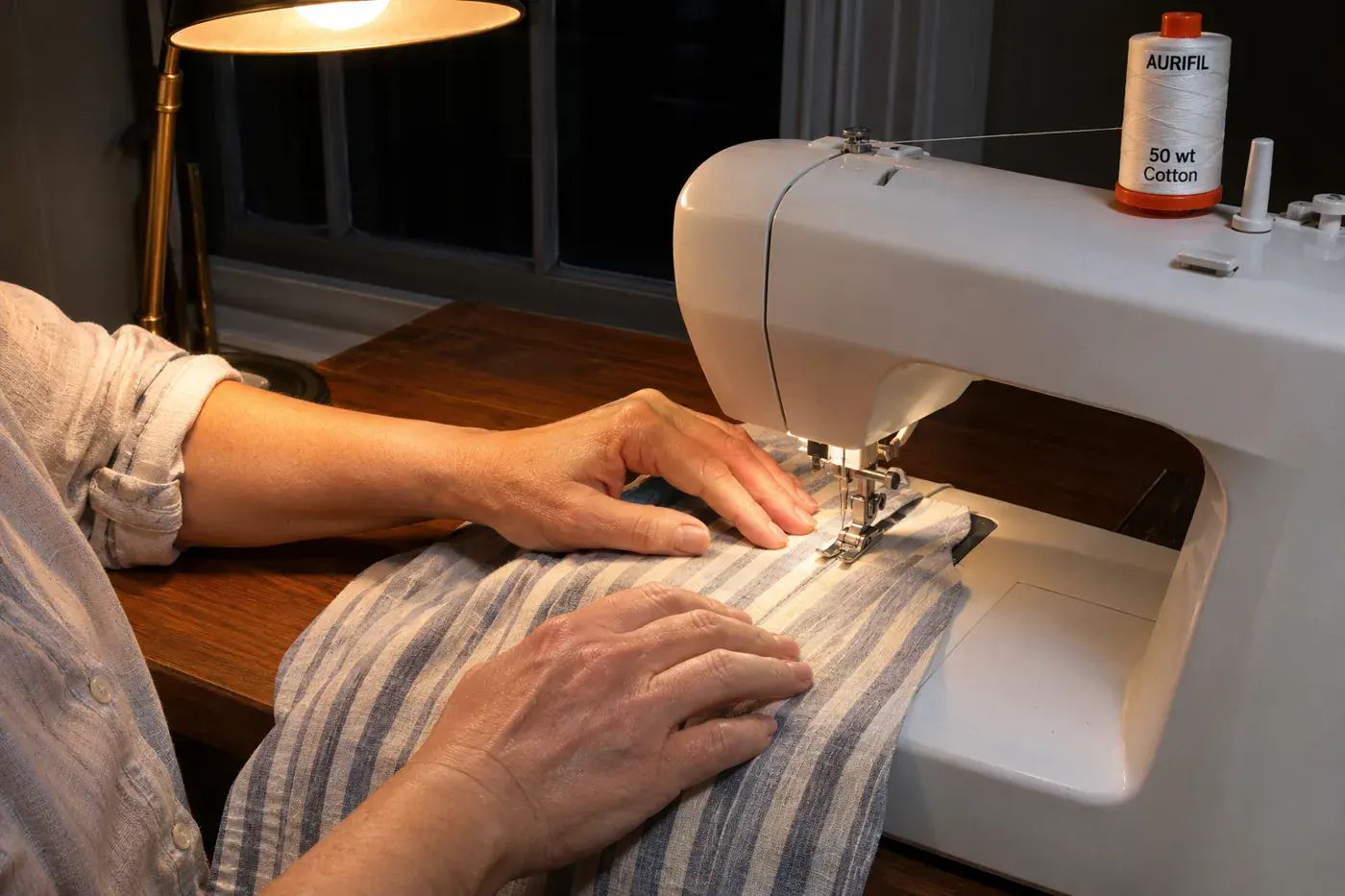
This is the other thing those Reddit quilters said was worth paying for. A 1,422-yard spool of Aurifil 50-weight cotton costs $16.48 at Shabby Fabrics. That works out to about a penny a yard.
At that price, cheap thread saves you almost nothing, and it costs you in other ways. Brother’s own support page lists the wrong thread for the fabric among the causes of skipped stitches. So the bargain spool can make a perfectly good machine look broken.
Aurifil is one good choice, not the only one. What matters is a smooth, strong thread you trust, bought in the few colors you sew with most: a gray, a cream, a white.
If you’re making a short list of the best craft supplies worth buying, thread goes near the top. It also helps to count what you already have. A quilter on Reddit’s r/crafts said what plenty of sewing rooms would say if they could talk:
“As a quilter, it’s always about thread and fabric. I don’t need more of either one.”
#2 The “broken” sewing machine (check the bobbin)
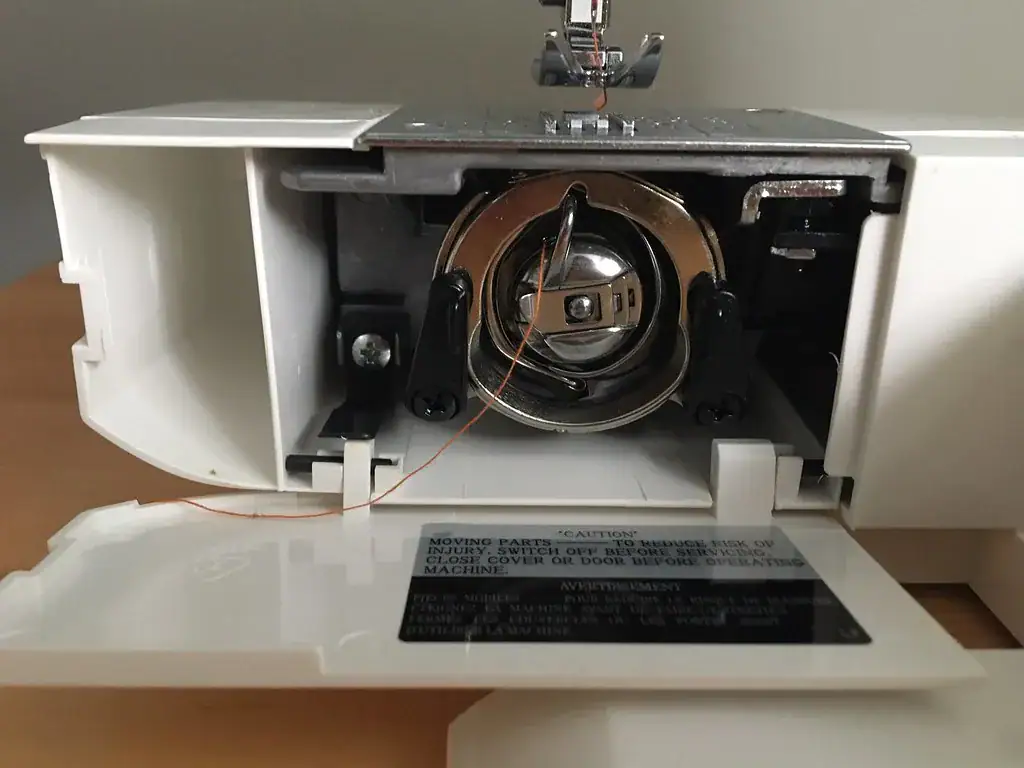
Sewing machine repair technician Lisa Ham, who runs a shop in Northville, Michigan, says most machines people throw out aren’t actually broken. They need cleaning, fresh oil and grease, and sometimes a small timing adjustment.
When customers come in frustrated by skipped stitches and jams, she says, the cause is often the wrong bobbin, not a major repair.
Bobbins fool everyone because they look alike. Threadworks says “bobbins are precision parts, not generic spools.” A Class 66 in a Class 15 case will mostly work, the guide warns, “which is worse than not working, because it sews until it randomly nests.” Check your manual, or measure the bobbin that came with the machine. The right ones are cheap: Singer’s own store sells a 10-pack of Class 15 bobbins for $6.99.
Bobbin sizes, fast check
Class 15 (A style): about 20.3 × 11.7 mm, flat sides
Class 66: about the same width, curved sides, common in drop-in Singers
L style: about 20.3 × 8.9 mm, shorter
M style: about 25.4 × 11 mm, for longarms
Before you call a shop, try the free fixes. Raise the presser foot, then rethread, so the tension discs open. Put in a new needle facing the right way. Brush out the lint under the needle plate. High Country Quilts adds one exception: if you hear a loud clunking sound, stop sewing and call a professional, because that points to timing trouble.
If it still skips, a sewing machine tune-up is the next step. Alyssum Patch in Howell, Michigan, charges $129 for a full tune-up with cleaning and a 49-point inspection, and quotes two to three weeks. Shops we checked charged about $129 to $130, about what a quilting blog budgets for a whole beginner machine.
That’s why the honest question to ask the shop is whether your machine is worth it. Quilters on Reddit say very cheap new machines can wear out fast, so ask the shop to tell you before they start, not after.
#1 The stash you’re trying to sell
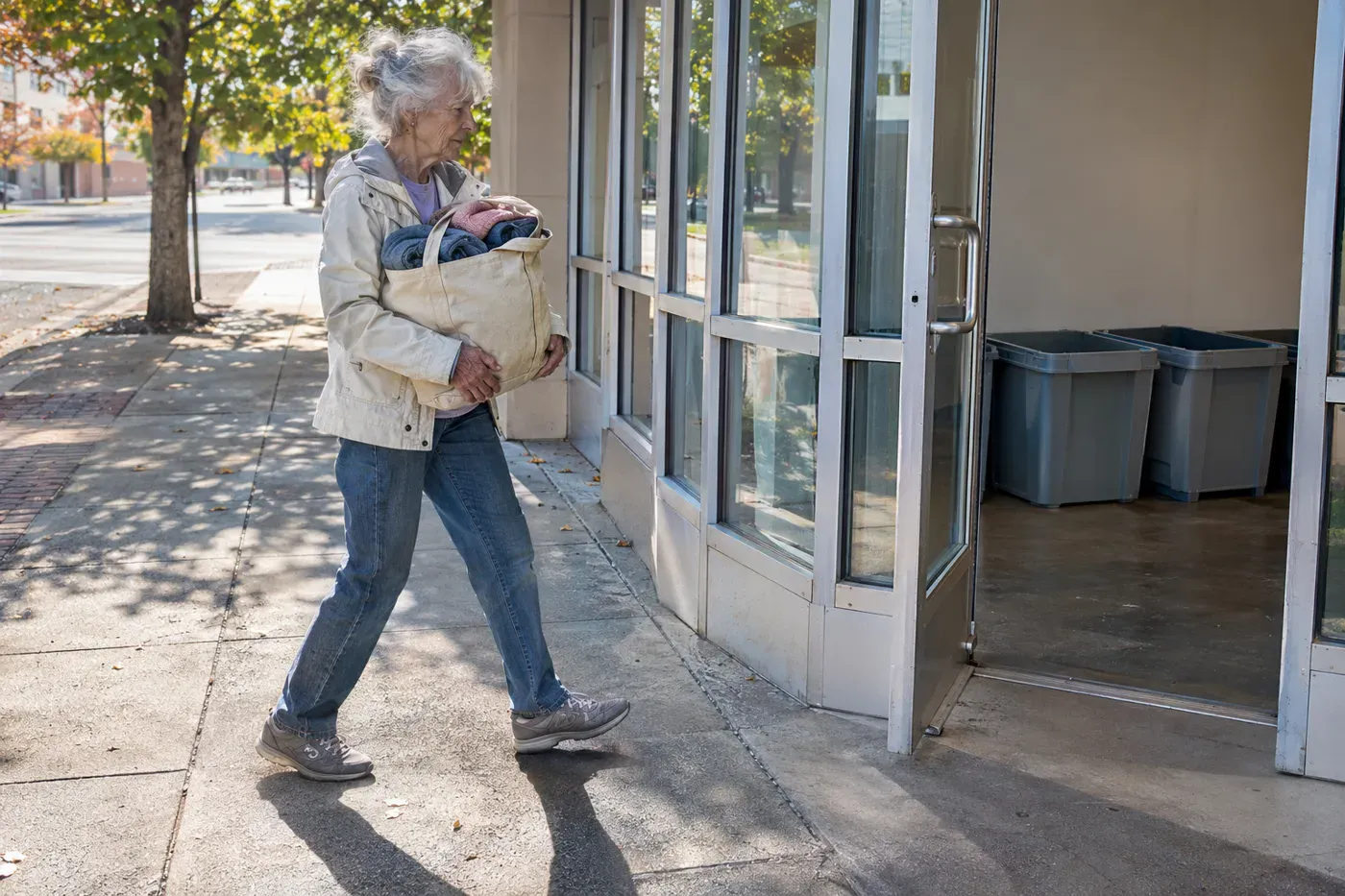
The fabric has been folded in a tote by the door for months, waiting for someone to answer your listing. Resale rarely pays.
In a Reddit thread about unloading an unused stash, people described the same thing again and again. It wouldn’t sell on Craigslist, and bundling it for eBay wasn’t worth the hours. One commenter put the whole problem in a sentence:
“The money is spent anyway, whether you get rid of it or not.”
Most of the advice in that thread pointed one way: donate it to a school or teacher, a shelter, or a family with a child who loves to make things. Another commenter gave away everything they hadn’t touched in three years and said they felt better for it.
A creative reuse center is the best first stop, and the Reusable Resources Association keeps a Find a Center directory by state and city. SCRAP in San Francisco, founded in 1976 by Anne Marie Theilen and artist Ruth Asawa (who served as founding board president for nearly two decades), takes fabric samples, paper, offcuts and overruns. It takes drop-offs Tuesday through Saturday, 11 a.m. to 3 p.m., and asks for an appointment if you’re bringing more than two boxes. Call ahead wherever you go, because each place takes different things. Pittsburgh Center for Creative Reuse, for one, turns away loose fabric scraps and anything smelly, moldy or smoke-damaged.
A donation can also come back to you at tax time, but only if you itemize, and only for gifts to a qualified organization such as a school district or an IRS-recognized charity. Giving directly to a teacher or a family isn’t tax-deductible. The IRS Publication 526 rules for noncash gifts:
$250 to $500: get a written statement from the organization acknowledging your donation
Over $500 in noncash gifts for the year: file Form 8283, Section A
Everything must be in good used condition or better
So the tote by the door doesn’t need another listing. It needs a phone call to a shelter and an envelope for the receipt.
The bottom line
Go to wherever you make things and look for the one tool you touch every single time you sit down. The scissors, maybe, or the long ruler, or the spool of gray you rethread without thinking.
That’s where your money belongs. The things you reach for daily earn a better version. The things you bought for “someday” mostly earn a better home.
Pick one drawer this weekend, the gadget drawer or the ruler drawer, and sort it into three piles: use, fix, give. The fix pile will probably be the smallest, and the cheapest.
Bonus: four ways to pay less for the basics
Put January 2, 2027 on the calendar. The Krazy Coupon Lady tracked Hobby Lobby’s Christmas clearance reaching 90% off on January 2, 2026, and says that markdown usually lasts only a day or two.
Buy glue sticks, foam board and Mod Podge at Dollar Tree. FinanceBuzz found 20 glue sticks for $1.25 against nearly $5 at Michaels, and foam board at $1.25 against $5.99. Some Dollar Tree items went to $1.50 in 2025, and they’re still cheaper.
Split a big Michaels trip over two days. The store allows one coupon per item and one coupon of each type per day.
Change your machine needle after every project, or about every eight hours of sewing, as High Country Quilts suggests. A pack of needles costs far less than a service call.
Questions people also ask
What craft supplies are worth spending more on?
Good cotton thread, two quality quilting rulers and 100% cotton watercolor paper are the upgrades experienced makers say pay off. Aurifil 50-weight costs about a penny a yard, and a long strip ruler plus a 12.5-inch square cover most quilt cutting. Artist-grade paint is worth it mainly where pigment strength matters, according to Virtual Art Academy.
Is it worth fixing an old or cheap sewing machine?
Often yes, especially if you try the free fixes first: rethread, put in a new needle, and brush out the lint. A full professional tune-up runs about $129 to $130 at shops like Alyssum Patch, close to what a budget beginner machine costs, so ask the shop whether your machine is worth it. A loud clunking sound means stop sewing and see a technician.
How much do art supplies usually cost?
It depends on the craft, but a first quilt runs about $362 in tools, fabric and thread, according to Hailey Stitches. A second quilt costs about $55, since you already own the tools. For watercolor, a 30-sheet practice pad costs about $10, and a 100% cotton 9×12 block runs about $27 to $38.
Where can I donate craft supplies?
Creative reuse centers and shelters take craft supplies, though each has its own list, so call first. SCRAP in San Francisco takes fabric, paper and offcuts by appointment for larger loads. Deductions apply only to gifts to a qualified organization, such as a school district, not to an individual teacher or family. If you itemize, the IRS requires a written acknowledgment for gifts of $250 to $500 and Form 8283 if your noncash donations top $500.
What is the cheapest place to buy craft supplies?
For basics like canvas boards, glue sticks and foam board, Dollar Tree usually beats craft-chain prices. A 2026 FinanceBuzz comparison found canvas boards at about 42 cents each against about $1.50 at Michaels. For quilt backs, thrift stores like this Goodwill sell sheets for about $2.99.
What should I buy a crafter as a gift?
Ask them, send a link to the exact item, or give a gift card. Sierra Yarn calls a gift card “the zero-risk option” because yarn people are picky about yarn. Designer Sandi Rosner notes that most people are happy to say what they’d like.


