See what the studies behind the usual hobbies for retirees actually found, what each one costs to start, and where to sign up, from a $35 crochet class to a $12 carving glove.
Number 1 is a figure from a government time survey, and acting on it costs nothing.
Somebody shares it again: the bright graphic of retirement hobbies that keep your brain sharp. Knitting, gardening, crosswords, a smiling woman with a watering can. You scroll past with your coffee going cold. You’ve seen it a dozen times, and it has never once said who found what, or how much of it anybody had to do.
So we opened the studies themselves, about 65 pages of them, from journal articles to shop class listings. A couple of old favorites held up. A couple came up nearly empty.
#16 Knit or crochet in your evening chair
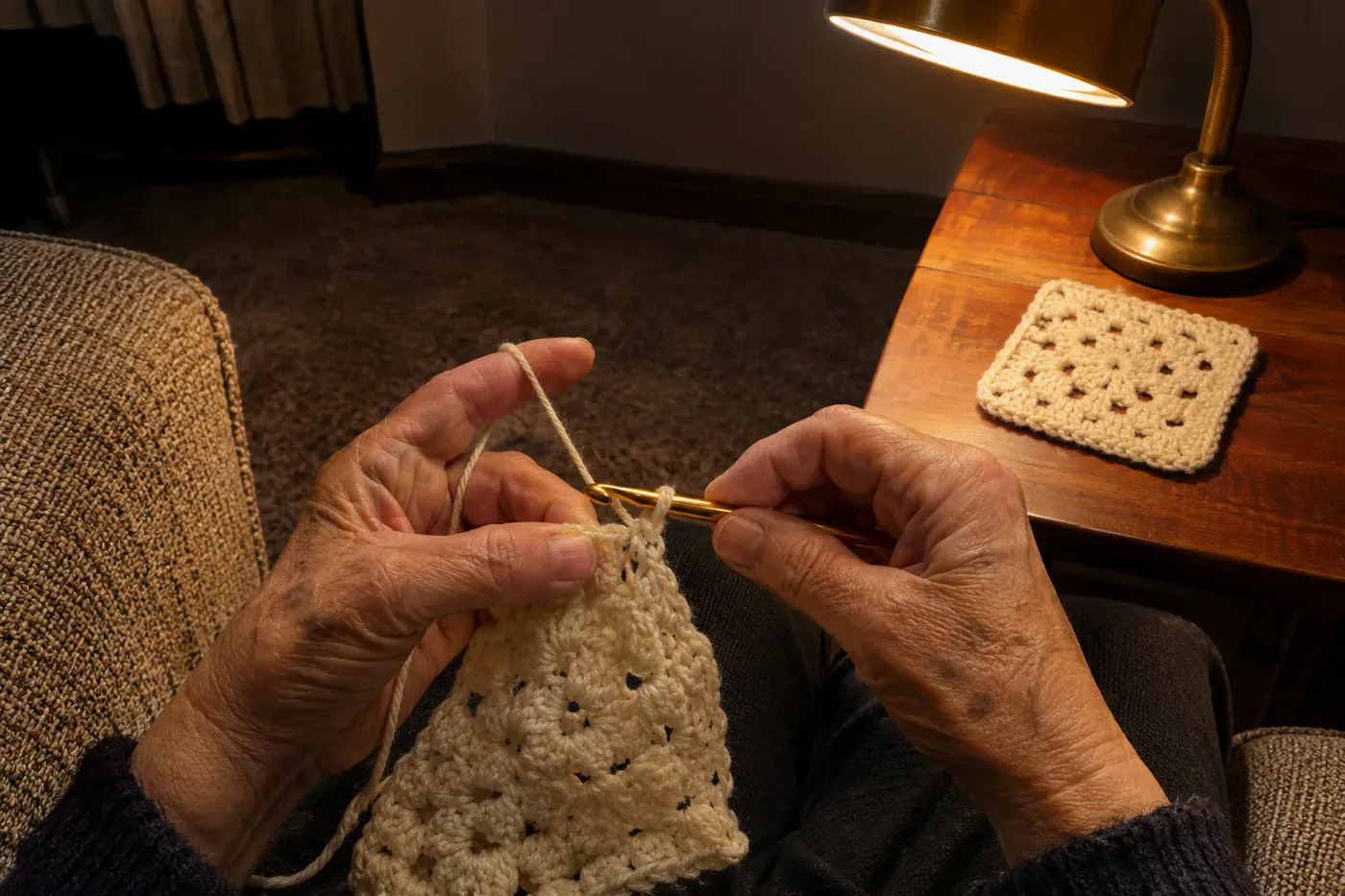
The needles come out once the dishes are done, and you work a few rows while the house goes quiet. That habit has better backing than most.
Mayo Clinic researchers followed 1,929 people aged 70 and older for about four years. People who did crafts had a 28% lower risk of developing mild cognitive impairment, the early memory and thinking trouble that falls short of dementia. Only computer use did slightly better. It’s a link, not proof that the knitting did it.
How often matters. Mayo’s Dr. Yonas Geda found that people who did these activities “at least one to two times per week had less cognitive decline than those who engaged in the same activities only two to three times per month or less.”
That points to knit night once a week, not once a month.
On Reddit, knitters and crocheters keep describing the same evening ritual: a few rows before sleep, or counting stitches until the day lets go. It’s calming, and it’s also the weekly habit Geda was talking about.
If the yarn has been in the closet for years, a shop class gets your hands back fast. The Knitters Studio in Bellevue, Washington charges $95 for its four-week Learn to Knit, skein and needles included. Its four-week Learn to Crochet is also $95, and you leave with a granny-square coaster. In Albuquerque, Gathering Stitches runs a Basic Crochet Class for $35, all supplies included.
#15 Dig a new garden bed
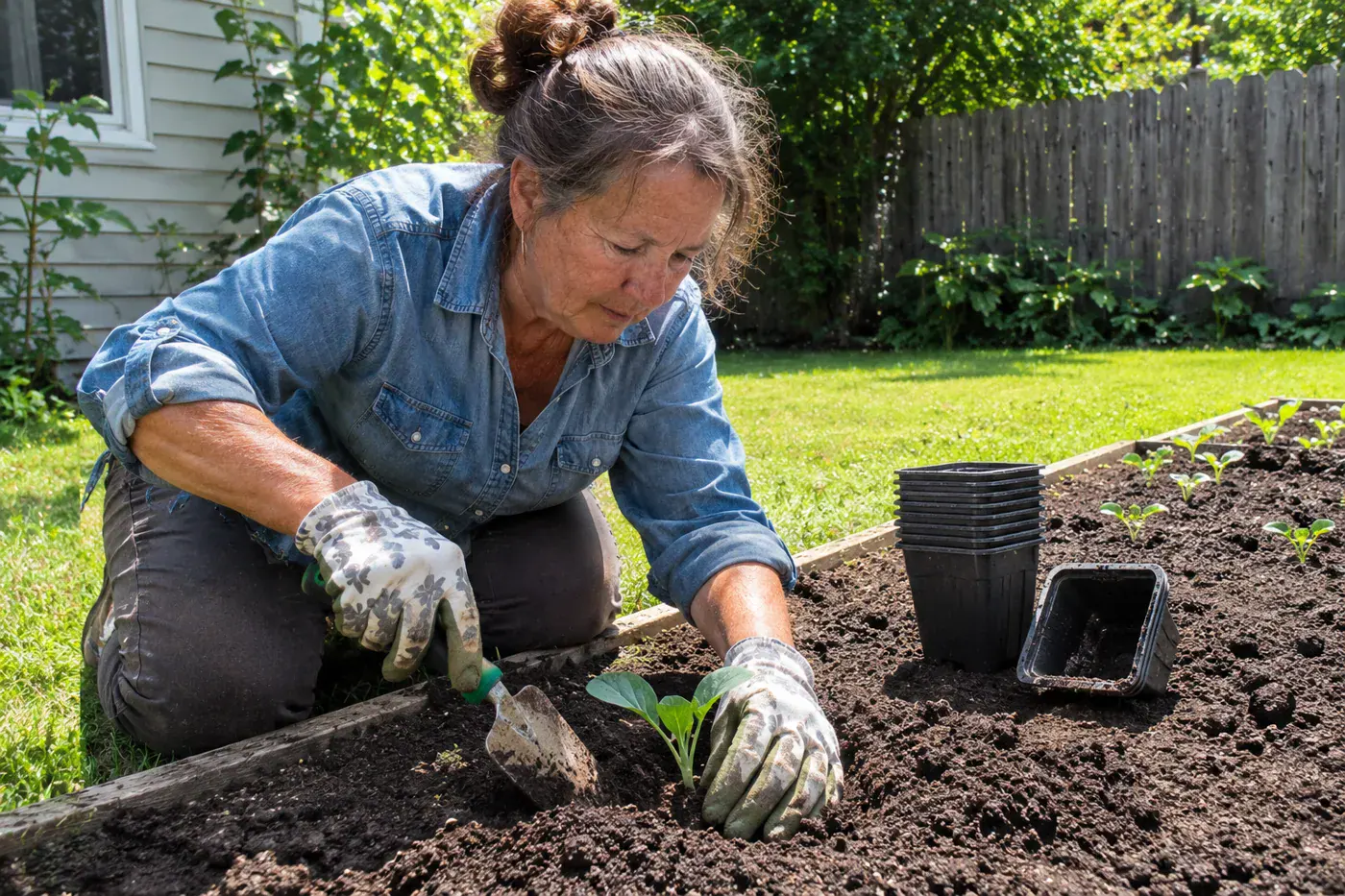
Gardening shows up on most retirement hobby lists as a way to keep your mind sharp. Of all the claims, it has the least behind it.
A 2025 review gathered the actual gardening trials. Over half were in people with dementia or in older adults living at home, and thinking skills weren’t counted as their own result at all. Gardening got lumped in with physical health, where the effect was small and the reviewers rated their confidence “very low.”
None of that means put the trowel away. Garden for the dirt under your nails and the first ripe tomato. Just don’t expect a memory test to notice.
On retirement threads on Reddit, people say the yard became their purpose: bare ground turned into native plantings, a backyard that led to birding, beekeeping and Master Gardener training. That training is the step up, run through county extension offices, and it asks for real hours:
| Program | Cost | Hours asked |
|---|---|---|
| University of Maryland Extension | $150 to $300, by county | 40 to certify, then 20 volunteer and 10 learning a year |
| Virginia Extension, Mathews and Middlesex | $185 in 2026, manual and background check included | 50 to start, then 20 service and 8 learning a year |
Virginia’s 2026 course started August 12 and runs through November 18, partly online, so ask your county now about the next one. If 40 or 50 volunteer hours in the first year sounds like a job, skip the certificate and keep the garden.
#14 Sign up for a beginner quilting class
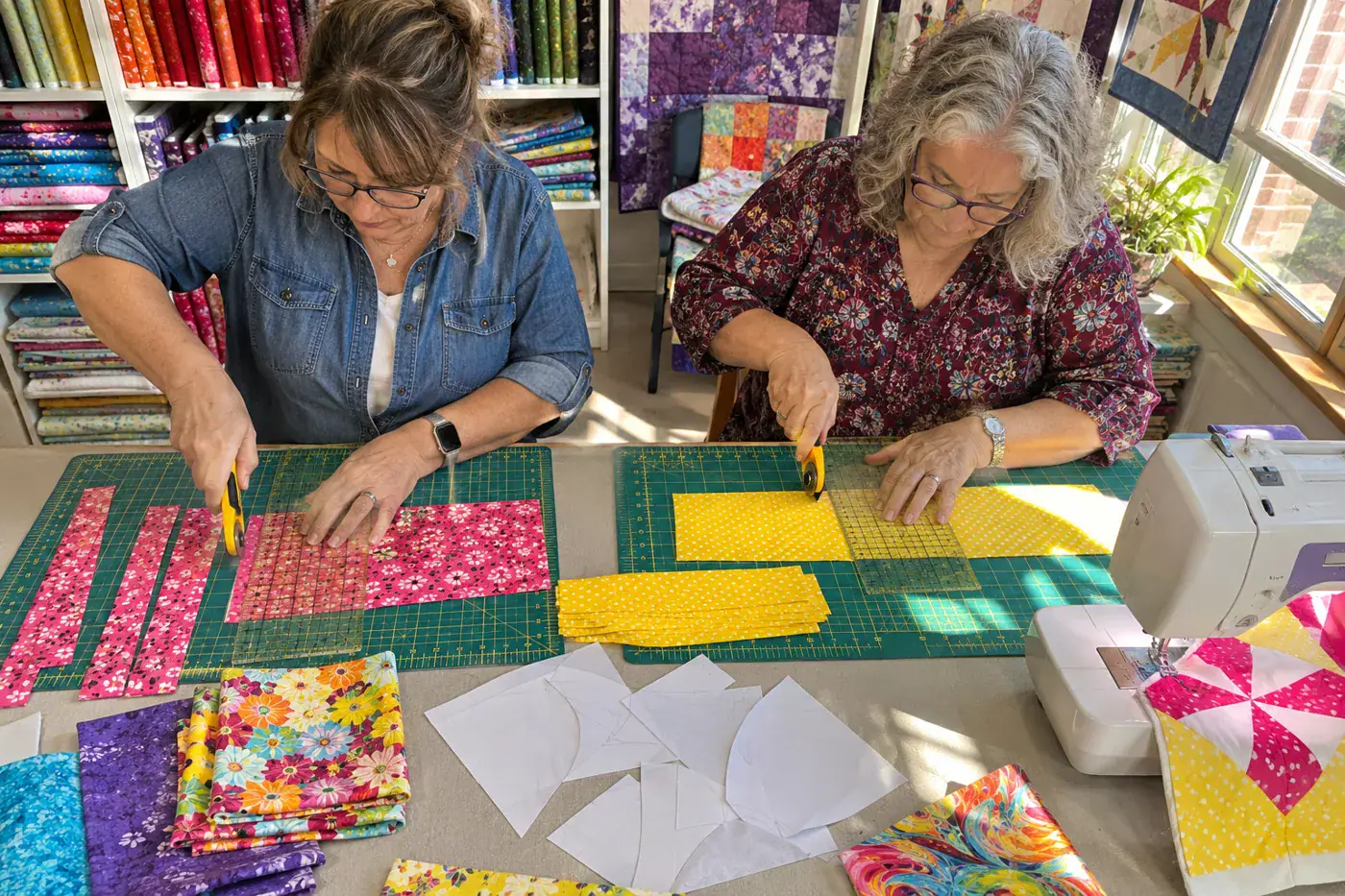
“Quilting keeps your mind sharp” traces back to one real study, and the volunteers worked harder than the headline suggests.
In the Synapse Project at the University of Texas at Dallas, adults new to quilting learned basic skills and progressed to complex projects on computer-driven sewing machines. They put in about 16 hours a week. That’s close to a part-time job. The groups learning a hard new skill, taken together, improved their memory for everyday events more than the groups that didn’t.
What really happened in the Synapse Project – 221 people, ages 60 to 90, for 14 weeks – Six groups, including quilting, a social club and easy busywork – Among the quilters, 60% showed a reliable memory gain – The social and easy-task groups showed no improvement, and some gains lasted up to a year
Here’s what nobody says. If you’ve quilted for thirty years, a beginner class won’t stretch you the way it stretched those volunteers. The challenge was the point. Your version might be the computerized machine at the shop you keep walking past, or the curved piecing you’ve always avoided.
If you’re new to it, Quilter’s Lodge runs a seven-week Beginning Quilting series for $140, starting November 17, 2026, covering color, cutting, piecing, pattern reading and pressing. Atlanta Sewing Center’s Beginning Quilting I is $124.95, a $30 kit included. It assumes some sewing, takes only four students and charges $49.95 to rent a machine. Gathering Stitches lends theirs: “If you need to use a GS sewing machine for your class, please reserve it ahead of time. It is free to use!”
For company afterward, the Modern Quilt Guild keeps a searchable map of member guilds.
A retired man on r/AskOldPeopleAdvice summed up the whole arc: “Didn’t really have a hobby when I retired. I do now. A few seasonal ones and I quilt.”
#13 Work a jigsaw with an audiobook on
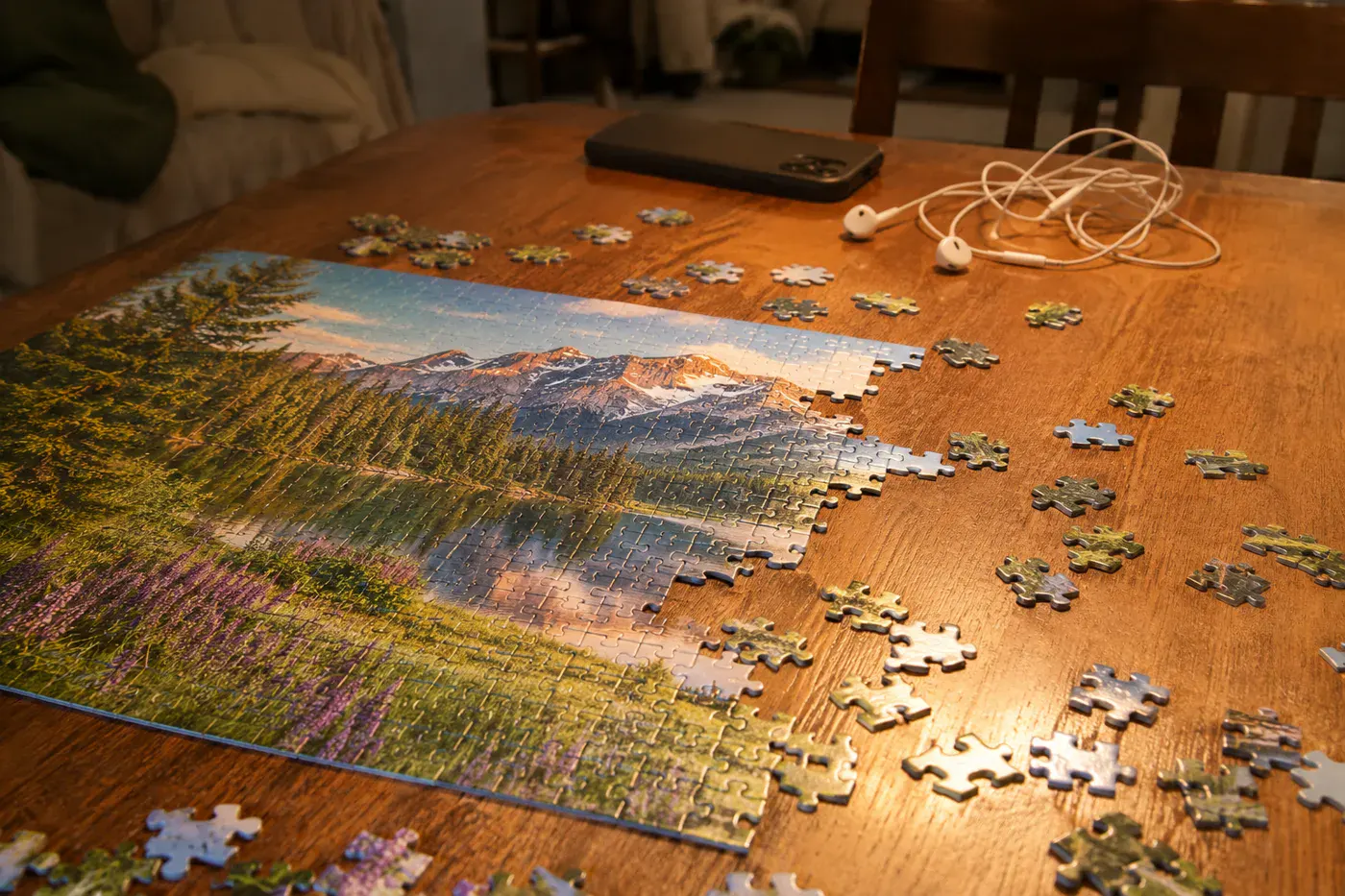
Does an hour a day bent over the dining table actually do anything for your head? One team tested exactly that.
They had 52 people do at least an hour of jigsaw puzzles a day for 30 days and compared them with 48 who didn’t. The puzzlers did no better on tests of visual-spatial thinking, the knack for seeing how shapes fit together. That’s the very skill a jigsaw should help most.
Then the twist. People who had done puzzles for years scored better, even after the researchers accounted for other differences. Their conclusion: it’s “long-term, but not short-term jigsaw puzzling” that’s worth recommending for healthy aging.
So the new 1,000-piece box won’t show up on a test by spring. The years of winter puzzles you may already have behind you might.
The audiobook is what makes it calming, and plenty of people on Reddit name that exact pairing as how they settle down. Libby, the free library app, lets you borrow audiobooks with your library card on a phone or tablet. What you can get depends on what your library has bought. Pick your book before you dump out the pieces, so it’s playing by the time you find the first corner.
#12 Watch the feeder from the kitchen window
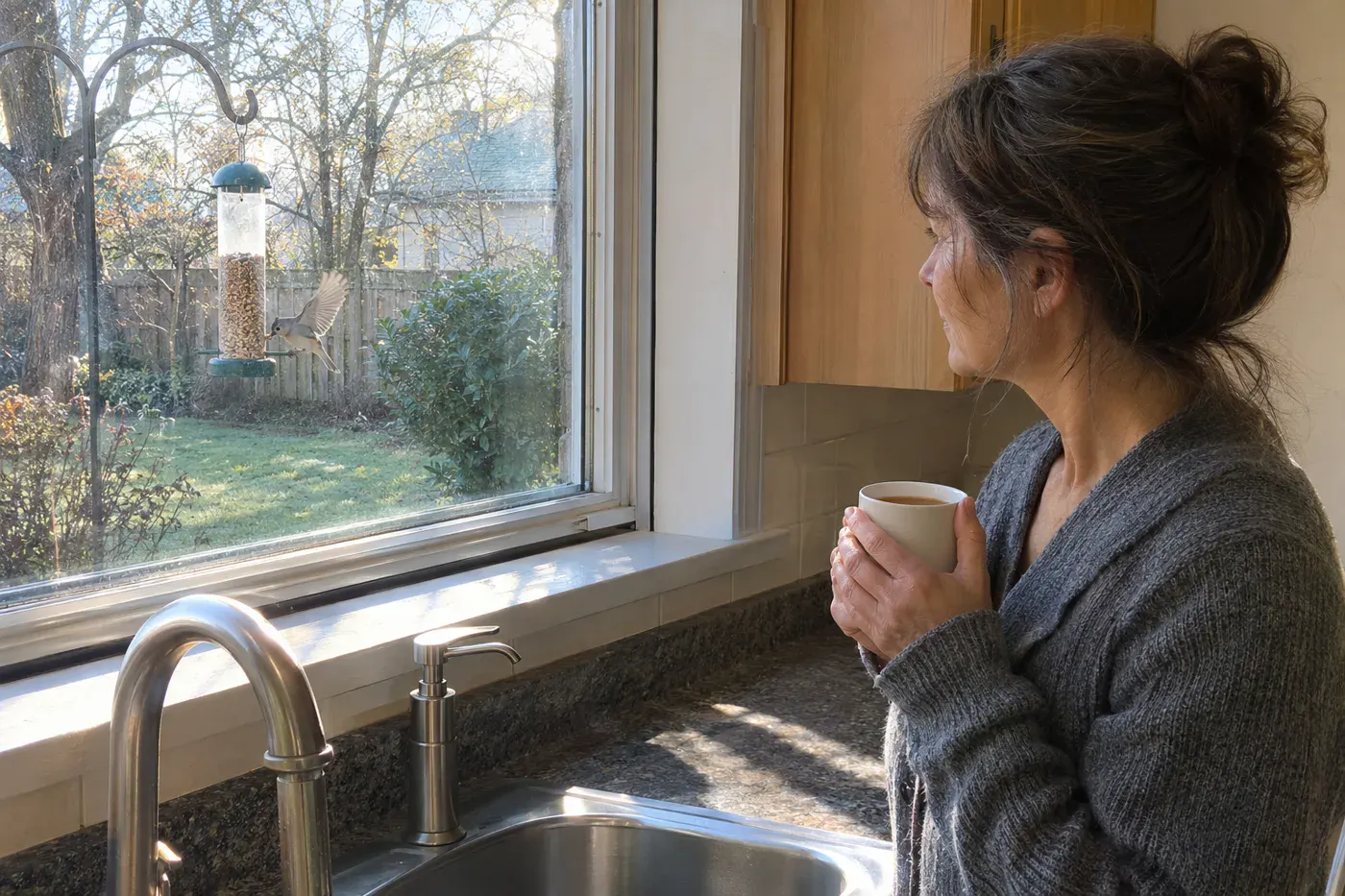
The same small gray bird lands, takes one seed and leaves. Then it does it again. You could set a clock by it. On Reddit, retirees name filling the feeders as the thing that starts their day.
We looked for a study tying birdwatching to memory and didn’t find one. Watch anyway, and make it a little smarter for free.
Merlin Bird ID, the free app from the Cornell Lab of Ornithology, names a bird from its song. You hold up your phone, it turns the sound into a picture and matches it, the same way it matches photos. You’ll finally know who’s been singing before sunrise.
When you’re ready to count for real, the Audubon Christmas Bird Count is free. Each count covers a circle 15 miles wide. The 2026 to 2027 count runs December 14 to January 5, and each circle picks its own day, so find your local circle leader and register ahead.
The count began in 1900 with 25 locations. It now has over 2,800 circles, and each one has somebody keeping the list.
#11 Join a community choir
If you went looking for Sweet Adelines and couldn’t find it, you’re not imagining things. In 2026 it took a new name: “After 80 years as Sweet Adelines International, we’re singing into a new chapter as SingUnited International.” Membership questions go to 1-800-992-7464.
The best choir study is honest about what singing does. Twelve San Francisco senior centers took part, with 390 people. After six months, the choir singers were less lonely and more interested in life. Their memory and planning skills didn’t measurably change.
A large UK study also linked choir singing to better brain health, though its researchers say the social side of being in a group may be part of that. On Reddit, retirees credit shared-interest groups, a women’s barbershop chorus among them, with replacing the friendships work used to provide. If social connection is what you’re missing, this is the strongest-backed item for it.
Now the part the recruiting flyer leaves off. Bay Area Showcase Chorus charges $40 a month in dues, plus a $95 regional assessment and a $125 SingUnited fee each year. That comes to close to $700 a year, before travel and costumes. Ask what a full year costs before you buy the sequins.
#10 Take a phone photography class
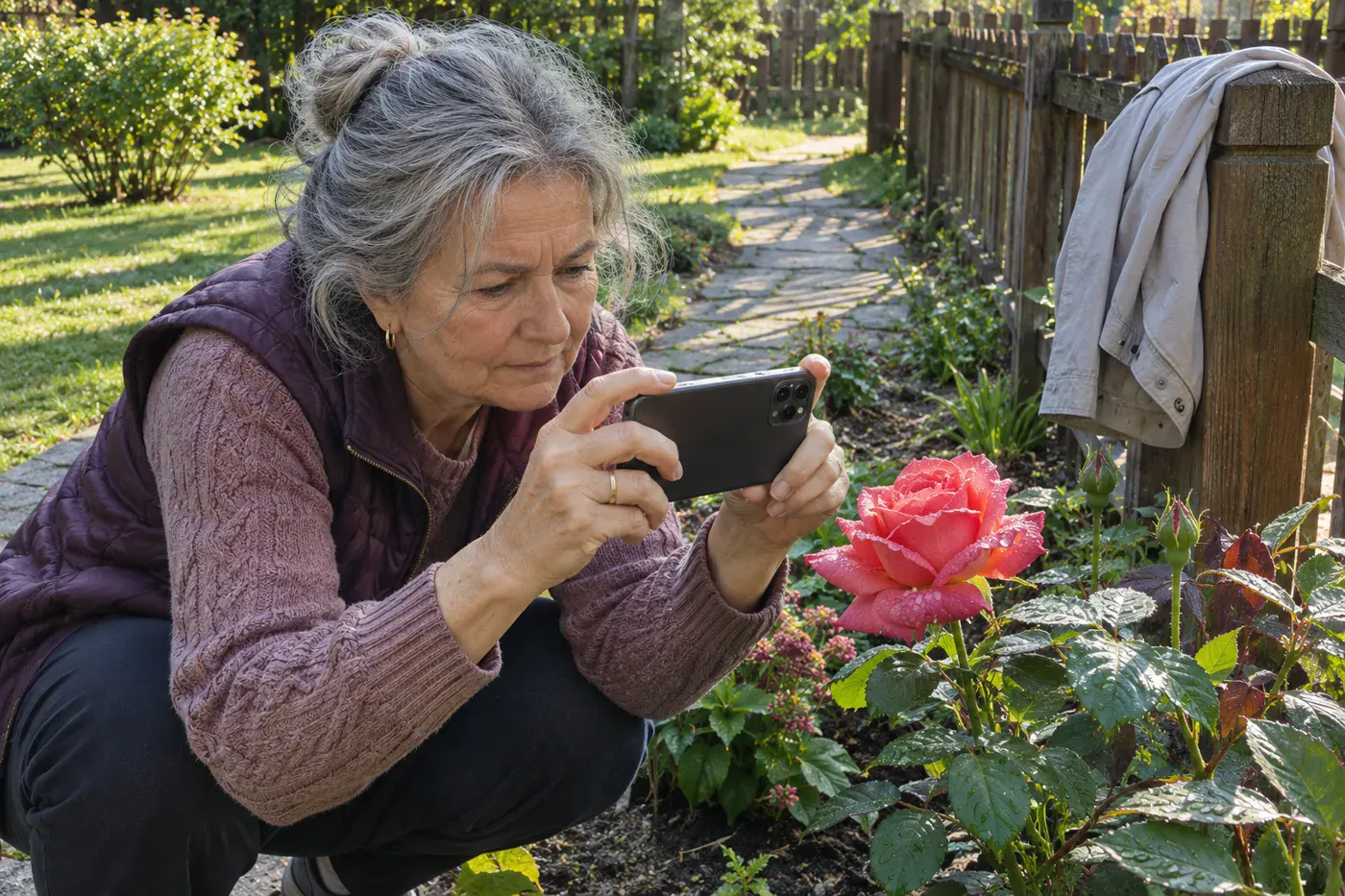
The Synapse study has a twist the quilting articles skip: the photographers did better.
Their memory gain was the strongest of the three skill groups, with 76% showing reliable improvement. But their class wasn’t a phone workshop. It was about 15 hours a week of digital photography and computer editing, for 14 weeks.
A two-hour session on phone pictures is a nice afternoon. It isn’t that.
The closest you can get is a real course. Johnson County Community College’s beginner-friendly Creative Photography is $149 for three hours every Saturday morning, September 19 to December 5, 2026. There are 126 Osher Lifelong Learning Institutes across all 50 states. At the University of Kansas one, membership is $25 a year and a three-week course is $50, with “no homework, out-of-class preparation, or testing.”
Public colleges are another route. An AARP state table from 2020 lists free auditing for residents 60 and older in Florida, Virginia, Ohio and Wisconsin, 62 in Georgia and Connecticut, and 65 in Texas. Seats usually depend on space, fees and books are often extra, and rules may have changed since 2020, so check first.
The editing was where the volunteers did the hard work. Next time you photograph the roses by the porch, tap the edit button and stay there a while.
#9 Carve a spoon from a block of wood
“The best thing about retirement is you finally have time to be patient with yourself and learn slowly and at your own pace.” A retired cyclist and skier who took up hand carving, on r/retirement
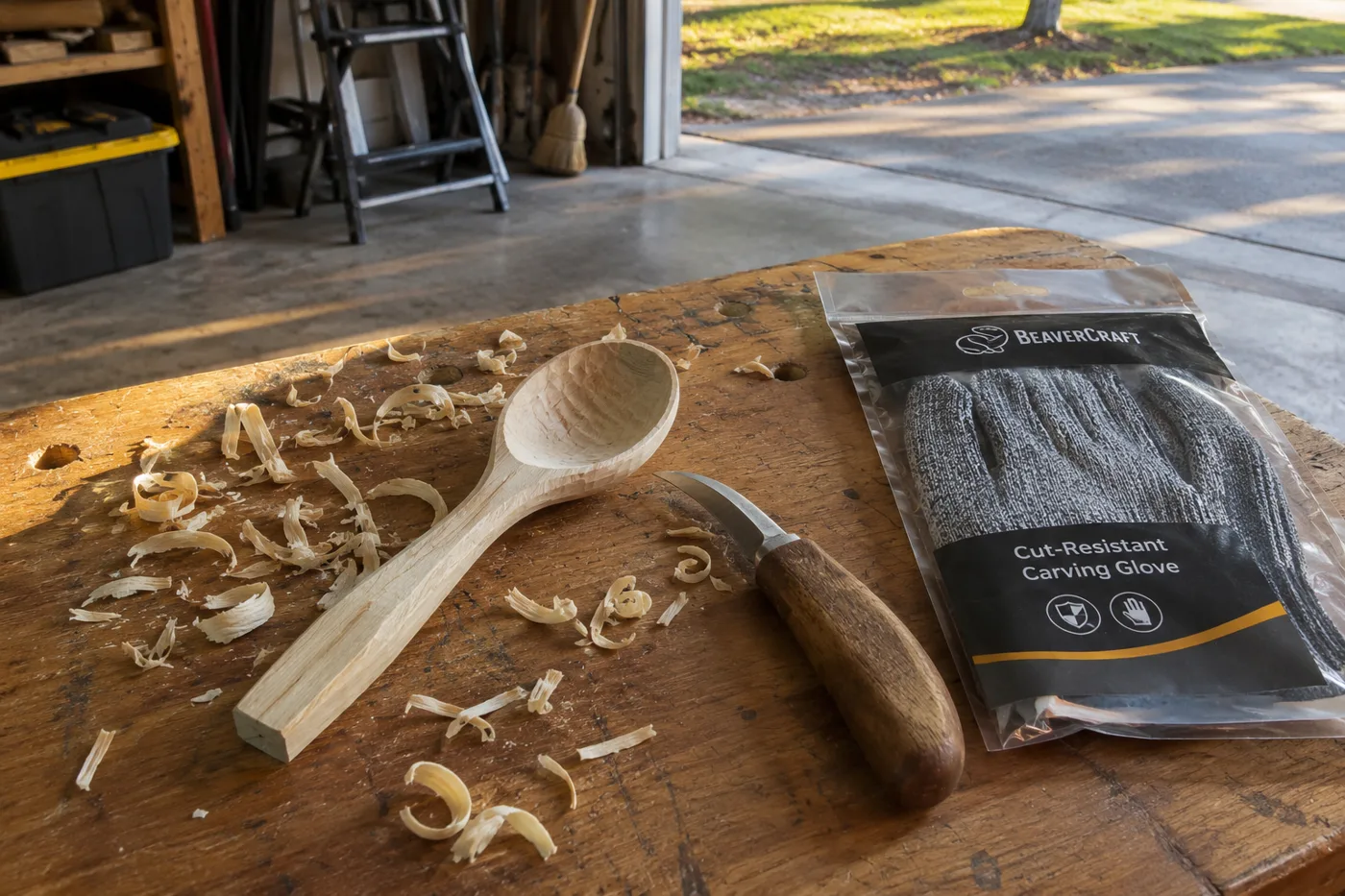
Spoon carving runs at that speed by nature. A knife, a block of local wood, shavings curling into your lap, and a spoon that takes as long as it takes.
The biggest hobby study we found covered 93,263 people aged 65 and older in 16 countries. It linked having a hobby of any kind to fewer depressive symptoms, more happiness, better self-rated health and higher life satisfaction. That’s mood rather than memory, and it’s a link, not proof. It’s still a lot of people.
It’s cheap to start. Knives slip, so wear a cut-resistant glove on the hand holding the wood. BeaverCraft’s is $12 at Tay Tools, but one reviewer said the fingertips “cut right through too easily on a knife slip,” so it lowers the risk without removing it.
The National Wood Carvers Association costs $29 a year, Chip Chats magazine included. Its club map comes with a warning you’ll like: many groups “do not consider themselves a ‘club’ but just enjoy getting together to carve.”
#8 Paint your first watercolor
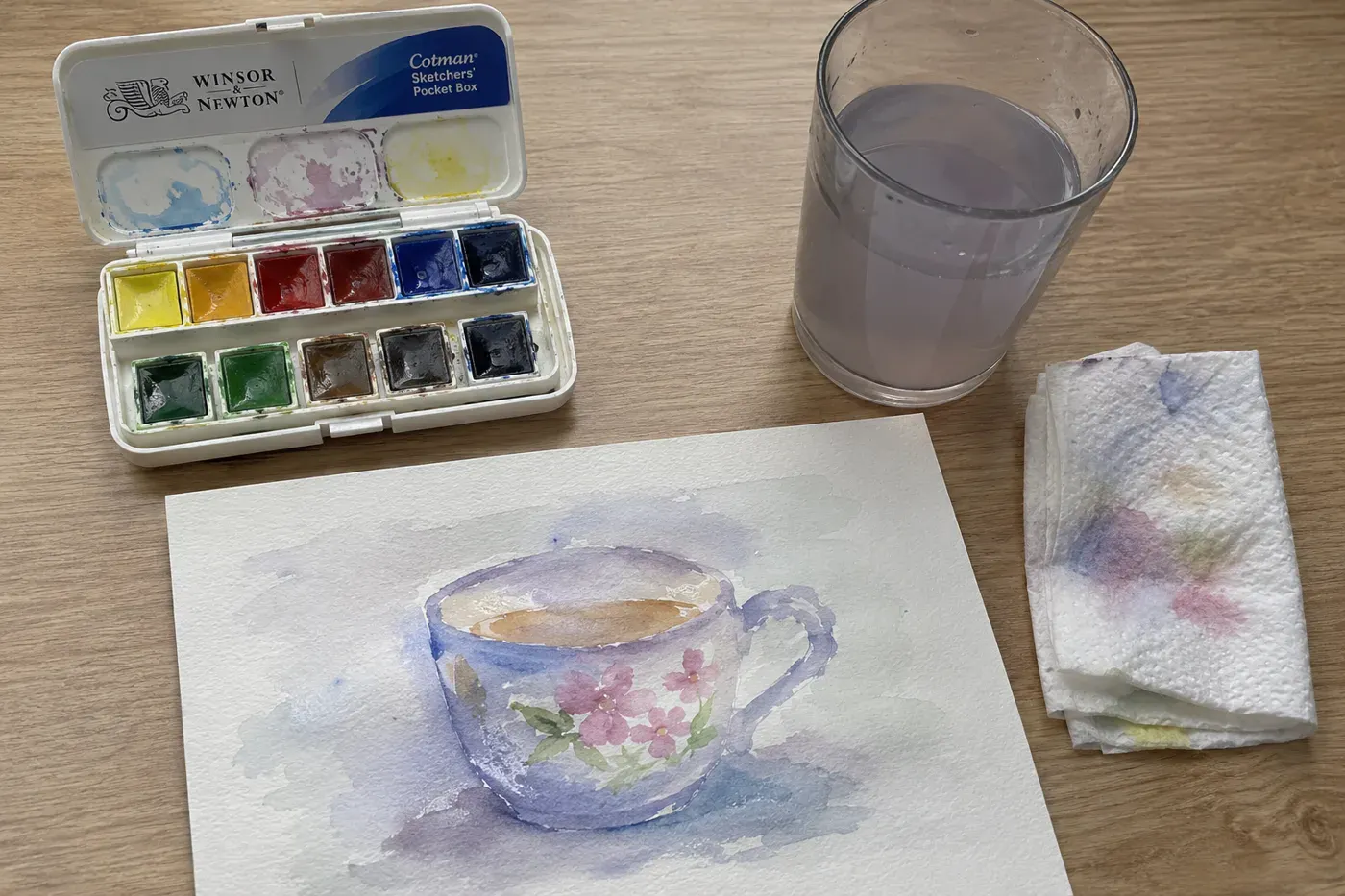
“I can’t draw” stops more people at the art store door than price ever does. Someone working toward retirement put it plainly on r/retirement: “I have no art background and can’t draw. But the act of putting paint on paper is really lovely.”
Dr. Izzy Sealey, a Cambridge-trained doctor in the UK, had an art teacher tell her she was bad at art, and she believed it for years. Her answer now: “It doesn’t matter what the end piece looks like. What matters is the creative act of actually showing up and doing the thing.”
There’s a small study behind her. In Nuremberg, Germany, 28 recently retired adults split into two groups. For ten weeks, one group painted and drew in weekly two-hour sessions. The other looked at and discussed art with an art historian. The painters’ brain scans showed better-connected networks, and their resilience, the ability to handle stress, went up. The lookers’ resilience didn’t.
That’s 14 people per group, for ten weeks, with no memory test and no follow-up. It’s small, but the point is clear: making counted where looking didn’t. A museum trip and a paintbrush aren’t the same hobby.
The Winsor & Newton Cotman Sketchers’ Pocket Box, with 12 half pans, is $26.94 at FineArtStore.com, down from a list price of $38.49. A pocket brush comes with it. Add a pad of watercolor paper. The lid opens into the mixing palette, so the whole studio fits on one corner of the kitchen table.
#7 Learn piano from scratch
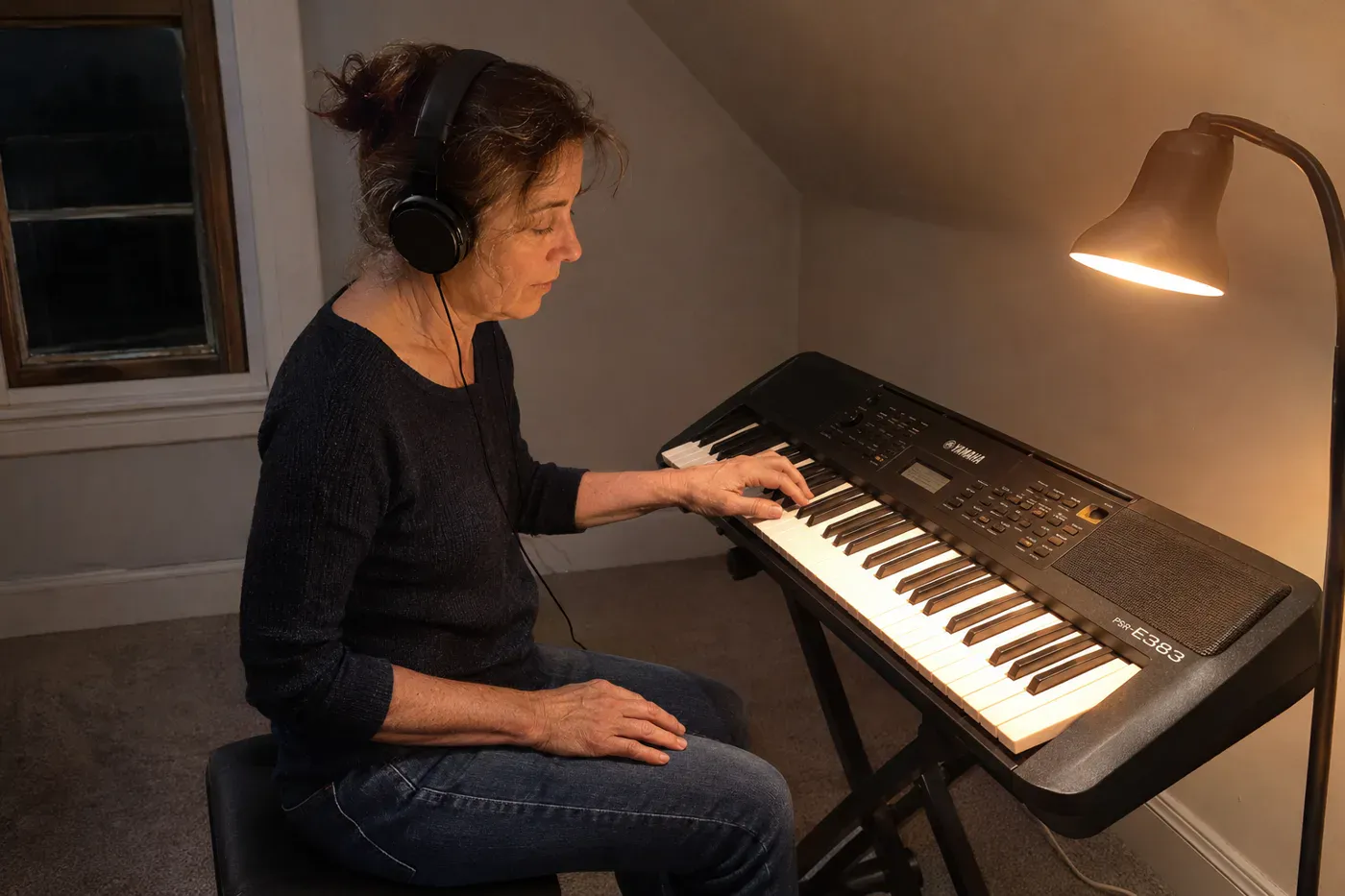
The study passed around as proof “it’s never too late” is real. It came out of the UK’s University of Exeter in January 2024.
Researchers looked at over 1,000 adults aged 40 and older. Playing an instrument, especially piano, was linked to better memory and planning. People who kept playing into later life showed greater benefit to their cognitive function. Prof. Anne Corbett of the Exeter team said: “Being musical could be a way of harnessing the brain’s agility and resilience, known as cognitive reserve.” She also said more research is needed.
Read it closely. The study is about people who already play. It doesn’t say what starting fresh at the keyboard does. Learning will still stretch you, and that’s the part the quilting and photography studies rewarded.
You don’t need a piano. The Yamaha PSR-E383 has 61 touch-sensitive keys, weighs about 9.7 pounds, runs on batteries or a plug and has lessons built in. It’s $169.99 at Guitar Center, down from $199.99.
If you’d rather take a class, Harper College in Palatine, Illinois runs Group Piano for Adults: Introductory for $249. It meets Saturdays from January 23 to March 13, 2027, for absolute beginners, with 4 to 12 students. The class sits in a digital piano lab, and everyone wears headphones. Nobody hears your wrong notes but you.
#6 Open a language app
This is the result the language ads leave out.
Researchers gave 160 healthy adults aged 65 to 75 either 11 weeks of Italian lessons or relaxation training. The Italian learners really did learn Italian. Their thinking tests barely moved, and the researchers concluded that language learning “does little to improve cognitive processing abilities.”
That trial used real lessons. There’s no reason to expect a phone app to beat them.
So learn the language for the language: the menu in Rome, the words to the aria, the letters in the attic. If cognitive health is your reason, the evidence points to a quilting class or the bridge table instead.
#5 Take a regular weekly volunteer shift
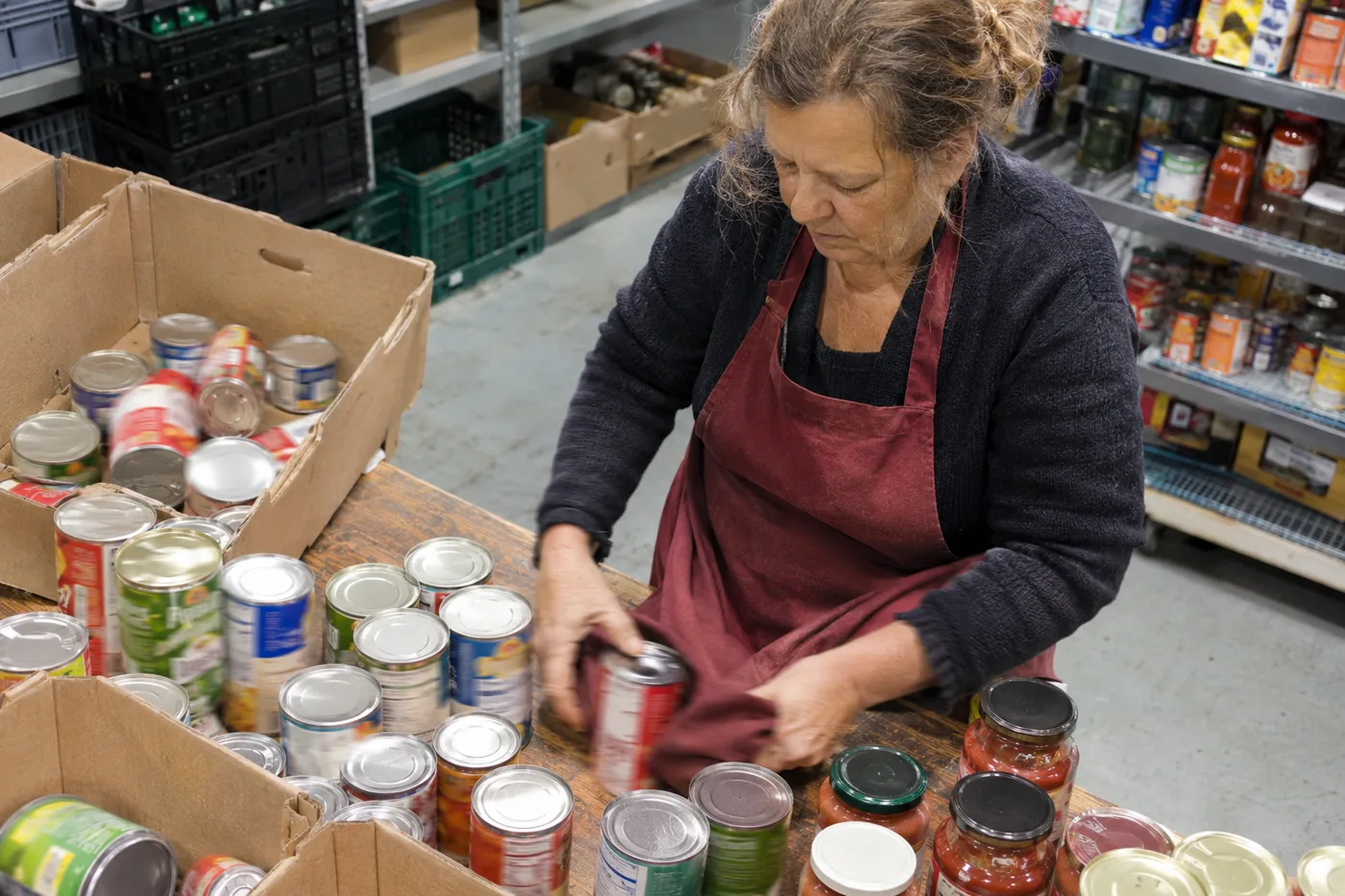
Check the rules first, because they decide whether you can start. NYC Health + Hospitals asks volunteers for “three to six hours per week for a period of three to six months.” It also requires a physical exam, a TB test and immunizations before you begin.
The research behind the idea that volunteering is good for your brain is mixed. A pilot in Baltimore had 8 women tutor in elementary schools while others waited their turn. After six months, the tutors showed gains in brain regions that handle planning. That’s 17 women in all, and the researchers called it preliminary.
The full program asked volunteers for 15 hours a week over two school years. A 2025 analysis of 659 of them found it “had no effect on memory performance in the overall sample.” Some gains turned up among people in lower-income neighborhoods that are hard to get around on foot.
So volunteer for the social connection and the sense of purpose, which is where the stories are anyway. On Reddit, retirees describe hospital shifts three days a week, food banks, a free clinic, tours at a history museum, and a volunteer fire department joined at 59. What they talk about is structure and company, not test scores.
If your old bookmark still says VolunteerMatch, the listings moved to idealist.org when the two merged on September 8, 2025.
#4 Learn bridge at a local club
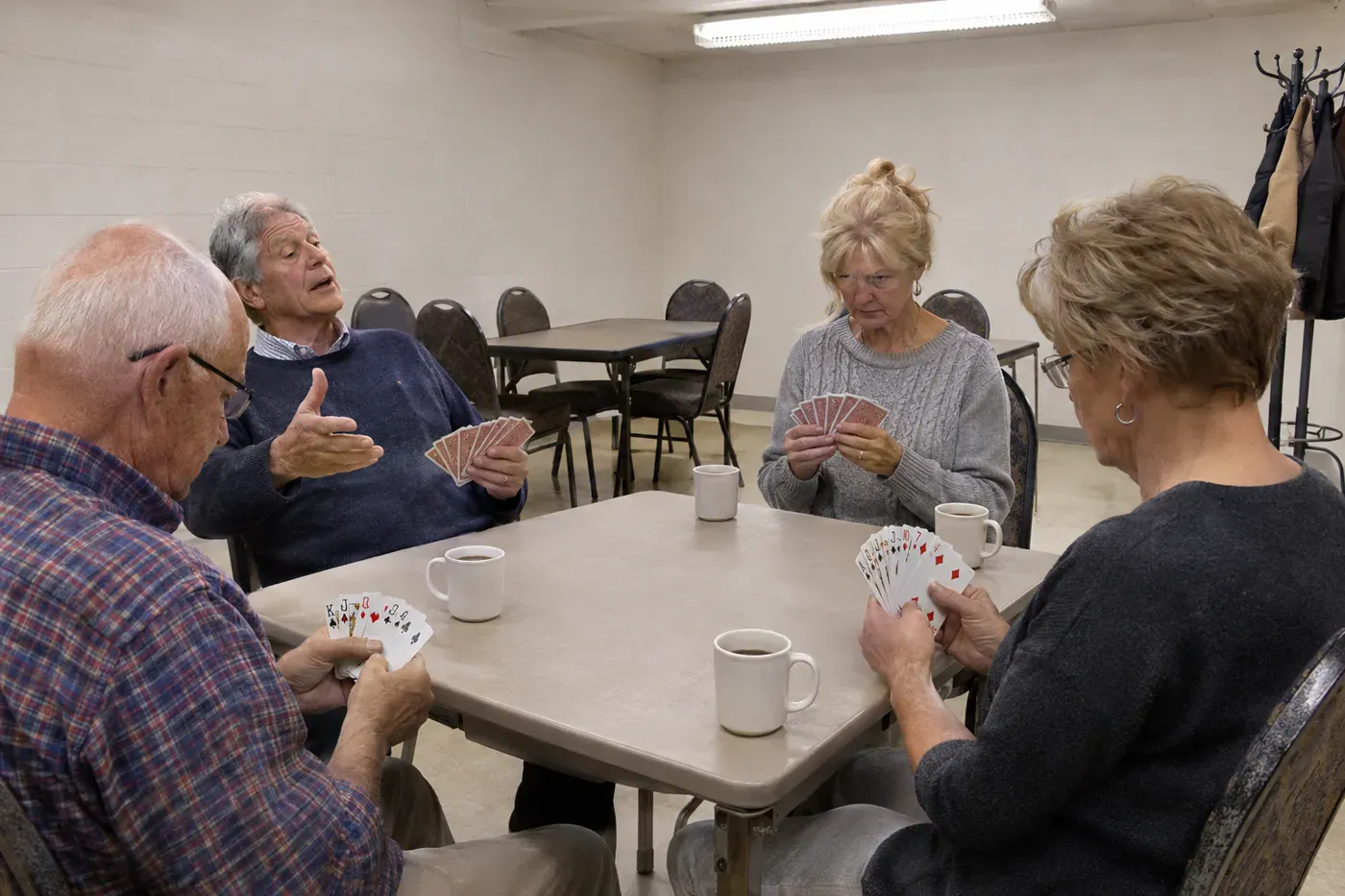
You may remember it from the next room: four people at a folding table, coffee cups, someone saying “one no trump” like it settled something.
A Scottish study followed over 1,000 people from age 70, testing them every three years until 79. Those who played more cards, chess, bingo or crosswords in their 70s declined less, especially in memory and thinking speed. Prof. Ian Deary at the University of Edinburgh called it “this small but detectable association with better cognitive ageing.” The study observed people, so it shows a link, not a cause.
The study lumped games together. If the benefit comes from games that make you think, bridge is the deep end of the pool.
The American Contract Bridge League has a Club Finder you can search by city or ZIP code. It also runs Trickstarter, a free 75-minute class on Zoom, with sessions on November 18, November 24 and December 9, Eastern time. A free guest membership lets you play in beginner-only games. Full membership is $39 for the first year, then $69.
You can learn your first hands on a laptop at home before anyone at a club watches you sort your cards.
#3 Take a beginner dance class
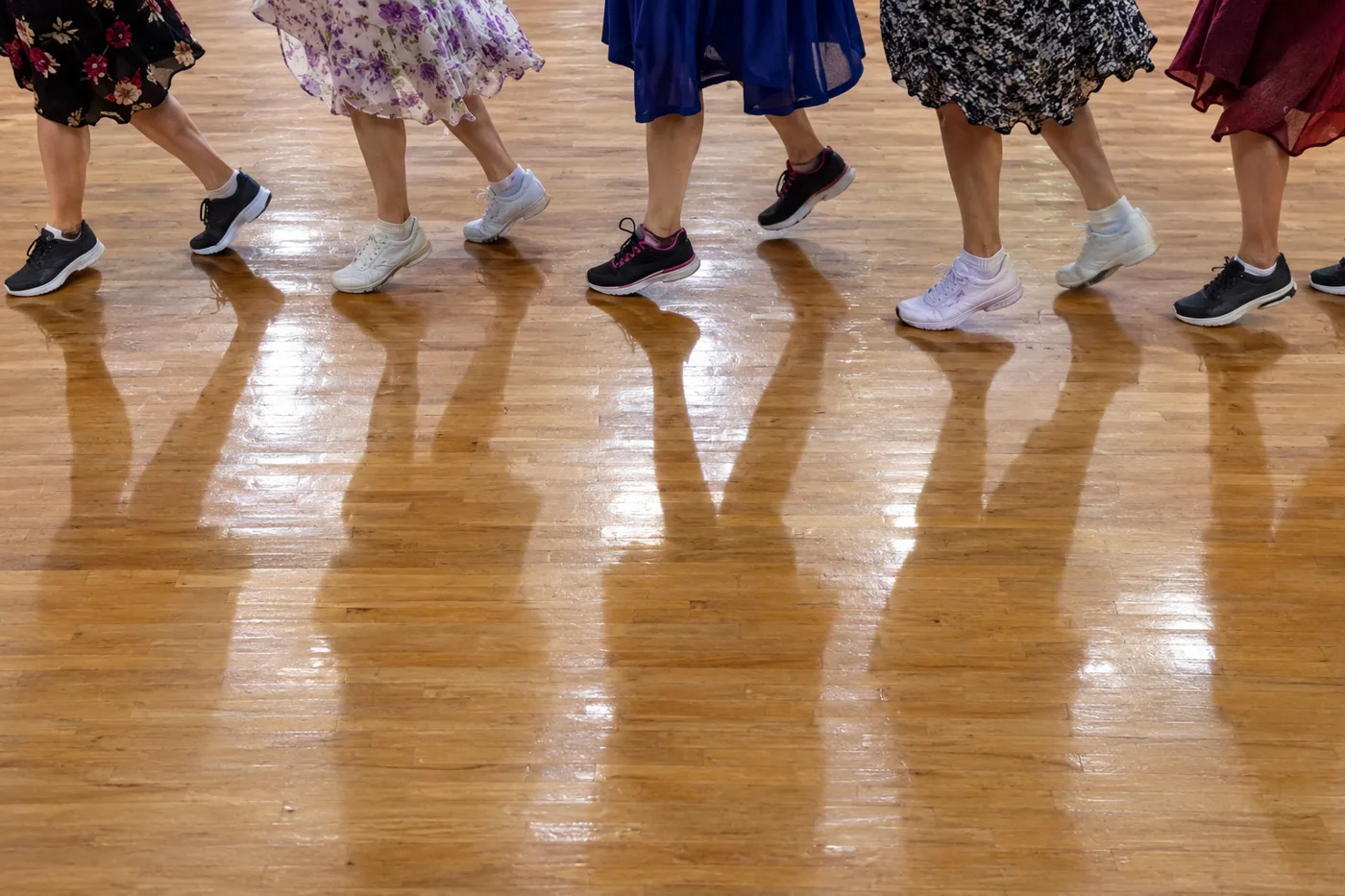
This one surprised us. A study followed 469 people over 75 for about five years, and 124 of them developed dementia. Reading, board games, playing an instrument and dancing were linked to lower dementia risk.
When the researchers looked at overall exercise, it showed no protective link. Dancing stood out on its own.
It’s an observational study, more than twenty years old, and the authors themselves called for proper trials. Nobody has proven the dancing did it.
Parks and recreation departments are where the beginner classes hide. Bangor, Maine ran Absolute Beginner Line Dancing: five Mondays, 9:30 to 10:30 in the morning, September 28 to November 2, 2026. You had to register ahead, and the fee was $30, the same for residents and non-residents.
Line dancing also needs no partner. Look for the words “absolute beginner” in your town’s catalog. They mean it.
#2 Teach someone the skill you already have
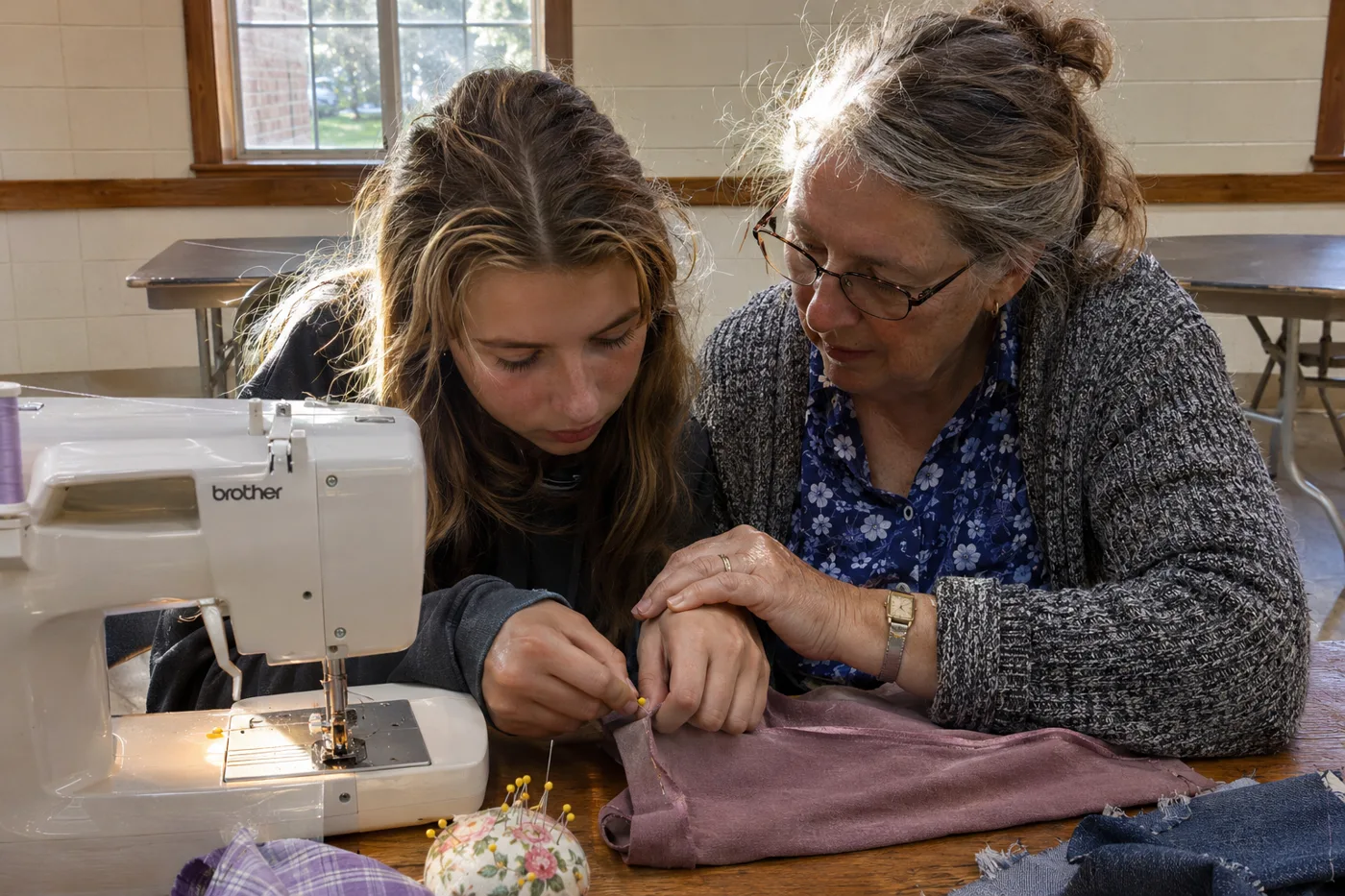
Think about what your hands do without asking: a quarter-inch seam, a set-in sleeve, a turned heel. Somewhere in your county there’s a kid with a project due at the fair and nobody at home who can show them.
“When people retire they underestimate how much wisdom and skill set they do have,” says James Conole, a certified financial planner who walks clients through retirement. He says passing skills on, to a neighbor, a friend, or someone at church or the community center, is among the most rewarding things he’s seen people do.
There’s a ready-made way in. 4-H project leaders teach skills “such as photography, horses, dogs, rabbits, sewing, computers or woodworking,” in Wyoming’s words. The screening there has “no out-of-pocket cost,” with a yearly sign-up and an orientation. Rules vary by state. In Placer County, California, project leaders give at least 6 hours of teaching a year and complete fingerprinting and a background check before leading a meeting. Your county Extension office is where it starts.
It may be the cheapest hobby here: you already own the supplies, and the skill took you decades. That sense of purpose doesn’t come in a kit.
Call the county Extension office, ask for 4-H, and say the word “sewing.”
#1 Swap one half-hour of TV for a hobby
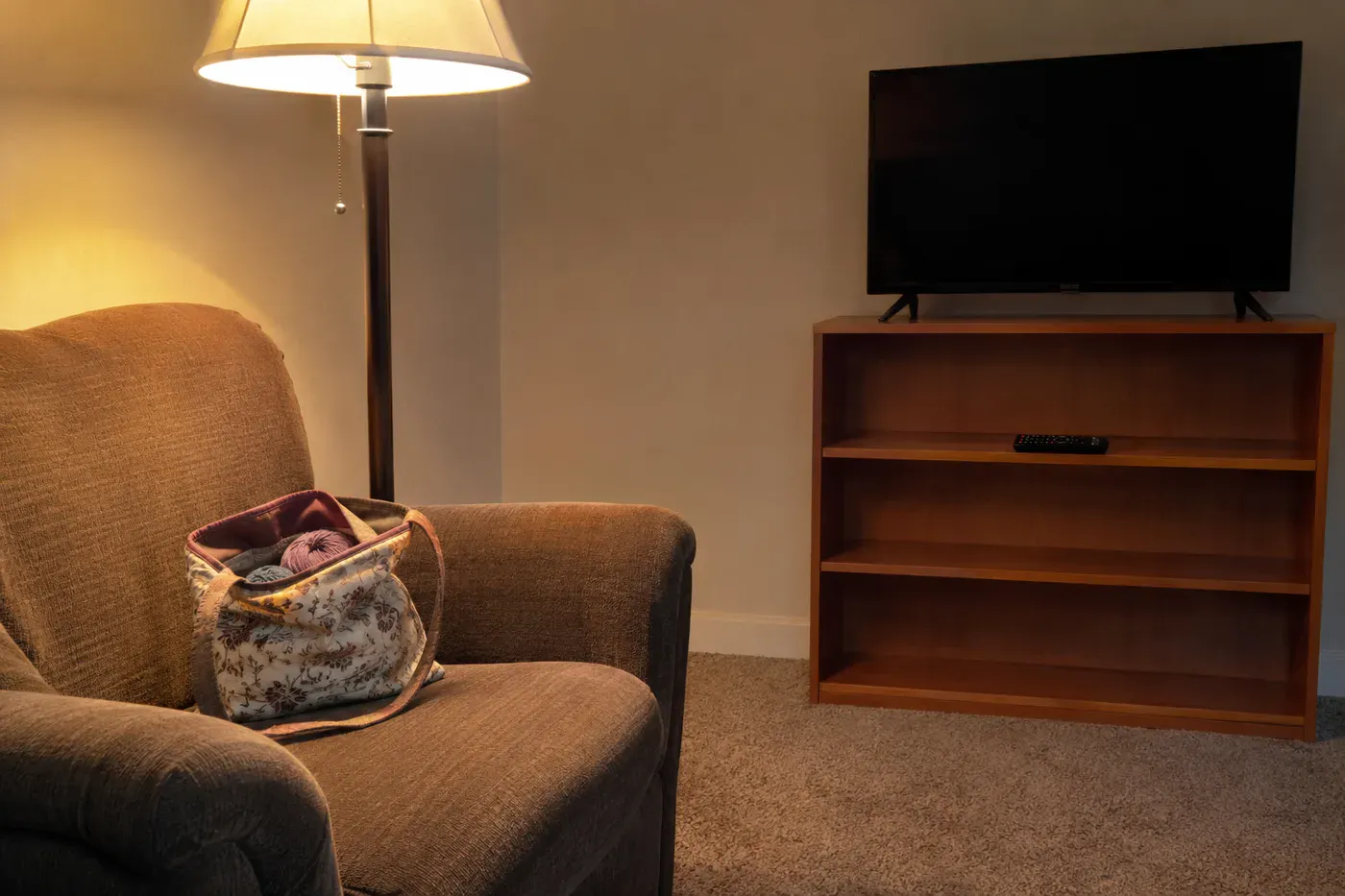
After supper, the remote sits on the arm of the chair and the project bag sits on the floor beside it. You know which one usually gets picked up first.
The government’s American Time Use Survey shows how lopsided it gets. In 2025, people 65 to 74 averaged 4 hours 12 minutes of TV a day. Crafts don’t even get a line of their own. The closest is a catch-all for leisure “not elsewhere classified,” which also has to cover leisure travel, and it averages about 26 minutes.
A day of free time in the 2025 survey, ages 65 to 74 – TV: 4 hours 12 minutes – Socializing: 33 minutes – Reading: 28 minutes – The catch-all for everything else, travel included: 26 minutes
We went further with the same table. People 65 to 74 have about an hour and 40 minutes more free time a day than people 55 to 64. About two-thirds of that extra time goes to the TV.
So start small. Move one half-hour from the remote to a project, and you’ve more than doubled that 26 minutes. Over a year, that’s about 182 hours. That’s most of the hours the Synapse quilters put into their whole 14-week course, and it clears Geda’s once-a-week bar with room to spare.
These are averages across everyone, including people who barely watch. If your evenings are already full of handwork, your half-hour is somewhere else.
Pick the half-hour least worth keeping: the rerun, or the news you already heard at noon. Put the project bag on the seat of the chair and the remote across the room. Whichever one you have to move to sit down, you’ll pick up.
The bottom line
Dr. Izzy Sealey has a way to choose that takes the pressure off. She calls it tiny experiments: give a few hobbies one or two sessions each, and keep whichever ones stick. She points to research finding that “engagement with your hobby is actually more predictive of all the benefits of it than anything else.”
By that measure, the best hobby is the one you’re still doing in March, whatever study it came with.
James Conole puts the bigger version this way: “When you retire you’re really retiring into something as opposed to just retiring out of something.”
So, Monday: pick two that made you curious, put the first session of each on the calendar, and notice which one you reach for when nobody’s asking.
Bonus: Five more things worth checking
Look at the light over your work chair. If it’s the ceiling fixture, the Daylight Company 5″ LED Magnifier Floor Lamp is $170.98 at Fat Quarter Shop. It magnifies 2x, has a gooseneck, stands about 44 inches tall and converts to a table lamp.
Before you knit or sew for charity, read Project Linus’s rules. It takes only “NEW HANDMADE, WASHABLE” blankets free of pet hair, smoke and buttons, and many chapters accept them by mail. Some libraries host groups, like Larchmont, New York’s free Tuesday morning knit and crochet circle.
Ask your library about memoir workshops early. Des Plaines, Illinois ran a four-week OWL (Older Women’s Legacy) memoir writing workshop in 2026 that filled up, and finishers got a printed booklet of their own writing.
If you’d rather talk than write, the free StoryCorps app helps you plan questions, record a conversation on your phone and send it to the Library of Congress.
For family history, FamilySearch is free from home. Ancestry Library Edition is free too, but only on library computers or library Wi-Fi since home access ended after 2021, so bring your notes to the branch.
Questions people also ask
Which hobbies are best for memory?
No single hobby has been proven best for memory. In the largest controlled test, the Synapse Project, adults who spent about 15 hours a week for 14 weeks learning a demanding new skill improved memory more than people who only socialized. The skills were quilting on computerized machines and digital photography. Mayo Clinic data also link crafts, computer use, games and social activities done once or twice a week to a 22% to 30% lower risk of new memory trouble, though that’s a link rather than proof.
Do brain games and puzzles actually keep your mind sharp?
The evidence is mixed, and mostly shows people get better at the specific thing they practice. In the ACTIVE trial of 2,802 adults, ten training sessions improved the skill that was trained, with effects lasting through five years. In 2016, Lumosity paid $2 million to settle Federal Trade Commission charges over unfounded claims. A 30-day jigsaw trial found no improvement in overall thinking.
Does knitting alone count, or does a hobby need to be social?
Both count, but they seem to help in different ways. In a Mayo Clinic study of people 85 and older, crafts and social activities were each separately linked to lower risk of memory and thinking trouble. In the Synapse trial, a social-only group didn’t improve memory, and a choir trial found less loneliness but no gain in thinking skills.
Is it too late to learn to paint or play an instrument?
Small studies suggest it isn’t. Recently retired adults who took up painting in a 28-person German study showed better-connected brain networks and higher resilience after ten weeks. At UC Riverside, adults aged 58 to 86 took three to five classes at once for about 15 hours a week. Researcher Rachel Wu said they “bridged a 30-year difference in cognitive abilities after just six weeks,” though the groups were small.
How much does it cost to start knitting, quilting or watercolor?
From shop pages we checked in 2026, a beginner knitting or crochet class with materials included ran $35 to $95. A beginner quilting series ran $124.95 to $140, and one shop charged $49.95 extra to rent a machine. A Winsor & Newton Cotman pocket watercolor set with a brush was $26.94 at FineArtStore.com.
Where can I find hobby classes near me?
Start with your local yarn or quilt shop, your county Extension office, your parks and recreation catalog and your public library. For particular crafts and games, there’s the Modern Quilt Guild map, the ACBL Club Finder, the National Wood Carvers Association map and SingUnited choruses. There are also 126 Osher Lifelong Learning Institutes in all 50 states, running short courses with no tests or homework.


