Hems, zippers, memory quilts and more, with what real shops charge for each and a clock to check your own pay.
Somebody’s khakis are folded over the back of a dining chair, a safety pin marking where they want the hem. You’ve been the unofficial family seamstress for thirty years. The choir director’s slacks, a neighbor’s work pants, somebody’s first suit for a graduation. You never named a price because nobody asked.
They’d have paid. The best sewing jobs from home may be the ones you’ve been doing for free, and shops and cost guides already list a price for most of them.
#16 Hemming pants, jeans and dress slacks
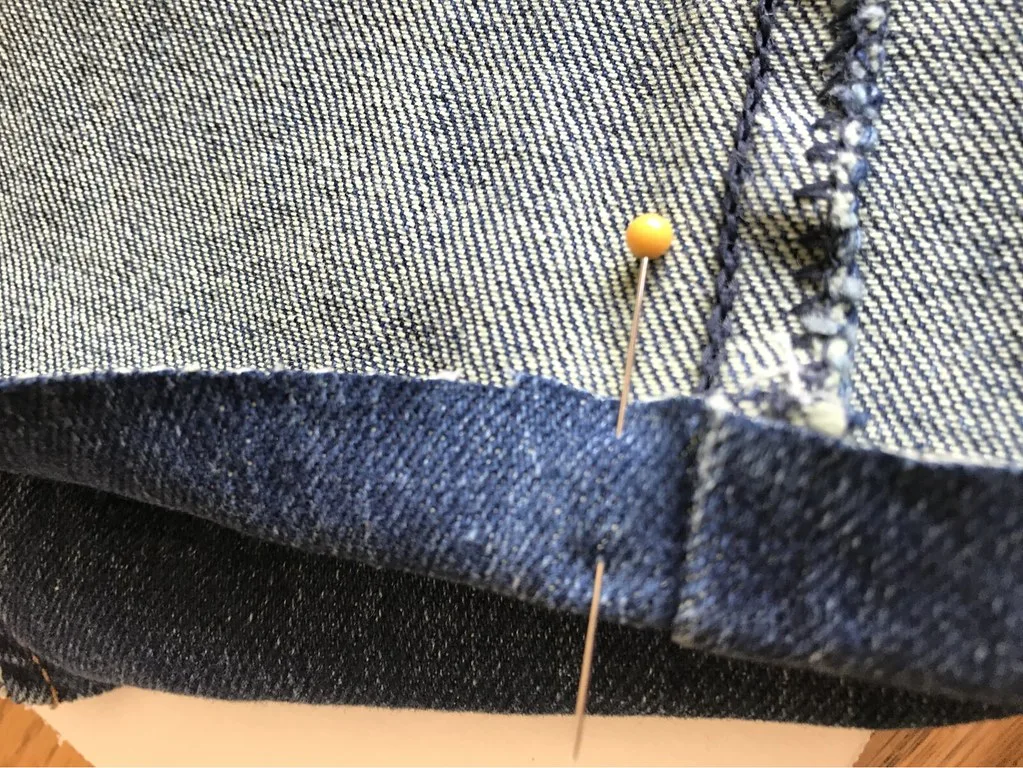
Charge by the kind of hem, because the shops do. A consumer cost guide puts the average for jeans with the original hem kept at about $28, and lined dress pants at about $30. That’s nearly double a plain casual hem.
Here are two hem lists, a continent apart:
| Hem | Bob’s Laundry & Dry Cleaning, Sarasota, FL | Stitches-N-Britches, McKinleyville, CA |
|---|---|---|
| Basic or visible hem | $15 to $25 | $20 to $22 ($24 with hem removal) |
| Original jean hem | $25 to $40 | $25 to $28 |
| Invisible hem | not listed | $25 |
| Lined slacks | $35 to $60 or more | $45 |
| Cuffs | $25 to $45 | not listed |
Prices vary by town, and two shops aren’t a national rate. Bob’s and Stitches-N-Britches both charge more for lined pants than for a basic hem.
Now the clock. An employed tailor’s median pay in May 2023 was $17.62 an hour. A $20 hem only matches that wage if the whole job, pinning to pressing, takes 68 minutes or less. To earn what the top tenth of employed tailors make, you’d have 45 minutes. Thread, gas and taxes come out of that too, so time your next three hems before you settle on a price.
Turn down the hem a customer asks to have back by Saturday unless you charge for the hurry. The cost guide says rush work in 24 to 48 hours usually adds 25 to 50 percent, and the Sarasota cleaner tacks on $10 to $25.
Some dry cleaners employ their own tailors: about one in six employed tailors works at a dry cleaner’s. One cleaner’s books from 2010 even carried an “alteration contract” expense line, a hint that some of the sewing goes out the back door. If the counter near you is backed up, ask whether they send hems out. It costs you nothing.
What employers pay (a floor for your rates) – Tailors, dressmakers and custom sewers: median $17.62 an hour; the lowest-paid tenth earn under $13.25, the top tenth over $26.83 (May 2023) – Upholsterers: median $20.54. Hand sewers: $15.50 – These are employee wages (May 2023) – Your rate has to clear them, because you also pay for the machine, the thread and a 15.3% self-employment tax
#15 Prom dresses and formalwear with a deadline
She’s at your door with a garment bag, the store tag still looped on the zipper pull. The dress is three inches too long, the straps slide, and the dance is in less than three weeks.
David’s Bridal’s prom guide gives $30 to $80 for hemming and $75 to $200 for a typical set of alterations. Several changes together can run $100 to $300 or more.
The same guide advises starting to look for a seamstress 8 weeks before the dance, because seamstresses fill up in prom season. Thimble, a platform that matches customers with independent seamstresses, says common prom work starts at $50 and suggests booking just 2 to 3 weeks ahead.
Your calendar sits between those two pieces of advice. The 8-week families get your regular price. The 3-week families are rush jobs. David’s warns that rushed work can cost 50 to 100 percent extra.
Count fittings before you say yes. David’s plans the first at 6 weeks, the main work around 4 weeks and a final fitting 2 weeks out, and most dresses need two or three. A dress that shows up with ten days left gets one fitting, maybe two. Take the hem. Turn down the bodice rebuild.
#14 A coat zipper that finally split
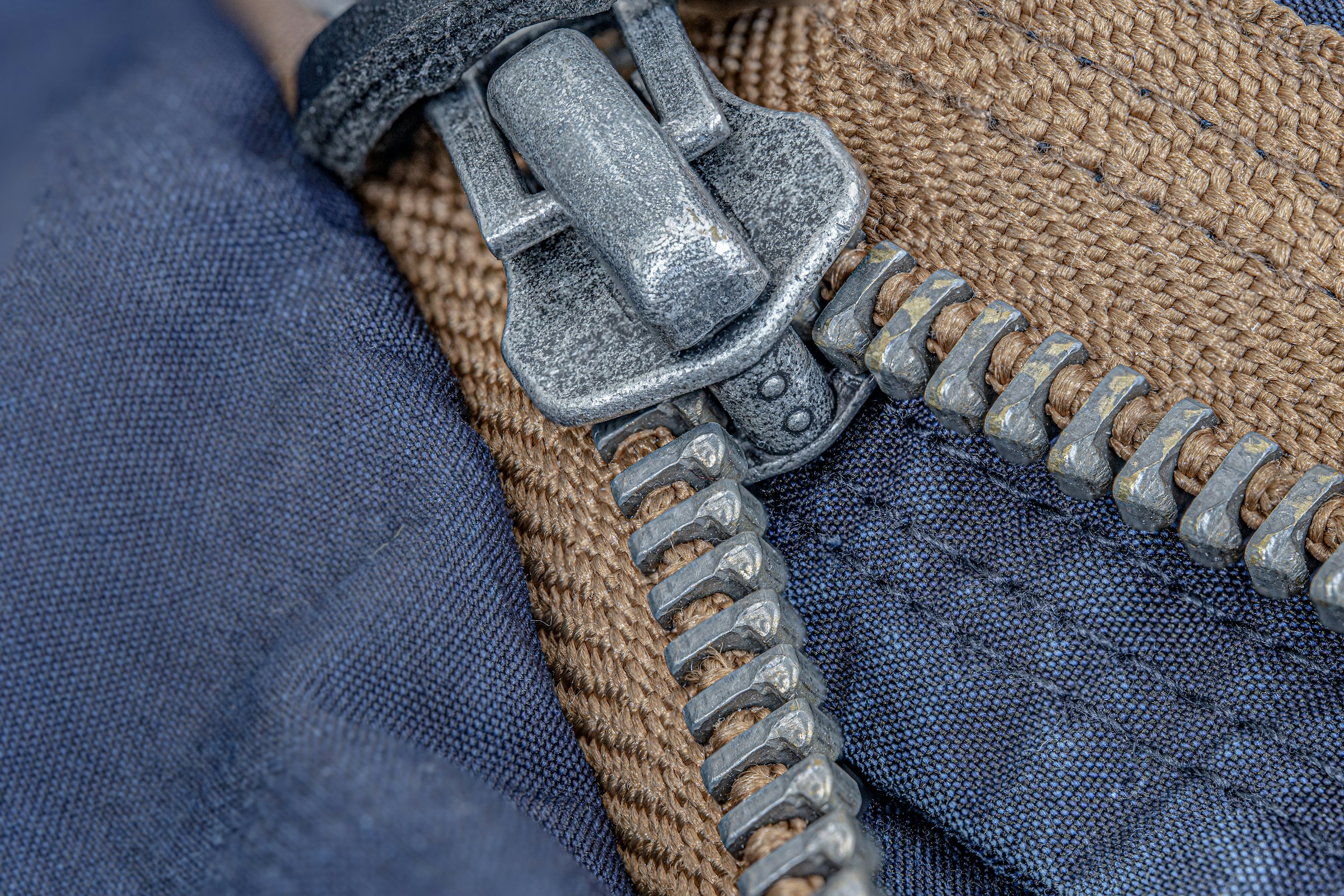
Price it by the garment, and check the slider before you rip anything out.
- Pants zipper: $15 to $35 in SewingLocal’s 2026 price guide; $25 at Stitches-N-Britches
- Coat or vest: $30 to $60 at Stitches-N-Britches; jackets $35 to $75 in the guide
- Waist-length unlined jacket: from $55 at Mid City Tailors in New York and Red Bank, New Jersey
- Three-quarter-length coat: from $75 there, and that’s with a plain one-way plastic zipper
Mid City charges extra for metal, two-way and specialty zippers. A two-way on a parka is a different job from a plain one on a fleece, and your price should say so.
The quiet money is in the slider. When the teeth are fine and only the pull has worn loose, Stitches-N-Britches charges $6 to replace just the slide or stopper. The customer keeps the coat.
Did you know?
The median age of sewers, dressmakers and tailors is 54, and fewer than 17,000 work in business establishments, down 30% in a decade, according to the Associated Press.
#13 Taking in or letting out a waistband
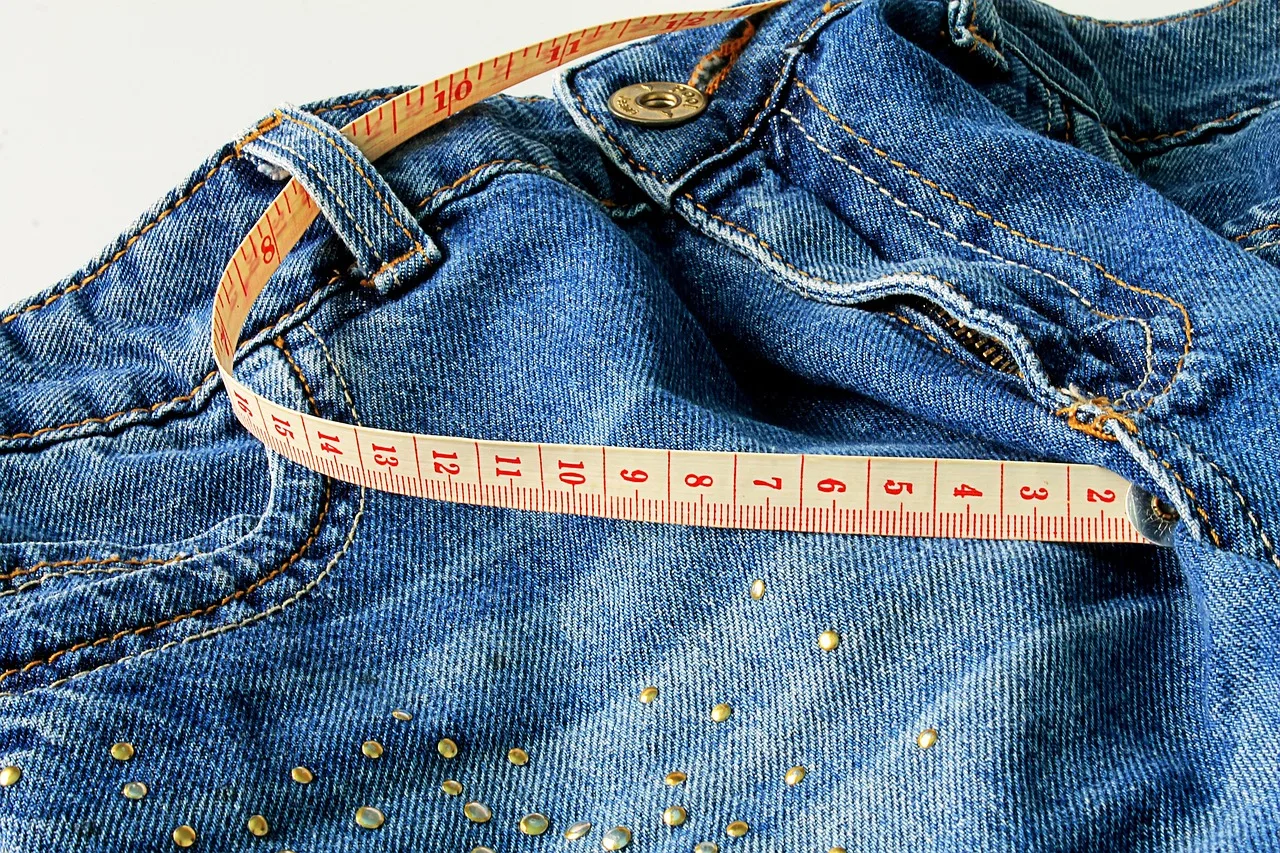
SewingLocal’s guide puts this at $15 to $45 for a waist on pants or a skirt. Demand for it is climbing.
An Associated Press story from April 2026 says weight-loss drugs such as Zepbound and Wegovy are driving more requests for adjusted waistbands, tapered sleeves and other resizing. Someone who drops two sizes doesn’t want to replace a closet of good wool trousers.
Ask one question before you quote: are you still changing size? If the answer is yes, take in the waist now and talk about the seat and legs later, or you’ll be redoing your own work in three months. You’ll know the moment you open the back seam whether there’s enough allowance to let anything out, and when there isn’t, say so up front. Jeans are their own case. Denim Therapy, a jeans-alteration shop, lists an estimated $55 to take in just the waist and $60 for a denim waistband extension, and says “It is not possible to make jeans larger or longer (beyond an Undone Hem).”
#12 Hemming curtains and drapery panels
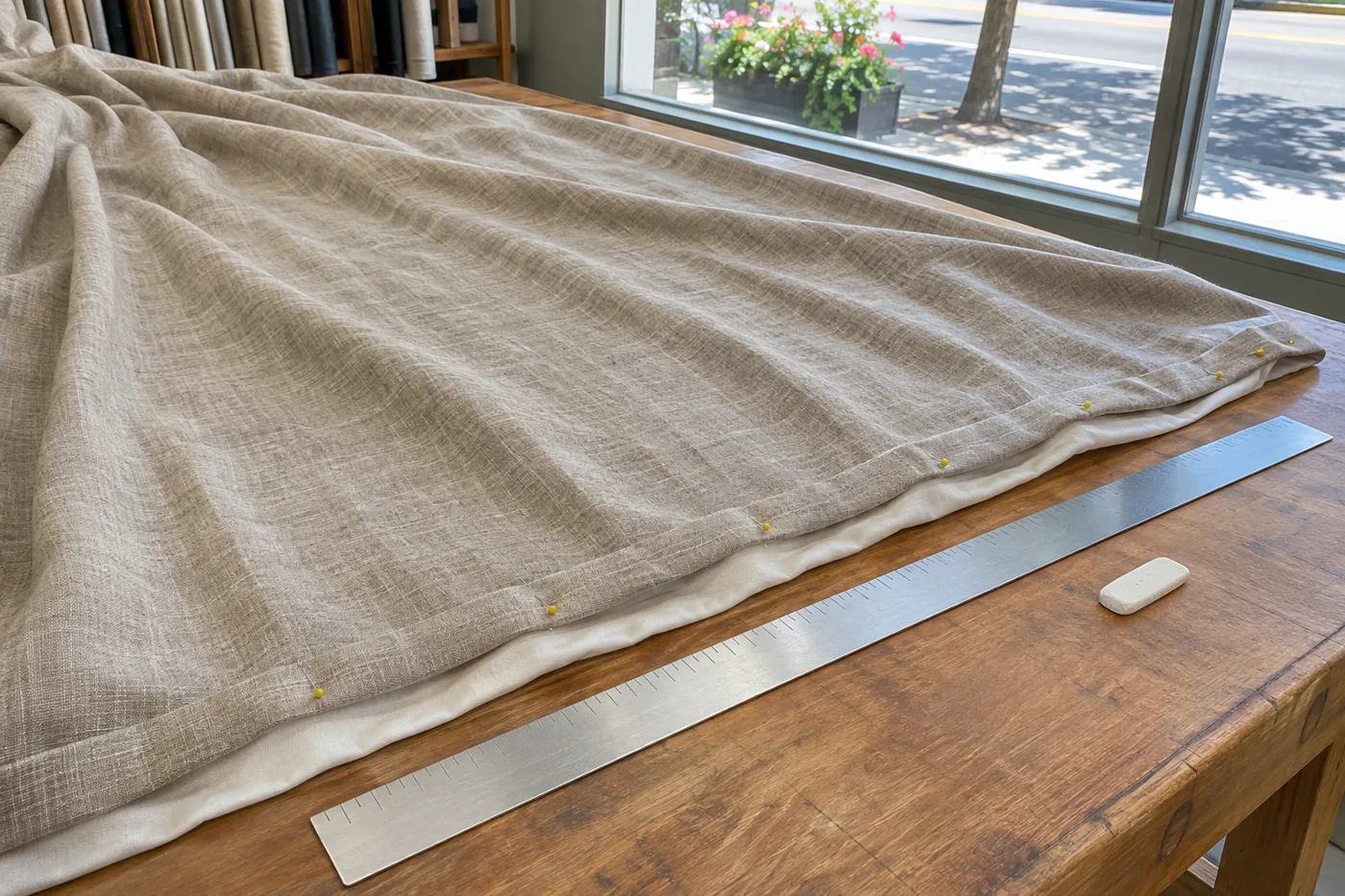
Quote per panel, and price by the lining.
| Panel | Stitches-N-Britches (up to 54″ wide) | Consumer cost guide |
|---|---|---|
| Unlined | $18 | $25 to $60 |
| Lined | $22 to $30 | $45 to $80 |
| Blackout or thermal | not listed | $45 to $80 |
| Silk, velvet or interlined | not listed | $60 to $120 or more |
The guide, from ThePricer, says a two-panel window typically runs $50 to $160.
The small California shop and the national guide sit far apart on lined panels, so look at what your local shops charge before you pick a side.
Then count the windows. A living room bay with six interlined panels is a $360 job at the bottom of the guide’s range, and that’s before anyone asks you to shorten the sheers.
 You might also like15 Checks That Tell You What an Old Quilt Is Really Worth
#11 Scout badges and uniform patches
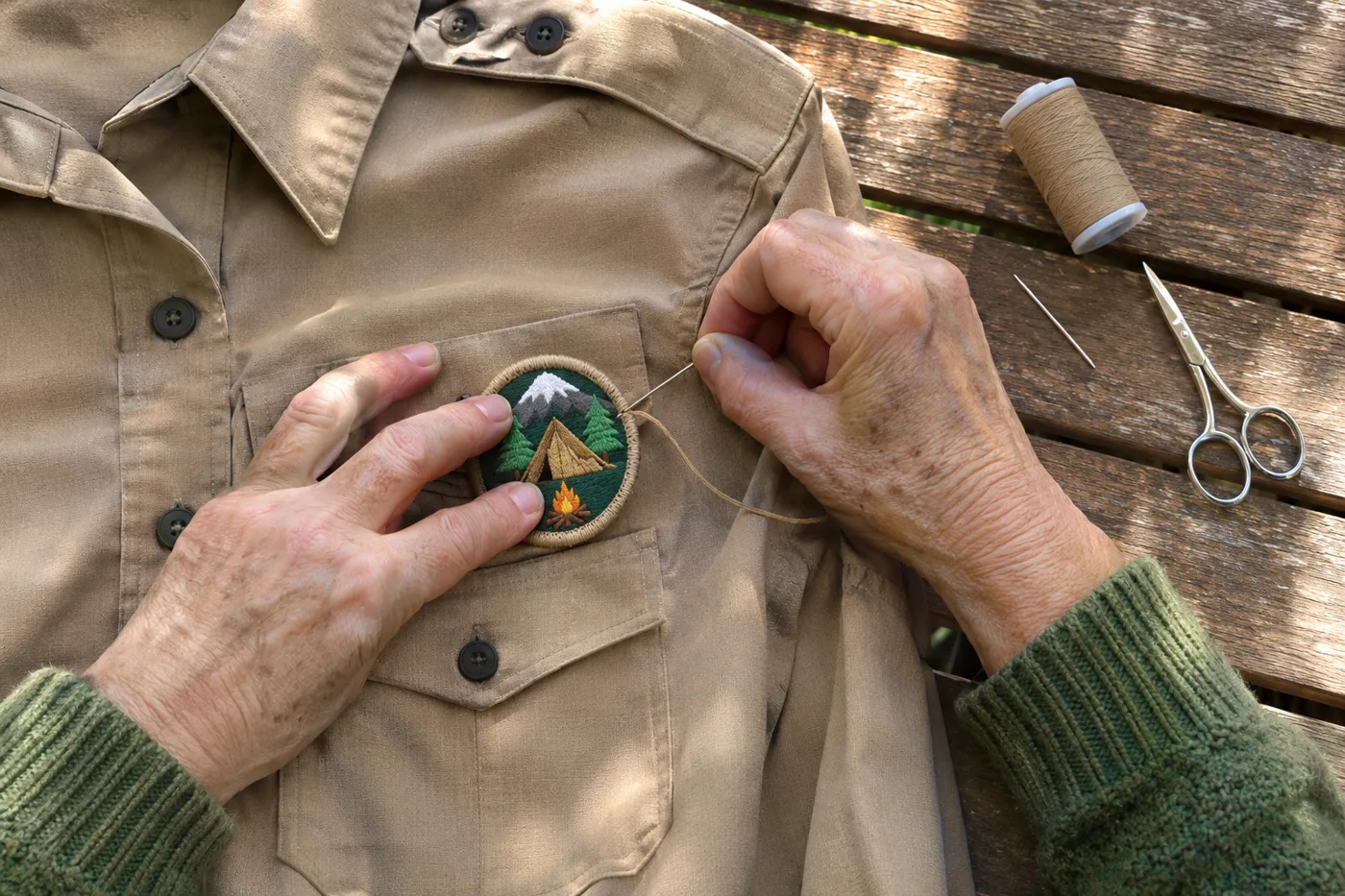
Five dollars a patch is what the scouts’ own shop charges. The Steve Matthews Scout Shop in Austin lists it plainly: “$5.00 PER PATCH.”
That’s a flat, easy price to quote to a scout leader holding a sandwich bag of badges after a ceremony. It only pays if you’re fast. A former alterations-shop worker put it bluntly on Reddit: “I’m not super fast except for patches, and I couldn’t make enough money to pay for the gas to get to work every day.”
Military patches come with rules. On the Army’s combat uniform, soldiers don’t sew the shoulder unit patch on at all. It goes on the hook-and-loop pad. On the Army Green Service Uniform coat, it’s sewn centered on the left sleeve, half an inch below the top of the shoulder seam.
That comes from an unofficial site that reproduces the Army’s guide, and individual units can be stricter. Have the soldier confirm placement before you thread a needle.
#10 Binding quilts for other quilters
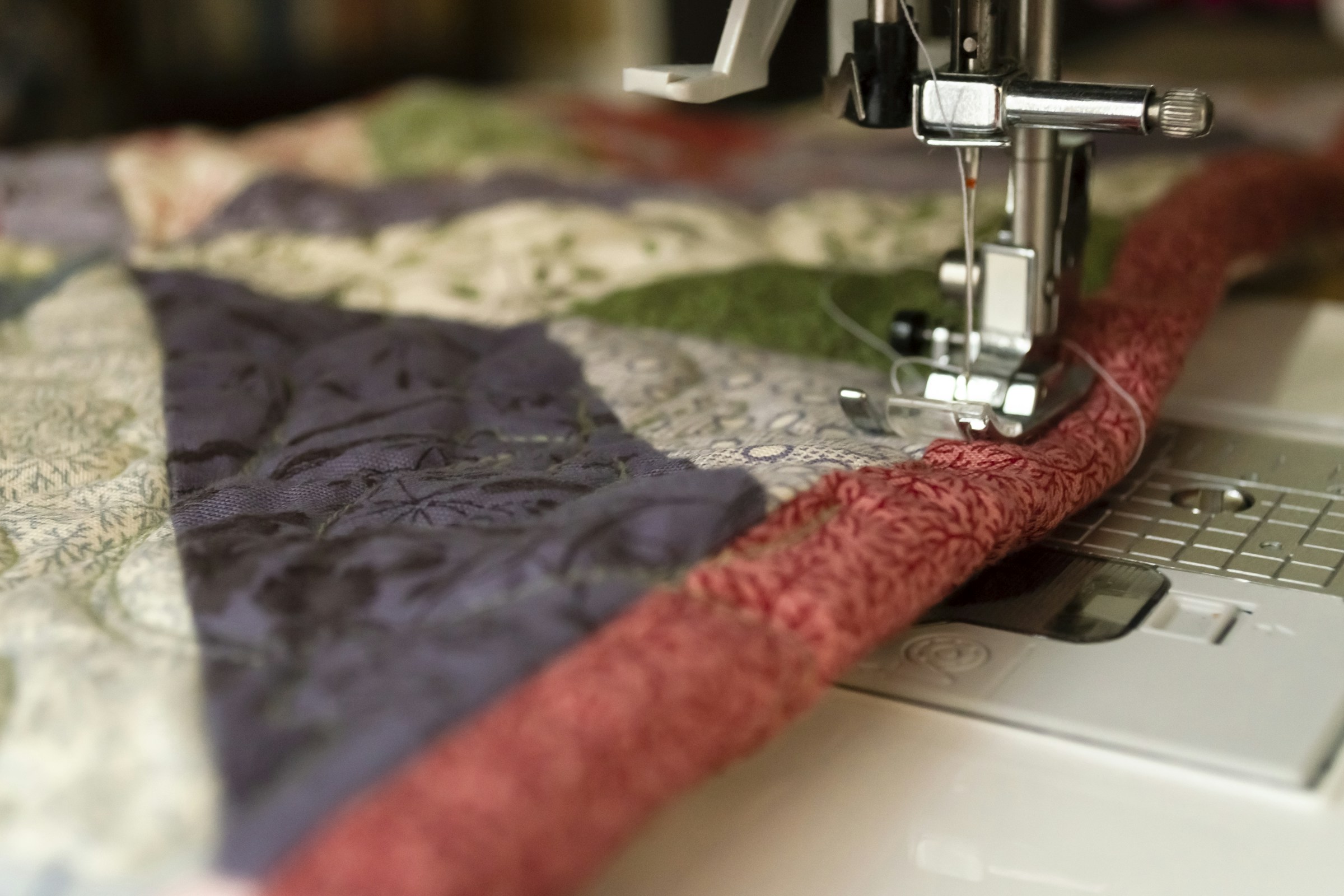
Quote it by the linear inch, the way these shops do. Two shops, Sew Em Quilting and Quilter’s Window, land on the same rates: 15 cents an inch for machine binding and 25 cents for binding machined to the front and hand-stitched to the back.
Work it out for a queen, 90 by 108 inches. That’s 396 inches around, so about $59 by machine and about $99 hand-finished. If you also cut and make the binding strips, Bubbas Quilting & More in Long Beach charges 30 cents an inch.
Small quilts are where a minimum saves you. A 36-inch-square baby quilt is only 144 inches. Sew Em’s minimum is $25 and Bubbas’ is $35, so the baby quilt pays the minimum and you aren’t threading up the machine for twenty dollars.
Two rates catch people out. Quilter’s Window charges 30 cents an inch to hand-finish a binding the customer already sewed on, more than its own complete job. Bubbas charges $25 an hour for hand finishing rather than by the inch.
Your customers are standing at the quilt shop counter with a finished quilt they’re tired of looking at. Ask the shop whether it keeps a list of finishers.
Before you take the first dollar – Self-employment tax starts once your net earnings for the year reach $400. On $5,000 of profit it’s about $706. – Registration, licensing and permitting are determined by local governments, and zoning can still apply to a home business. Check with your city or county and your state. – Ask your insurance agent about business coverage. Washington State’s insurance commissioner says a homeowners policy may not meet a home business’s needs and lists “business property of others,” such as customers’ items, as coverage to consider. Most insurers that offer homeowner coverage may offer a rider or extension for a home business. – Whether alterations carry sales tax depends on your state.
#9 Wedding gown hems and bustles
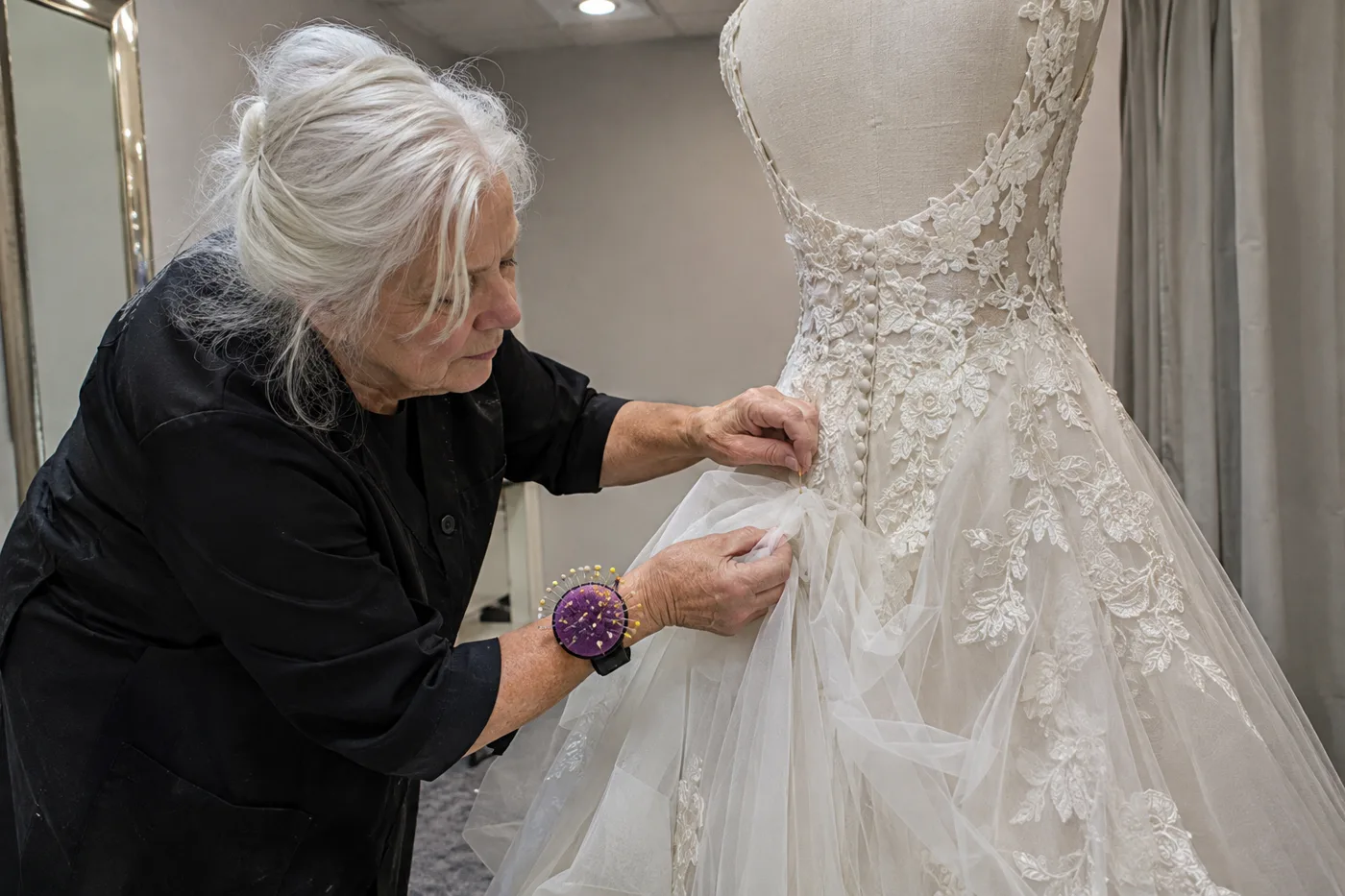
Two bridal jobs can look alike on the hanger and pay four times apart. In Cloud Bridal’s 2026 price benchmarks, written for bridal shops, a simple bustle costs about a quarter of what a layered hem does at the middle of the market.
| Job | Mid-market | Value to luxury |
|---|---|---|
| Simple bustle (up to about 3 points) | $75 | $60 to $100 |
| French or multi-point bustle | $150 | $120 to $205 |
| Single-layer hem | $175 | $140 to $235 |
| Multi-layer or horsehair hem | $300 | $240 to $405 |
| Taking in the sides | $110 | $90 to $150 |
| Rush fee (under 6 weeks) | $150 | $120 to $205 |
Cloud Bridal prices a multi-layer or horsehair hem well above a single-layer hem, and the guide calls its figures starting points, not fixed prices.
So count before you quote. Lift the skirt, count the layers, find the braid, and price the hem from that, then add the bustle, then the take-in.
If you’d rather not find customers yourself, Thimble will match them with you, and it adds a 5% booking fee to the seamstress’s quote.
#8 Recital costumes and stage show repairs
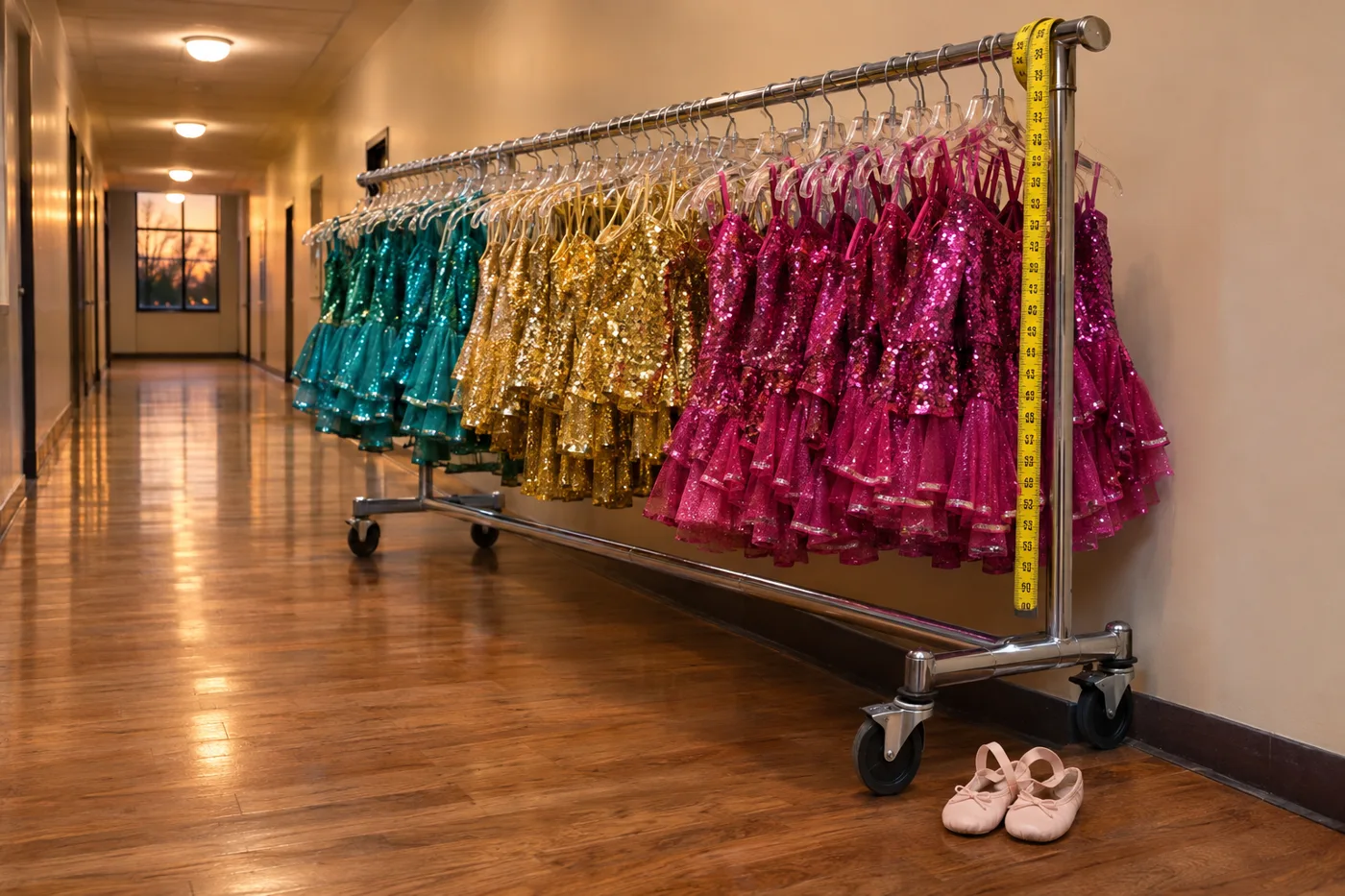
Dance studios have a schedule you can set your spring by. Recital costumes arrive at the end of March or early April, fittings happen in April and altered costumes go back to dancers in May, Dance Teacher magazine reported.
Two payment ideas from studios are worth knowing. Studio owner Denise Hawkins pays one or two parent seamstresses in tuition, worth roughly three months of it, Dance Teacher reported in 2012. And Kathy Blake, of Kathy Blake Dance Studios, added at least $20 to $30 to each costume for sizing, fitting, alterations and shipping, the magazine said in 2014.
Then compare the hourly rates, because they’re far apart:
- Custom costumes, your own business: $55 an hour at Correen’s Creative Designs in Brighton, Michigan, plus fabric, trims, a notions fee of about $10 an order and a non-refundable deposit up front
- A studio’s own seamstress: $15 to $20 an hour at Kathy Blake’s studios (Dance Teacher, 2014)
- A theatre’s seasonal stitcher: $15 to $18 an hour for American Music Theatre in Lancaster, Pennsylvania, sewing at home on its Christmas show, alterations and repairs from men’s suits to gowns (the posting is from 2023)
The theatre job is seasonal, and the work comes to your door. Correen’s charges $55 an hour, more than three times the theatre’s $15 to $18 wage. That is a business rate before your own costs, not take-home pay. Correen’s does not take zipper repairs, mending, jeans hems or men’s tailoring.
Did you know?
Americans were forecast to spend a record $13.1 billion on Halloween in 2025, the National Retail Federation said, and $4.3 billion of it was expected to go on costumes.
#7 Teaching beginner sewing lessons
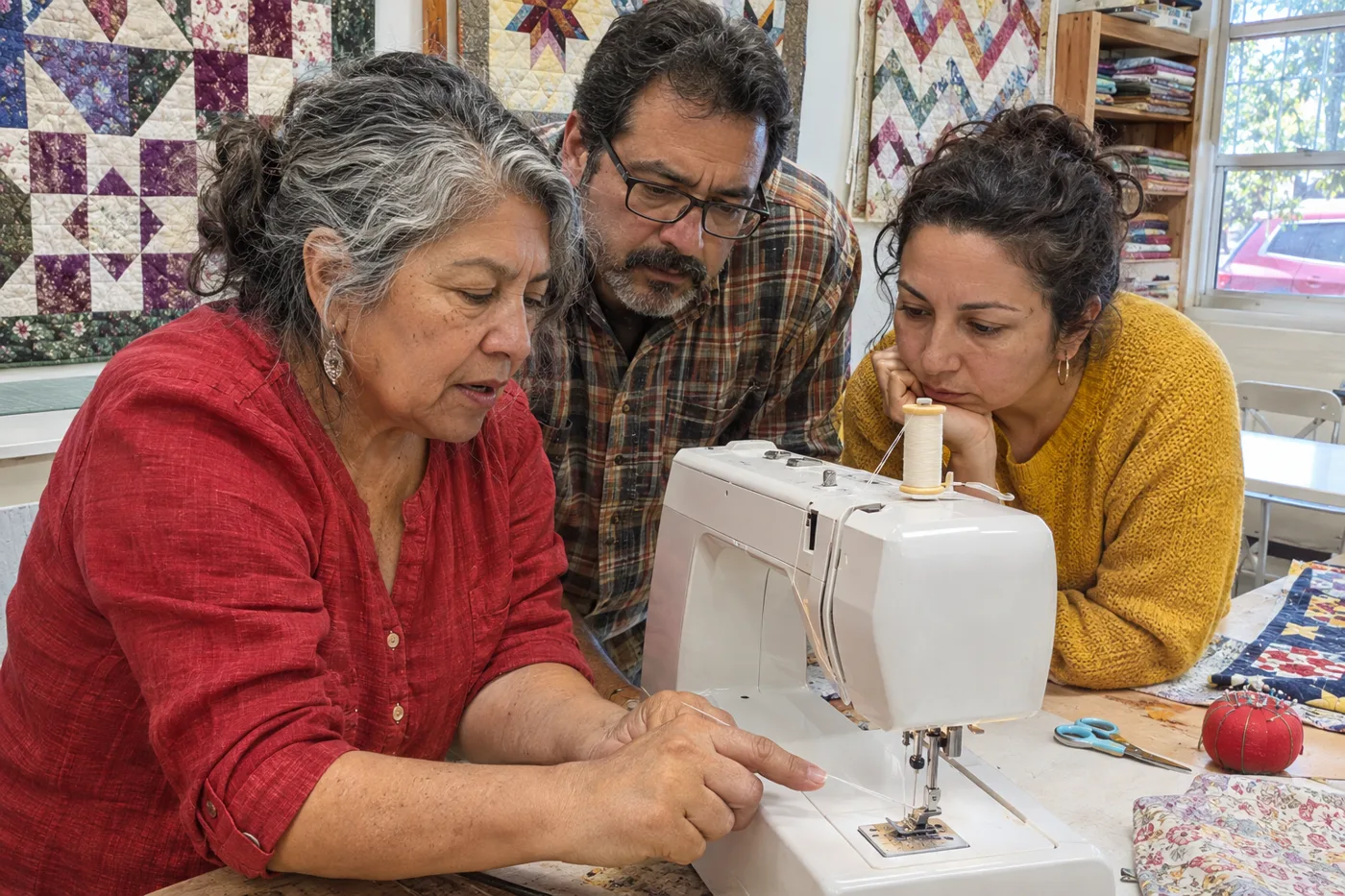
Private sewing lessons average $80 an hour nationally, Superprof’s 2026 cost guide says, with a range of $50 to $120. Group classes average $55 an hour. New York lessons run $90 to $150, Houston $50 to $90.
What you’d be selling is the thing you already carry around in your hands: how to set a sleeve, why the bobbin is nesting, when to grade a seam.
“When you teach, you can teach several students at the same time, and they love the product because they made it.” A sewist who moved from selling to teaching, in TikTok comments
In the same thread, another sewist says fewer people complain about the price. Lessons feed the rest of your sewing, too. The student who learns to hem her own jeans is the one who brings you her prom-season niece.
Where to start is up to you: a quilt shop’s classroom, a library meeting room, your own sewing room. If you’re thinking of a public school classroom, check your state’s rules. Pennsylvania, for example, certifies teachers of family and consumer sciences courses in grades PK through 12.
 You might also like17 Things to Check Before You Sell (or Give Away) an Old Sewing Machine
#6 Finishing needlepoint into pillows and ornaments
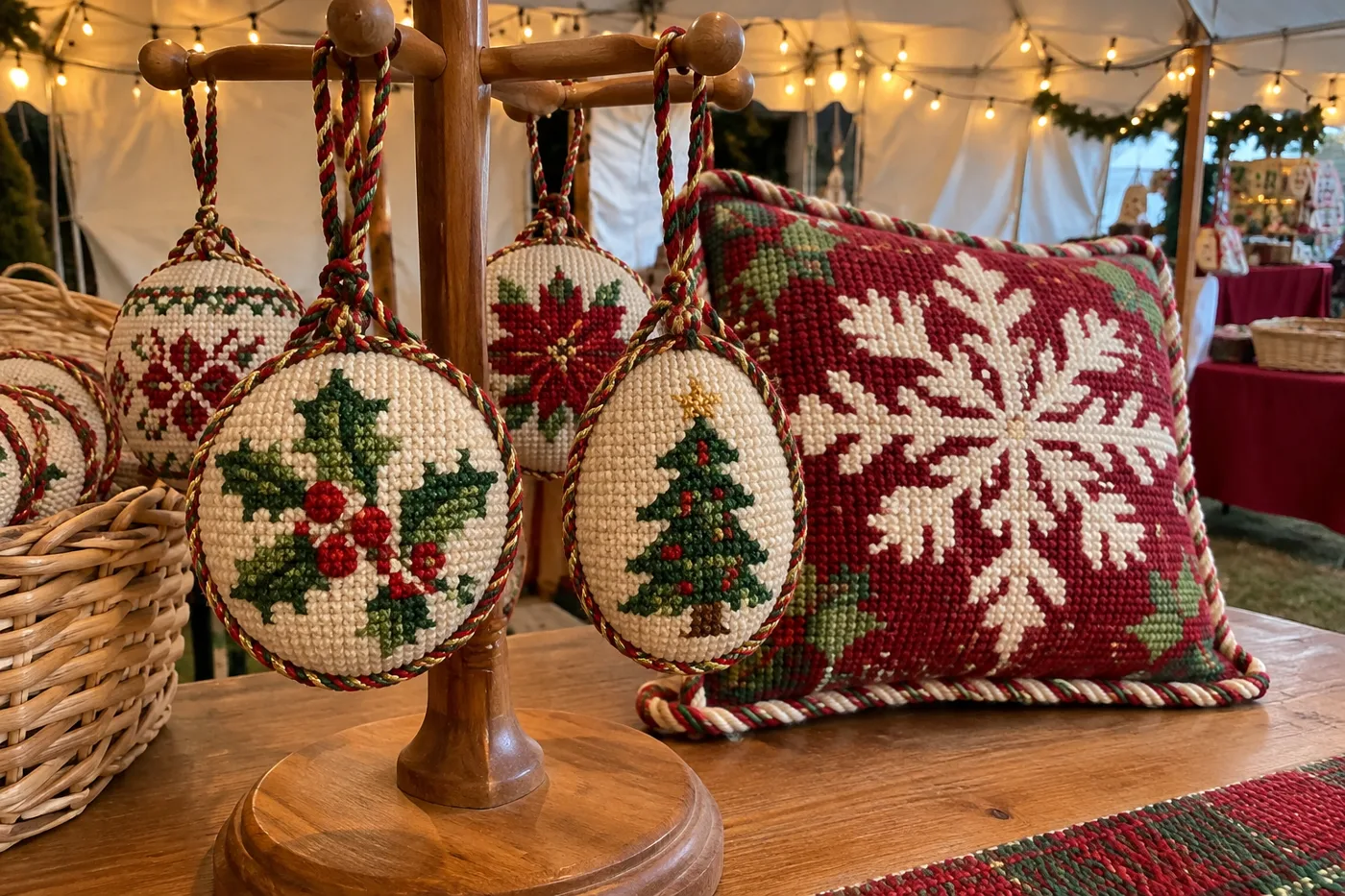
Needlepointers stitch a canvas for months, then pay someone else to turn it into the thing.
Typical professional finishing prices, from Tent Stitch’s guide:
- Flat ornament: $40 to $95
- Stand-up piece: $75 to $150
- Pillow: $100 to $250 or more
STITCH, a needlepoint shop in Louisville, Kentucky, lists finishing starting at $68 for an ornament, $200 for a pillow and $275 for a stocking. Because of demand, it says, “our finishers are unable to offer any finishing deadlines.”
Tent Stitch calls a “three-to-six-month turnaround on custom work… normal, not a red flag.” Autumn is the busiest season, and experienced stitchers “send holiday pieces out in early summer.”
That’s your rule for saying no. A Christmas stocking canvas that lands on your table in November with a December 20th deadline is the one to turn down, however nicely they ask.
How to spot a piecework scam – Honest employers “will never ask you to pay to get a job,” the Federal Trade Commission says. – Warning signs: paying for a starter kit, “training” or a deposit before you start – In 2001 the FTC charged a Miami company that told home bracelet assemblers they could “potentially earn $360 weekly up to $720 or more per week” after paying a deposit of about $44. It then often rejected the finished bracelets as not meeting its specifications and refused to pay or refund the deposit.
#5 Turning a wedding gown into a christening gown
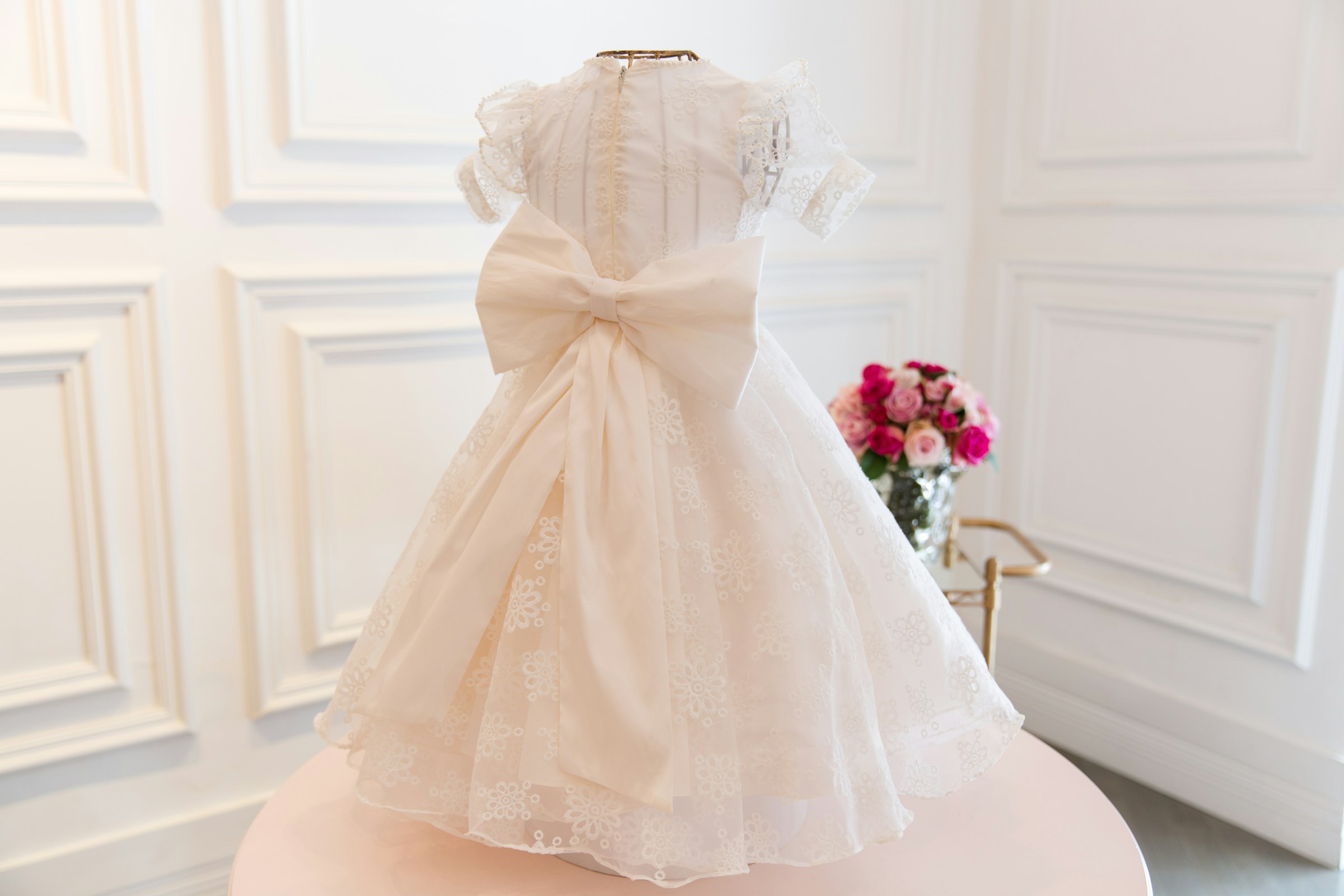
The gown comes out of a box that’s been under a bed for thirty years, ivory gone to cream. Before you cut anything, you sit with a seam ripper and take the lace off. At Fairy Godmother Creations, lace and beads often come off “one sewn thread at a time.”
That’s what you’re charging for. The shop says an average girl’s christening gown takes about 18 to 20 hours. Most of its orders take 6 to 8 weeks from receiving the dress.
Renee Sopko, a seamstress in Milford, New Jersey, starts conversions at $350, with 60 to 90 days’ turnaround depending on the time of year.
$350 is where one New Jersey seamstress starts. A gown with beading on every inch of the bodice is a longer job than a plain satin sheath, and the quote should come after you’ve turned it inside out.
#4 Repairing a grandmother’s worn quilt
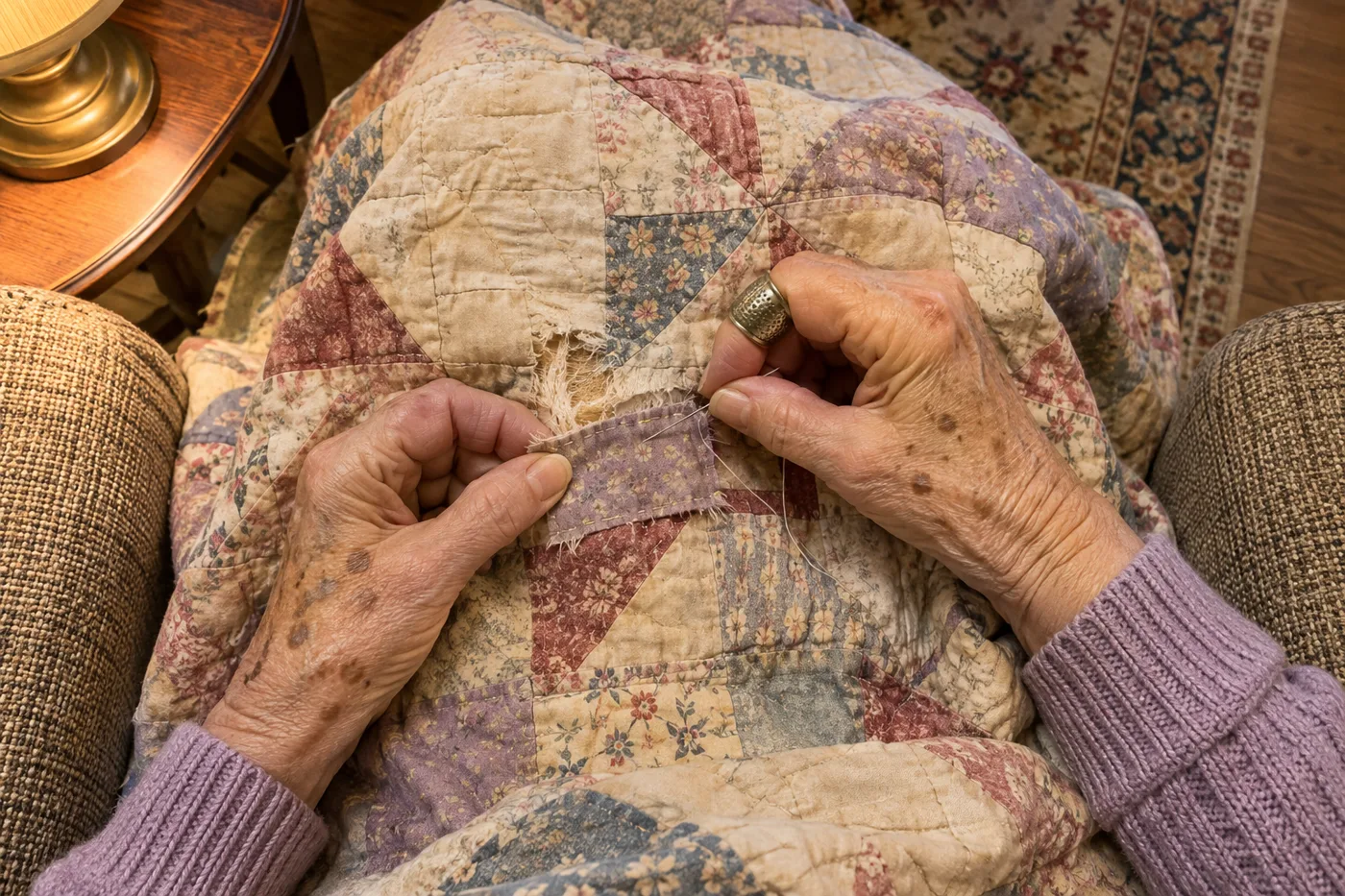
Charge by the hour, and never promise a price before you’ve seen the quilt.
- Set an hourly rate. Village Fabric Shoppe estimates quilt repair labor at $25 an hour and gives the customer a written estimate.
- Look first, then quote. Ann Wasserman, a quilt restorer with 40 years’ experience and the author of Preserving Our Quilt Legacy, gives a firm estimate only when she sees the quilt. Her virtual Quilt Triage session costs $75, so the look itself is paid work.
- Offer a second life for the hopeless ones. Village Fabric Shoppe turns quilts too damaged for full repair into pillows, stockings or wall hangings.
- Know where your work stops. Send a quilt on when it’s “too valuable or fragile for DIY fixes,” and point the family to the American Institute for Conservation’s Find a Conservator tool.
Step 4 matters more than it sounds. Wasserman notes that conservators dislike restoration because new patches can confuse what’s original, while conservation keeps the quilt as it is. A family with a quilt that might be worth something should hear that from you before your scissors touch it.
Did you know?
Ann Wasserman averages about three patches an hour, and that includes the time it takes to hunt down fabric that matches the old quilt.
#3 Boat canvas and outdoor covers
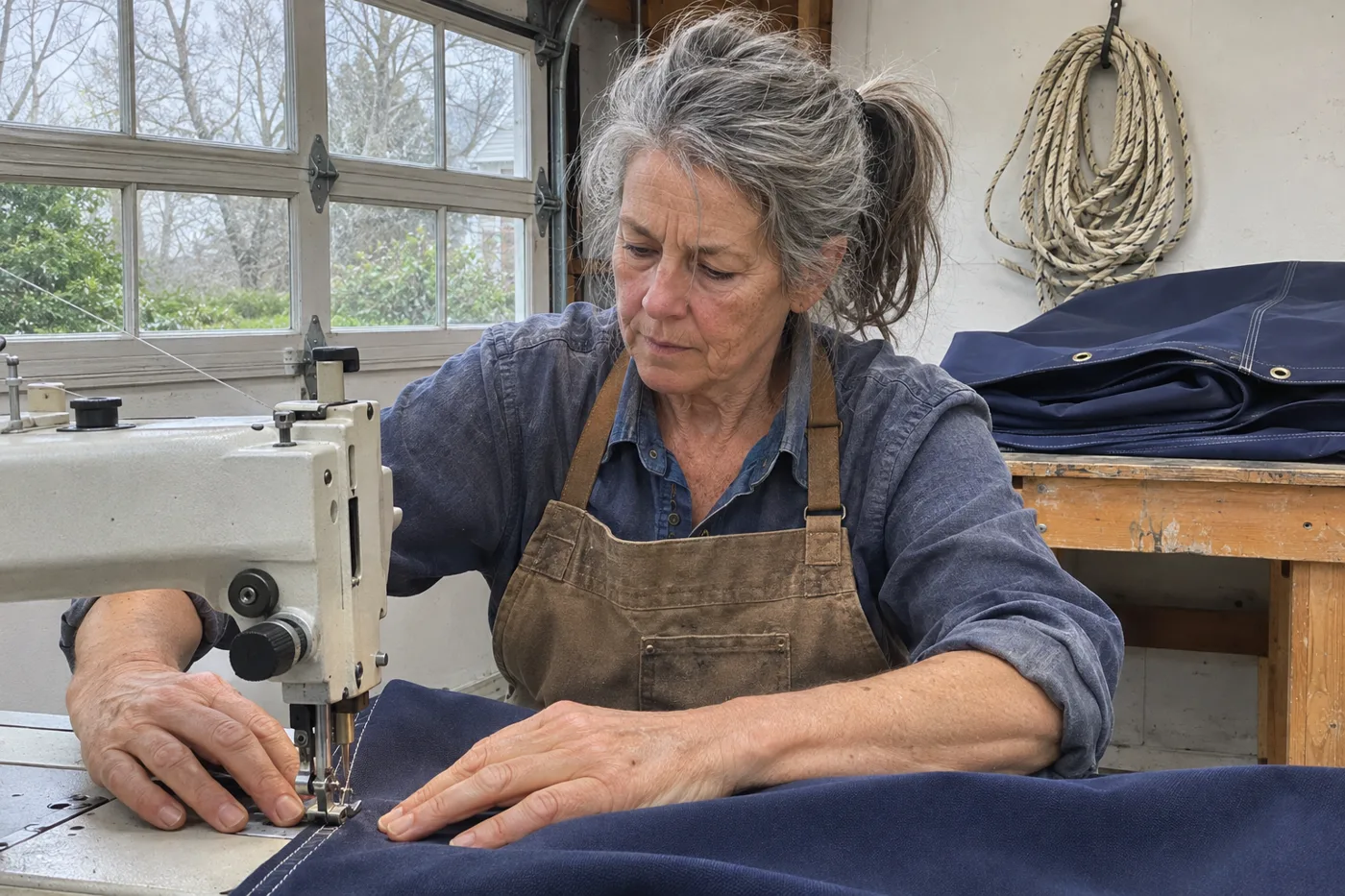
If you live near a lake or the coast, boat owners say canvas makers are hard to find and booked far ahead.
“As a boat owner, it is frustrating how hard it is to find people who can do this who aren’t booked until 2026.” A boat owner, on Reddit’s r/sidehustle
There are no patterns. You fit from scratch on the boat, or take the old cover apart and copy it.
Seamline Boat Upholstery in Fort Lauderdale lists these starting rates:
- Canvas repair from $80
- Console or motor covers from $250
- Clear enclosure panels from $350 each
- Bimini tops from $800 on the customer’s frame
- Custom boat covers from $900
Upholsterers, the federal job category that includes boat work, earn a median about 17% higher than tailors, and close to a thousand of them work in ship and boat building.
Now the honest no. Layers of heavy outdoor canvas and clear vinyl take a heavier machine than a standard home machine. Sailrite sells its Ultrafeed LSZ, a portable walking-foot machine, as one that “handles thick assemblies with ease.” Without a heavier machine, turn this work down. Your home machine will tell you why on the first corner.
#2 Sofa slipcovers cut and fitted in the home
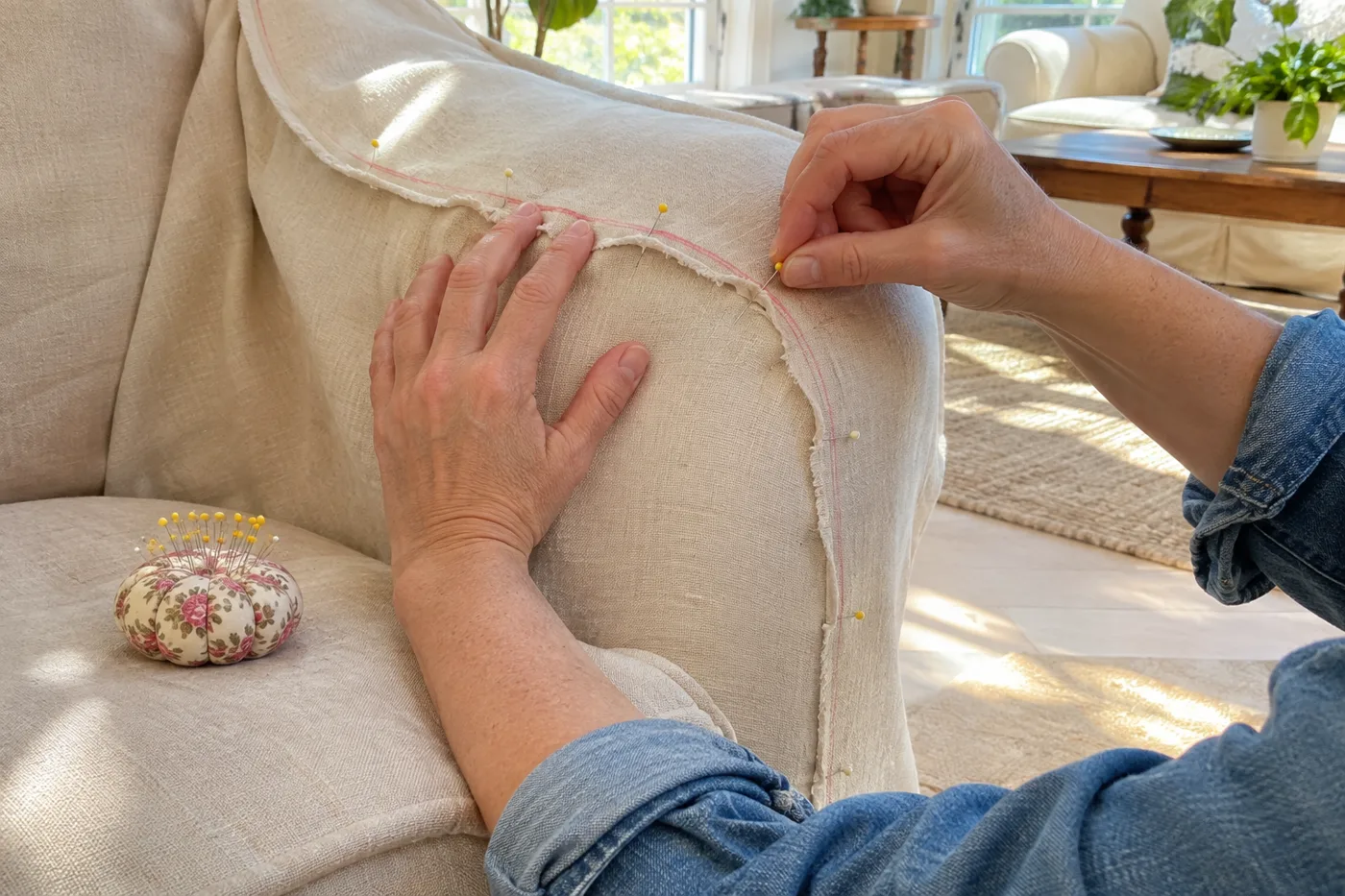
Slipcover work is priced by the piece, from $900 for a sofa (labor only), and Mimzy Lombardo says that in a given town only a few people make slipcovers.
Lombardo runs a custom home décor workroom in central Florida; her mother ran a sewing workroom for 25 years. She says the referrals come from an unexpected place: “Most upholstery shops don’t really want to make slipcovers. They just want to do upholstery and so, they will refer you.” Interior designers will send work too, she says, if you email them photos.
Nobody has to haul a sofa to your house. “I generally will cut and pin all of my slipcovers in my client’s home, so I don’t have them bring their sofas to me,” she says. Then she sews at her own high-end home machine and serger, not a commercial one.
What it’s worth, from Pink and Polka Dot, a slipcover workroom whose list says “ALL PRICES ARE LABOR ONLY”:
| Piece | Labor from | Yardage |
|---|---|---|
| Sofa | $900 | 18 to 23 yards |
| Loveseat | $700 | 13 to 15 yards |
| Chair | $500 | 8 to 10 yards |
| Ottoman | $300 | 3 to 4 yards |
It adds $7 a yard for fabric prep, so a sofa picks up more before a single seam. Pickup or delivery is $75, and there’s an additional fee of $75 or more outside 30 miles. Pillow covers start at $55 and box cushions at $100.
Lombardo’s other lesson came from watching her mother sew only with fabric customers brought in: “My mom made good money. She could have made a lot more money had she sold fabric and raised her prices.”
#1 A memory quilt from a late husband’s shirts
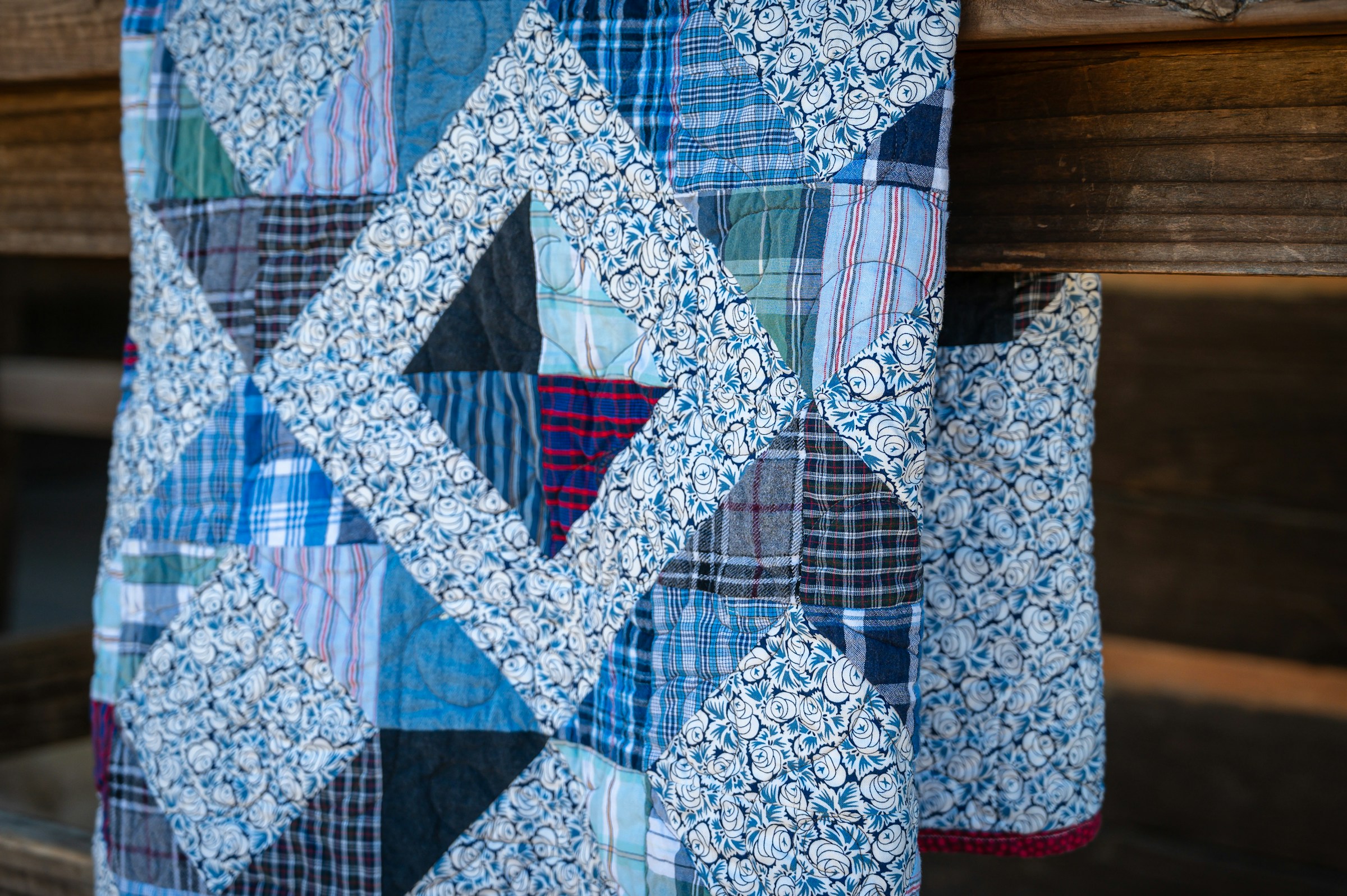
Steve Sturgeon wore Hawaiian shirts. After he died following a three-year fight with lung cancer, Janette Bouldin cut them into a quilt for his widow, Tracy, in Tonganoxie, Kansas: 25 blocks framed by a border of more shirt squares. She made quilts for the couple’s daughters too.
“His shirts were just very recognizable. They were just Steve.” Tracy Sturgeon, to the Tonganoxie Mirror
She also said she’s really not a big seamstress and definitely not a quilter.
Count what’s in the box before you quote, because the number of shirts sets the size of the quilt.
For sizing, QuiltKeepsake says a large throw, 50 by 60 inches, takes 20 to 25 pieces of clothing and is its most popular size. A small throw takes about 12 to 15 shirts, and a king up to 60.
What comes back is a quilt somebody wraps up in on the couch and recognizes from across the room: the parrot print he wore to every cookout, the one with the pocket he always tore.
Keep reading
 15 Things Hiding in Grandma’s Sewing Box That Could Be Worth Real MoneySee all 15 →
More you’ll enjoy
 17 Sewing Room Gadgets Most ’60s and ’70s Moms Had
 17 Old Needlework Skills You Inherited But Never Learned
 17 Quilting Mistakes Even Experienced Quilters Still Make
The bottom line
Pick two of these. Lombardo’s advice to new workrooms is to start narrow: “I would suggest niching down to a more narrow focus and maybe just do a couple things.” Choose the two you already do best and fastest.
Write down a price for each, using the shop lists above as your guide, and say it out loud a few times before the phone rings. The first time is the hardest.
Then decide who still gets it free. You don’t owe a price list to the people you love. You do get to stop hemming for the whole parish.
Bonus: Five things to do before you take your first paying customer
- Call the nearest dry cleaner and ask whether they send alterations out, and what they pay per piece if they do.
- Ask your local needlepoint shop who finishes for them and how long that finisher’s waitlist is.
- Keep a notebook of every job: what it was, how long it took and what you charged. After three months it will tell you which jobs to drop, and at tax time it’s your record.
- Check whether you live where the pay runs high. In May 2023, employed tailors averaged $28.99 an hour in the District of Columbia, $24.66 in California, $22.27 in Connecticut, $21.48 in New York and $21.33 in Missouri, so your rates there can start higher.
- Before a customer’s wedding gown or heirloom quilt spends a night in your house, ask your agent whether your policy covers it. Washington State’s insurance commissioner lists “business property of others” as separate coverage to consider.
Questions people also ask
How much should I charge to hem pants?
Cost guides put a plain hem at about $10 to $30, and an original jean hem or lined slacks at about $20 to $50. SewingLocal’s 2026 guide, for example, lists $10 to $25 for a plain hem and $20 to $40 for a lined or original hem. Prices vary by town, so compare with shops near you. At $20, a hem has to take under about 68 minutes, pressing included, to match the employee median wage.
Are work from home sewing jobs legit?
Some are. American Music Theatre posted a real seasonal at-home stitcher job, and Thimble runs a real platform matching customers with independent seamstresses. Be wary of any posting that wants money first, such as a piece rate offer (paid per finished item) that makes you buy the kit. The FTC warns about job scams that have people “paying for starter kits, so-called training, or certifications that are useless.”
Do I need a business license to do alterations from home?
It depends on where you live, because local governments set the rules. The Small Business Administration says “Local governments determine registration, licensing, and permitting requirements,” and zoning can still apply to a home business. Check with your city or county and your state before you advertise.
Do I have to pay taxes on sewing money I make at home?
Yes, once your net earnings from it reach $400 in a year, you generally owe self-employment tax, according to the IRS. The rate is 15.3%, applied to 92.35% of your net earnings, and half of it is deductible. On $5,000 of profit that comes to about $706, before any income tax.
Do I need an industrial sewing machine to sew for money?
Not for most of these jobs. A good home machine handles hems, mending, binding and pillows, and Mimzy Lombardo makes slipcovers on a high-end home machine and serger. Boat canvas and heavy vinyl need a heavier machine; Sailrite sells a walking-foot model for thick assemblies.
What jobs can you get with sewing?
As an employee, nearly two in three tailors and dressmakers work at a clothing store, a repair shop or a dry cleaner, federal wage figures show. On your own, you can take hems, zippers, bridal work, binding, costumes, lessons, needlepoint finishing, quilt repair, slipcovers and memory quilts. New York tailor Kil Bae told the AP, “I recommend this job to young people because this one cannot be AI’d.”


