A countdown of the geese, samplers, puffy-paint sweatshirts and plastic canvas covers that filled 1980s homes and bazaar tables, and what to do with any you still have.
The craft at #1 began as handmade pieces at craft shows and turned into a toy that sold 20 million in a single year.
The sweatshirt is spread flat on the kitchen table with a square of cardboard slid inside so the paint won’t soak through to the back. You’ve got the bottle upside down, tip just touching the cotton, and you’re running a line of hearts around the neck that won’t be dry till morning. You never needed a class for it. A good share of those 1980s crafts are still being made, some by people too young to remember the first round. If you kept any of yours, one or two may need better care than they’re getting.
#17 Counted cross-stitch samplers on the wall
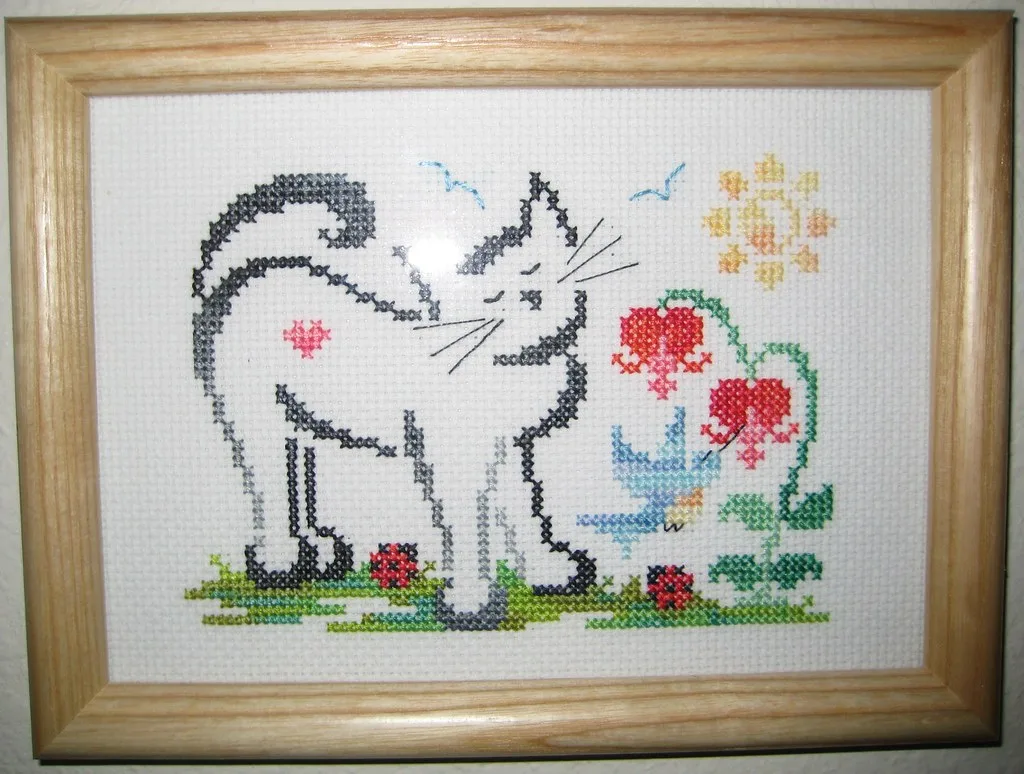
Needlework was big business in the decade, and the trade’s own numbers show it. A 1983 UPI story reported that 1982 needlework retail sales ran somewhere between $800 million and $1.2 billion, with unit sales up about 10% in a year. The industry group behind those figures said 36% of US households had someone who knitted, crocheted, did needlepoint or did cross stitch.
One survey in the same story found the average customer spent $10 to $14 per visit to a needlework shop. That’s the whole visit, not the price of a kit.
The cross-stitch writer Lord Libidan says the 80s “launched cross stitch from a relatively unique embroidery form into a hobby in its own right.” DMC and Anchor greatly widened their color ranges, many of today’s cross-stitch magazines got their start, and designers began charting patterns on home computers. The hobby peaked in the 1980s and stayed popular, and kits are still sold in most major craft stores.
What deserves your attention is behind the glass. Conservation-grade mat board became much more widely available by the early 1980s, so a sampler framed in the decade’s first years may be sitting against the older kind.
In 1990, the needlework framer Anita Spitzhoff put the rule in capital letters: “EVERYTHING that touches the piece of art or needlework should be acid-free.” She wrote about pieces of her own, framed years before, that had been glued and stapled to “old greasy leftover cardboard” and couldn’t be saved.
Look at the cut edge of the mat first. A beige core means it isn’t acid-free. For a piece you treasure, take it to a framer trained in conservation framing.
Check your framed sampler
- Plain cardboard and regular foam core backing are on Spitzhoff’s not-acid-free list too.
- Glue and tape don’t belong anywhere near the stitching unless they’re labeled for conservation.
- Dry mounting is normally irreversible.
- Hang it out of direct sun and away from heat, dirt and damp. Appraiser Dr. Lori Verderame puts it plainly: “Condition is key to the value of any sampler.”
#16 Country geese in their seasonal bonnets
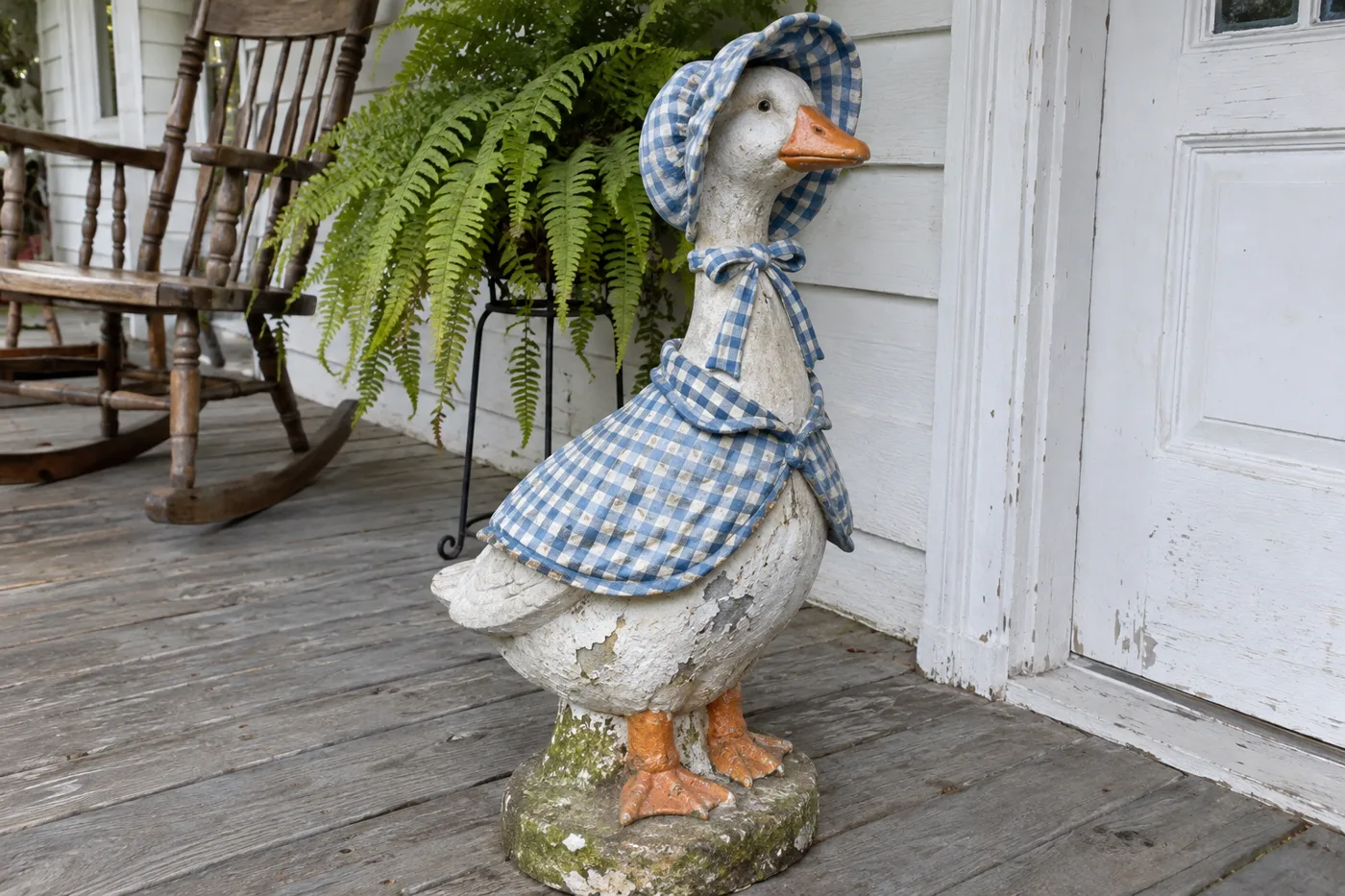
The concrete goose by the front door, in a slicker when it rained and a bonnet at Easter, had its heyday from the 1980s into the 1990s, and it’s back. Wikipedia’s entry on the porch goose calls it an American lawn ornament that’s still common in the Midwest and revived in the 2020s.
In late 2025, Country Living’s editor-in-chief, Rachel Hardage Barrett, listed geese wearing blue bows among the 80s looks that have returned, and tied it to porch geese taking over TikTok.
The outfits were the craft. Janell Shah of the Yakima Herald-Republic says they were “often handmade” and changed with the seasons, the holidays and the big days in a family’s life. She credits Millennials and Gen Z with the revival, and she sums up the whole appeal in one line: “It simply stands watch at the front door, dressed for the occasion.”
#15 Plastic canvas tissue box covers
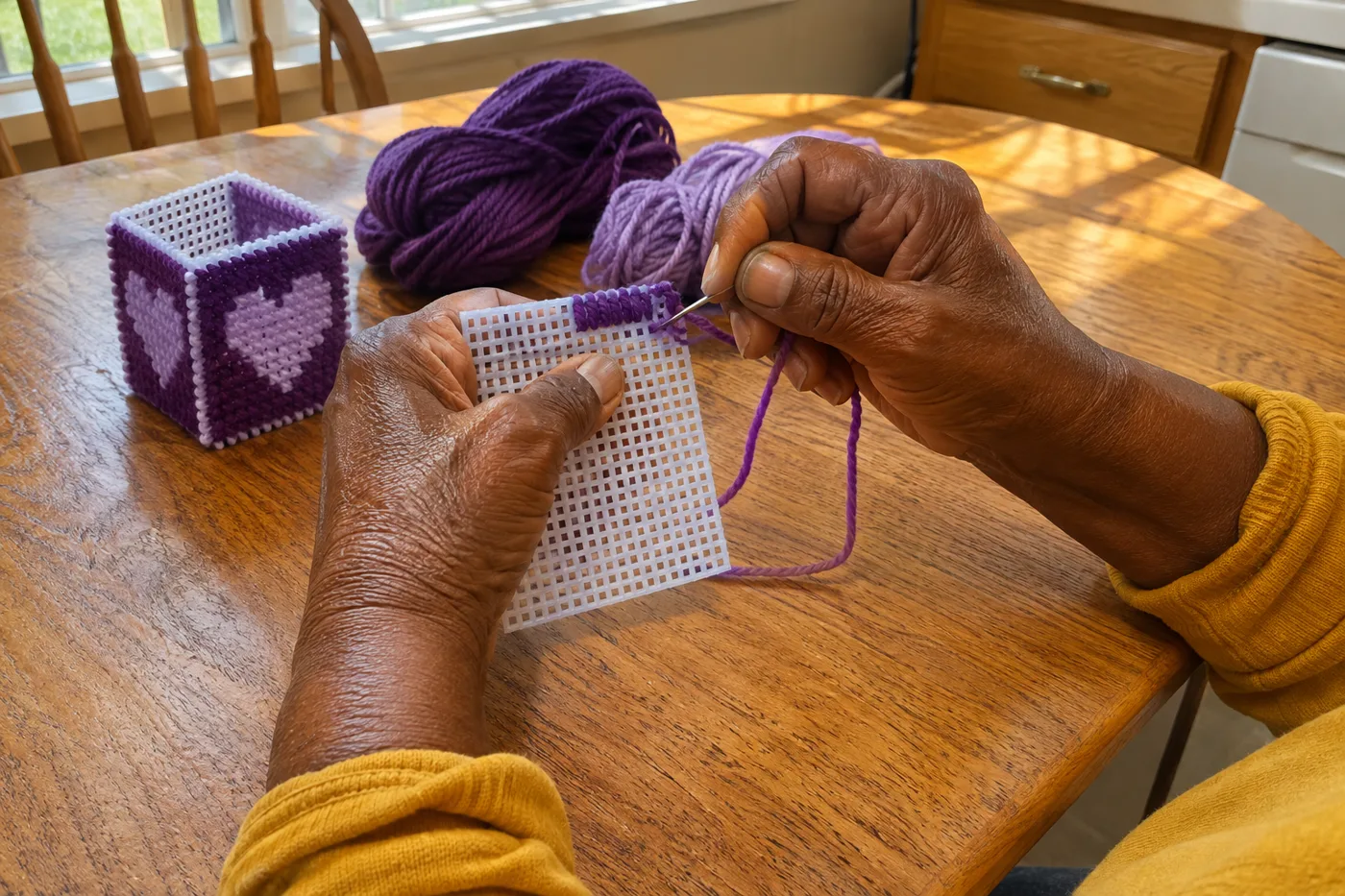
To start again, you need 7-count plastic canvas, a size 16 blunt tapestry needle and plastic canvas yarn or ordinary worsted weight. No hoop. That’s the beginner list from Frogging News, which traces the craft’s return on social media to around 2022 to 2023. It rode in on “grandmacore” and “cozy crafting.”
Plastic canvas had a big moment in the 80s craft boom, with kits and pattern books at JoAnn, Michael’s and Wal-Mart and whole magazines devoted to it. One crafts writer calls the tissue box covers and coasters “a rite of passage for grandparents in the ’70s and ’80s.” If you made the cube kind, with a little roof or a cat on top, you remember how the corners fought you. It’s still the right first project.
Where you shop has changed. Joann, one of the chains that carried those kits, began closing all its remaining stores in 2025 after its second bankruptcy filing in under a year. Your restart list goes to whatever craft store is left near you, or online.
Did you know?
Plastic canvas first went on sale in the 1970s as lightweight vinyl in precut sheets, circles and other shapes, according to the Textile Research Center, as GeekMom reports.
#14 Puffy paint sweatshirts for the whole family
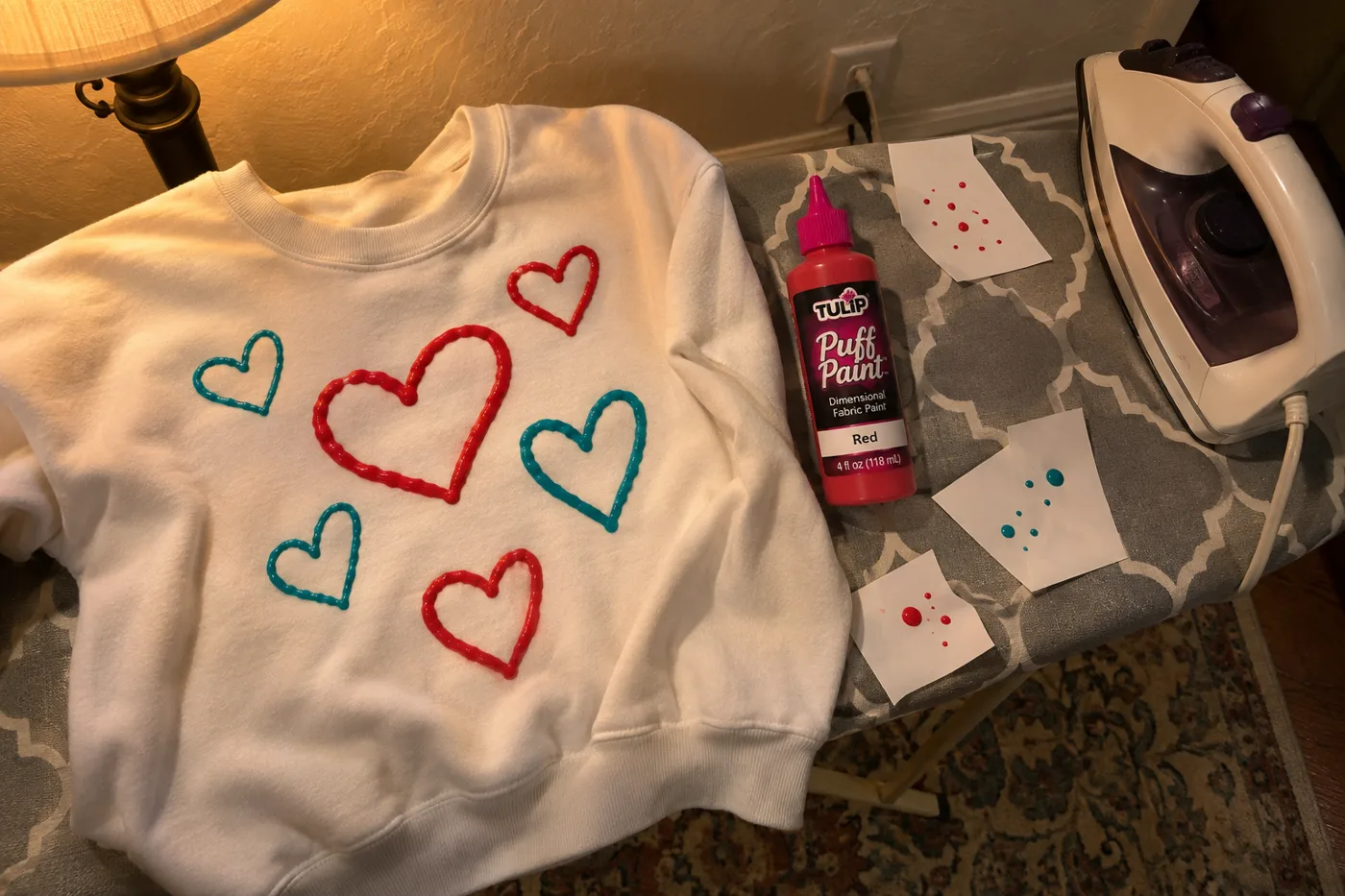
You may be wondering whether they even still make puffy paint. They do. Tulip says its dimensional fabric paint now carries the brand name Puff Paint, and it’s the same product under a new label.
The puff comes from heat. Let the paint dry thoroughly, then steam it with a household iron, and it swells up and turns from glossy to matte.
That matters if you’re planning matching shirts for a reunion, a church trip or a fair booth, because each shirt needs the steam step once the paint is thoroughly dry. Try it first on an old sweatshirt you’d never wear out of the house.
#13 Loop potholders on a metal frame
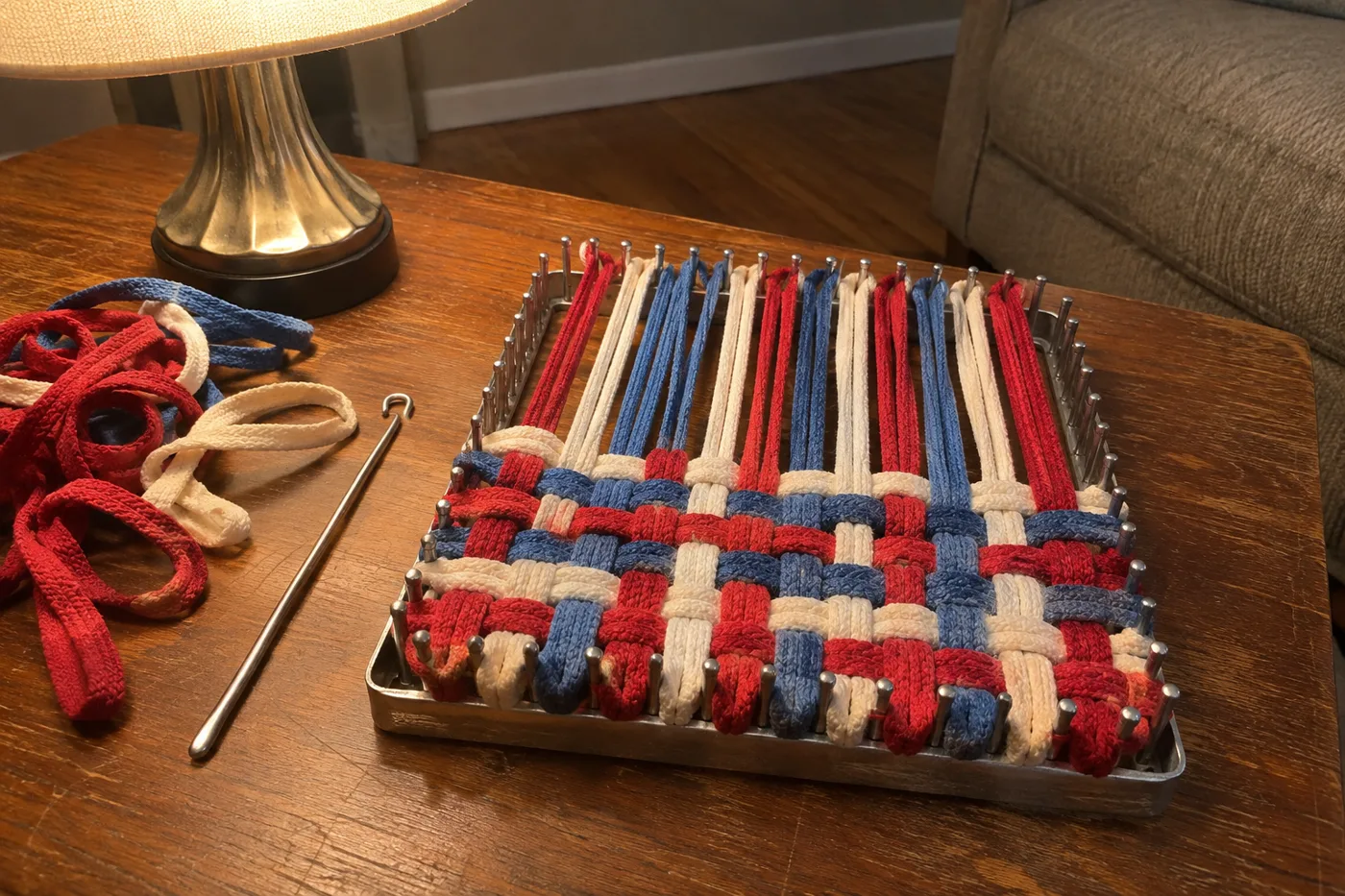
“Making potholders with loops of stretchy cloth on plastic frames. Kept mom and grandma supplied with low-quality kitchen protection”
A commenter remembering childhood crafts, r/AskOldPeople
Low-quality is the honest word. In that same thread, others remember weaving the stretchy loops, and some remember the old metal frames mainly for what they did to bare feet.
The fix for the low-quality part is in the loops. A craft blogger who made them on a metal loom bought at Michaels says to use “cotton loops (and not synthetic acrylic)” so the potholders keep heat off surfaces and don’t melt. Check what your loops are made of before you weave a single row.
 You might also like17 Handmade Christmas Ornaments Our Grandmothers Made
#12 Friendship pins and ribbon-woven barrettes
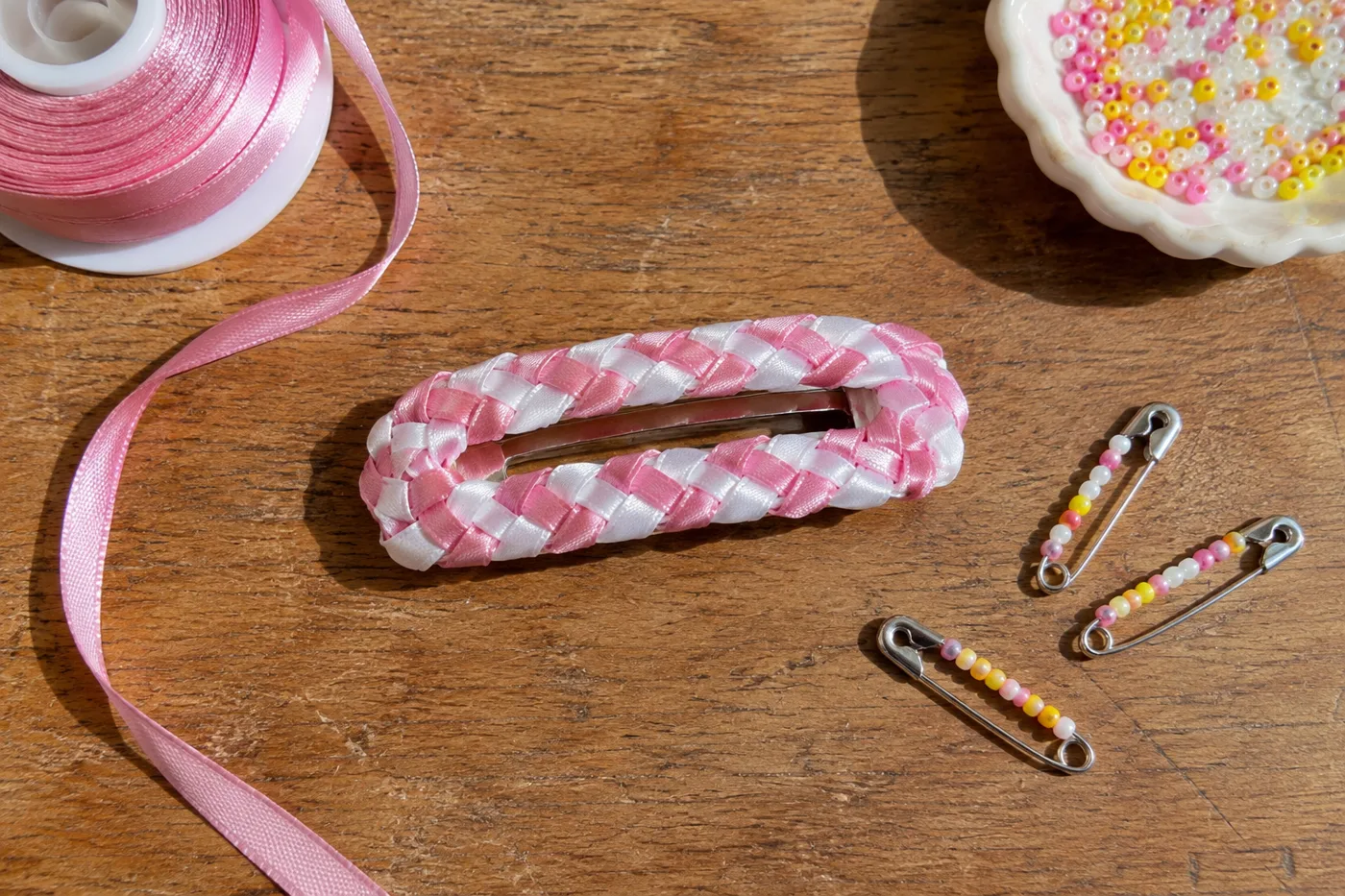
In the 80s, friendship pins were safety pins strung with tiny seed beads, worn on shoelaces.
A 2014 AP craft piece on ’80s-style projects gives the supply list: 1/8-inch satin ribbon, double-bar barrettes, seed beads, and safety pins “preferably coil-less.” Regular pins are fine for shoelaces, the piece explains, but once beads are on the opening arm, a regular pin is hard to fasten to clothing. Coil-less ones are sold with the jewelry-making supplies.
Ribbon barrettes, if you have a young one to make them for, go like this:
- Cut the ribbon into 1-yard lengths.
- Thread two ribbons through the clasp end of the barrette.
- Cross them through the middle slot.
- Weave the ends through the bars all the way to the far end.
- Tie a double knot.
#11 Shrinky Dinks at the kitchen table
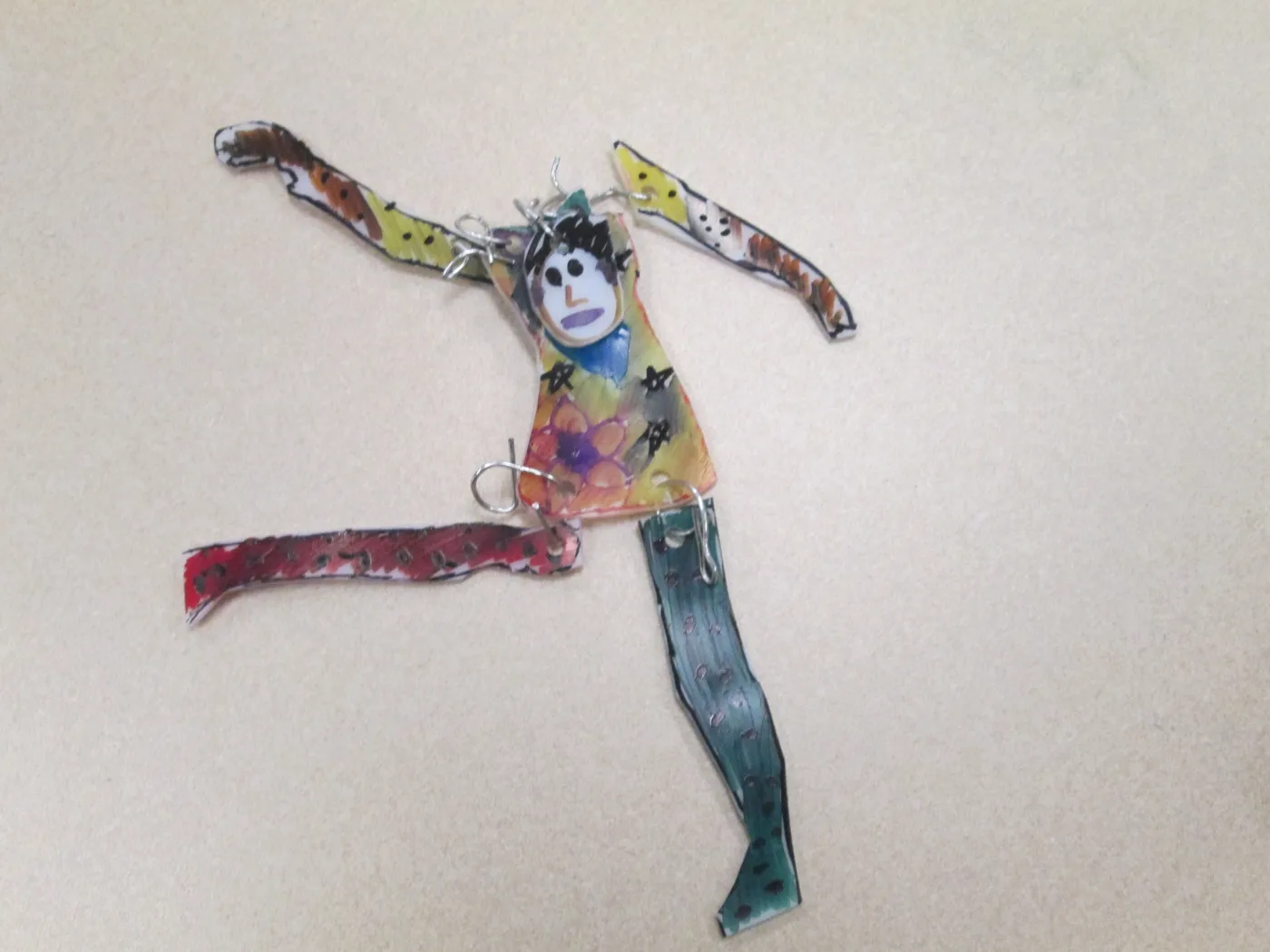
Draw it three times bigger than you want it. Shrinky Dinks shrink to about a third of their length and width and end up about nine times thicker, according to Wikipedia, so a three-inch drawing ends up about an inch across and as stiff as a button.
TIME puts their peak in the mid-1980s, when they were the thing to do on a rainy afternoon.
The sheets are still sold, so the unicorn keychain can be made again, this time at the size you meant.
Did you know?
Shrinky Dinks began in 1973 as a Cub Scout project, when two mothers in Brookfield, Wisconsin, Betty Morris and Kate Bloomberg, worked on it with their sons.
#10 Baked plastic suncatcher kits
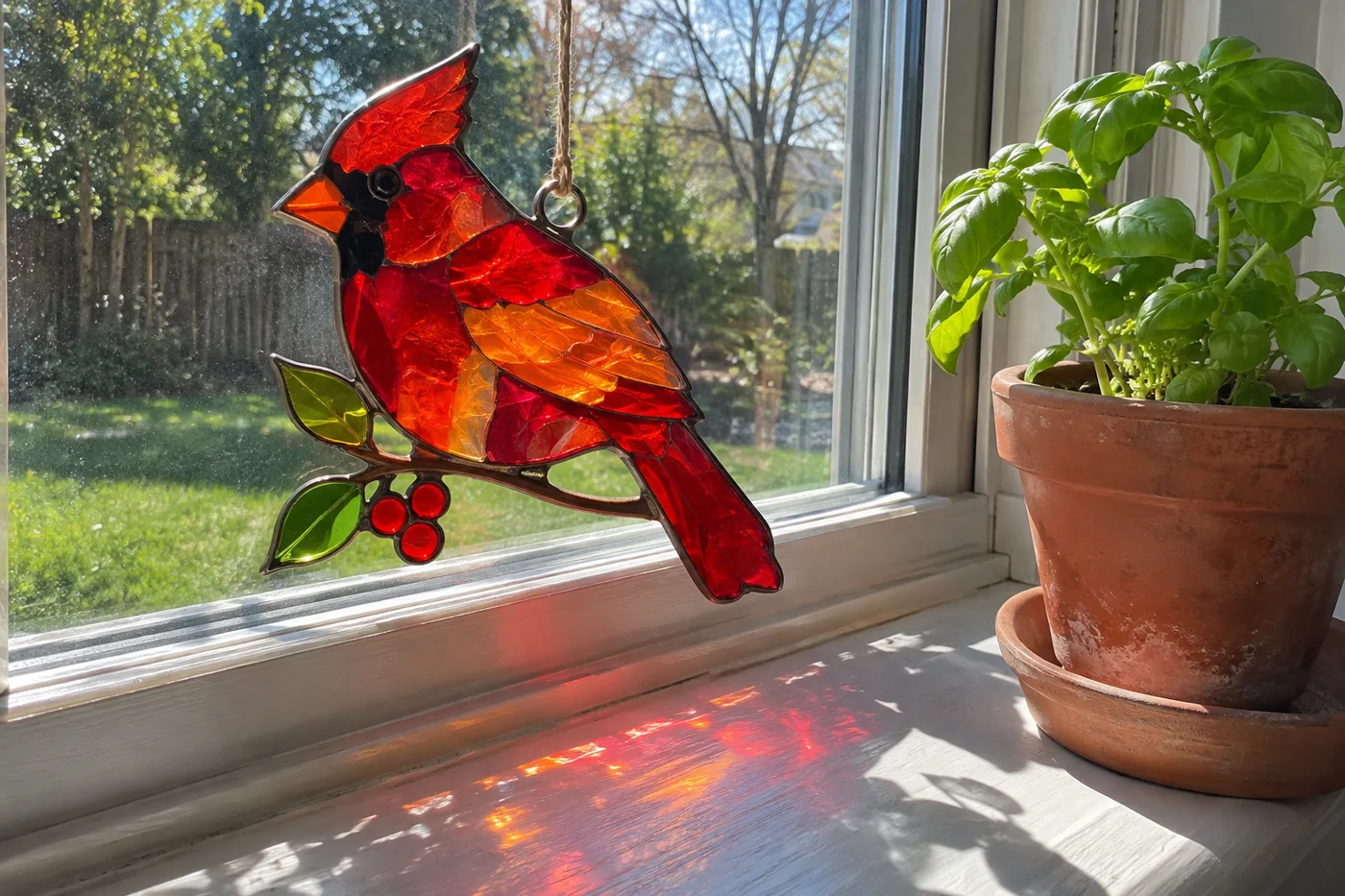
A commenter remembering craft kits on r/AskOldPeople described them exactly: “the Suncatcher kits where you had a metal frame and filled it with colored bits of plastic and then baked it in the toaster”.
The toaster is the part to drop. A how-to page on eHow covering Makit & Bakit-style kits says to use a standard oven and never a toaster oven. It also says to mound the crystals up above the rim of the frame, because they shrink as they melt. If yours always came out with a bare spot by the edge, that’s the likely reason.
Here’s the rest of it.
Baking a suncatcher kit
- 375°F in a standard oven, for 15 to 25 minutes.
- No microwave, either.
- Bake in a well-ventilated room, away from the broiler.
- The crystals aren’t for children under 3.
#9 Stenciled walls and country borders
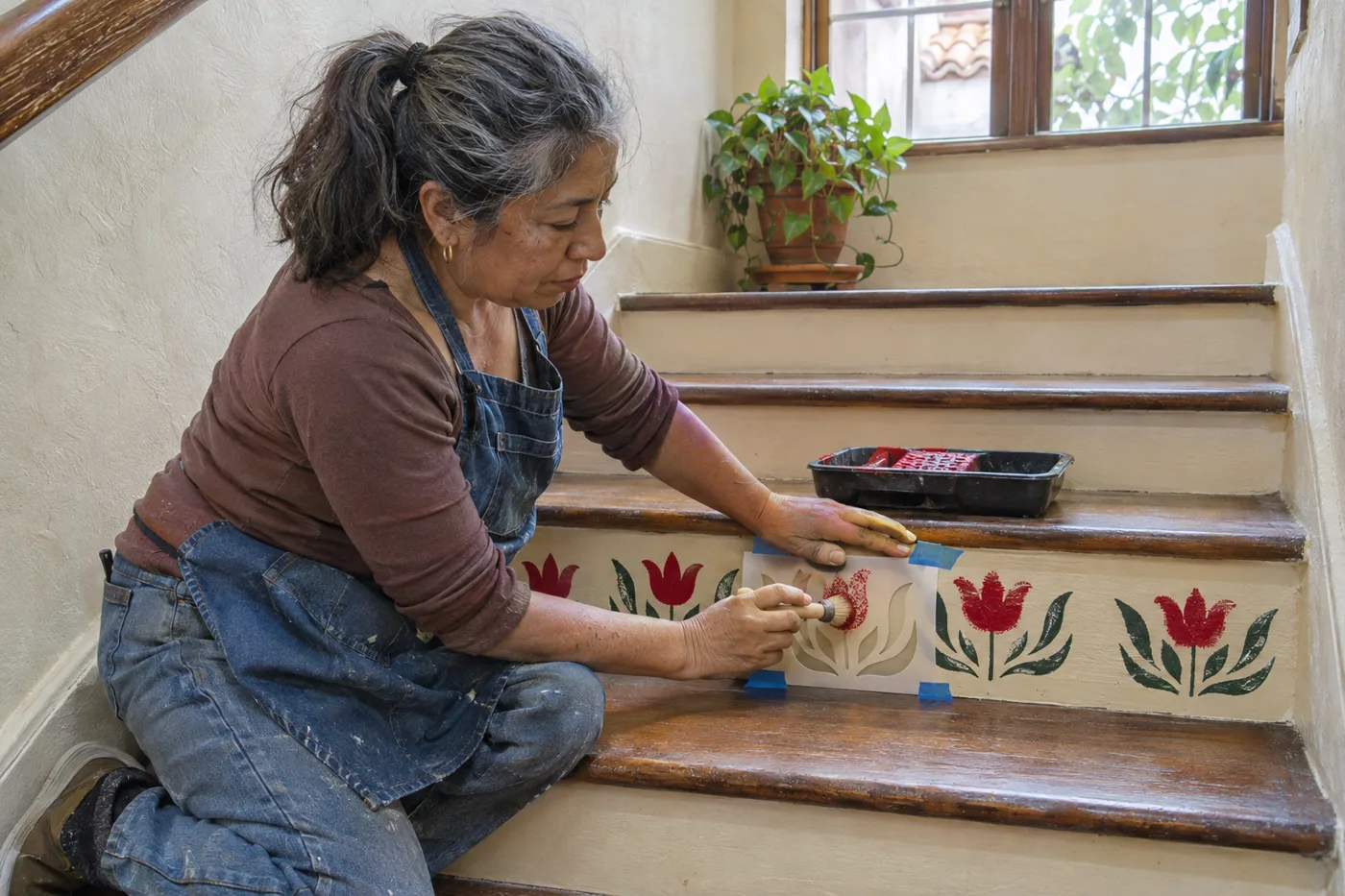
In the 80s, the stencil went on the wall. Now it’s going on floors, furniture and stairs.
You know the old version: a band of hearts, tulips or geese running around the kitchen just under the ceiling, dabbed on through a stencil taped to the wall. Country Living’s Barrett notes that stenciled motifs “obviously pre-date the 1980s,” but they were everywhere then. She says the look is coming back as stenciled floors and furniture, and as folk-art motifs on walls and stair risers.
Stenciling was big enough to get its own national group. The Stencil Artisans League formed in 1984 to promote and preserve the craft, held its first convention in Arlington, Virginia, and in 2008 became the International Decorative Artisans League.
If you kept your old border stencils, a stair riser is the place to try them. It’s a long, narrow strip, the same shape as the band you once ran around a kitchen, and you can paint over it in an afternoon if you don’t like it.
#8 Crocheted doll toilet-paper covers
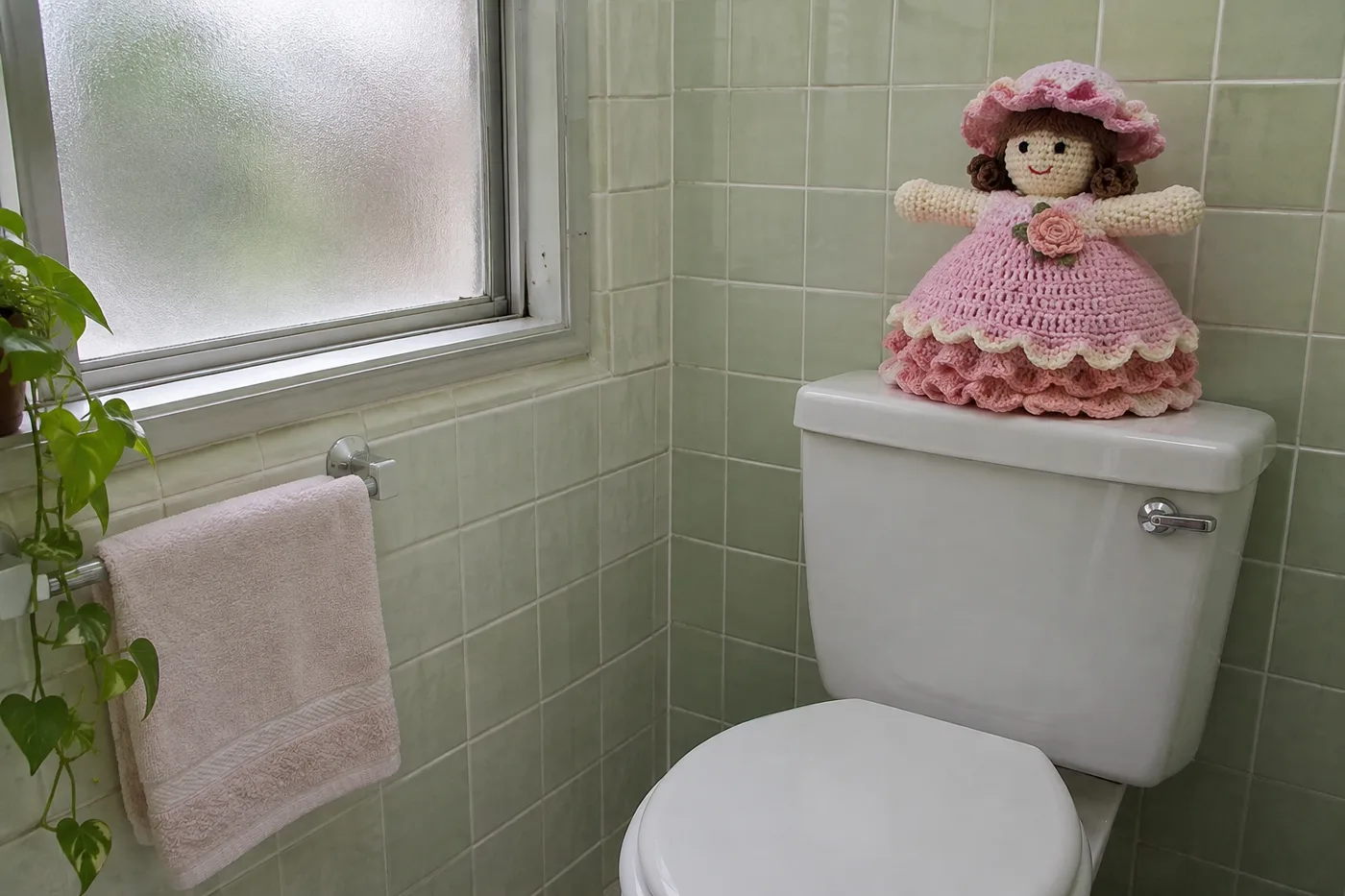
Where the crocheted doll on the toilet tank came from seems to be a mystery. You know her: a doll from the waist up, arms out, in a skirt of crocheted ruffles wide enough to hide a spare roll.
Josie Glausiusz writes in The American Scholar that the dolls turned up in bathrooms in the US, England and Australia in the 1960s or 1970s, and that “no one seems to know why or exactly when they arose or where they have gone.”
Not everybody misses them. A couple of commenters in an r/GenX thread about old crafts coming back name the doll-topped tissue and toilet-paper covers, and black-light velvet paintings, as 70s and 80s crafts they’d rather never see again.
#7 Grapevine wreaths and potpourri at the church fair
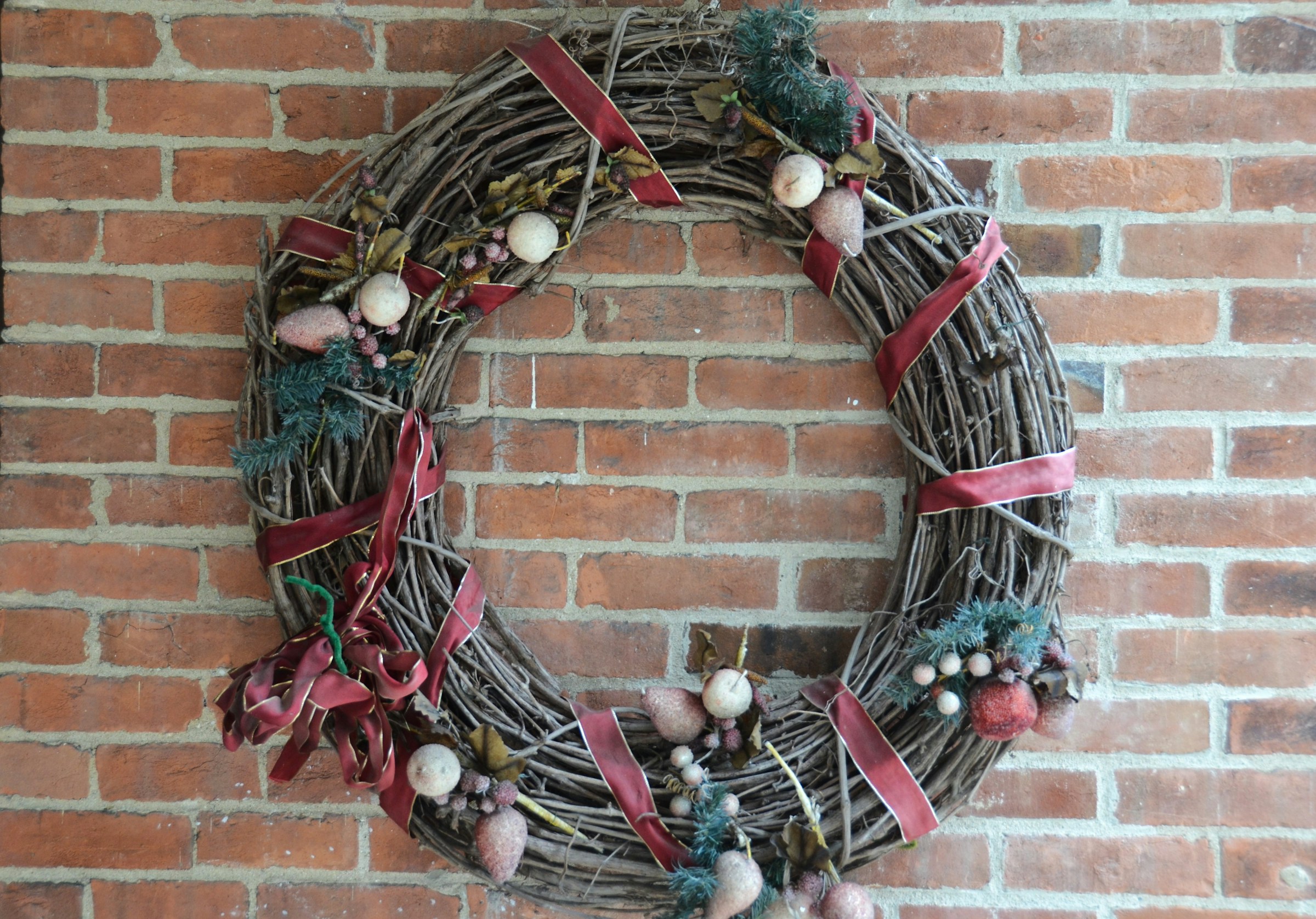
In November 1983, Marie Wilson wrote in Mother Earth News about making grapevine wreaths, and slipped in that hers sold so well at a church craft fair they often covered most of her family’s holiday expenses. Picture that table: wreaths stacked three deep in the fellowship hall, a bowl of potpourri at the end so the whole room smelled of cinnamon.
Her method: Gather vines in the dormant season, which she put “between September and April” in most places. Keep the curly tendrils, and soak brittle canes for a few hours before you bend them. Trim with ribbon, dried flowers or a small ornamental bird. If the vine isn’t growing on your own land, ask before you cut.
The potpourri fell out of favor first. Toronto floral designer Sarah Wu told The Globe and Mail: “I associated it with the eighties, when Laura Ashley decor was popular and everything was floral and sweet.” A Toronto shop owner, Linda Wade, said cheap wood-chip fillers made it look dated, and she quit carrying it in the early 1990s. By 2019 and 2020, demand was climbing again. Leave out the wood chips and yours won’t look like the bowl she gave up on.
Craft fairs in that decade were serious business. A 1985 UPI story described one West Coast fair company with more than 3,000 craftspeople renting booths. Its show headed to Europe with about $500,000 worth of brooms, lace, patchwork quilts, rocking horses and porcelain dolls.
 You might also like17 Dollar Store Christmas Crafts That Look Expensive
#6 Granny-square afghans on the sofa
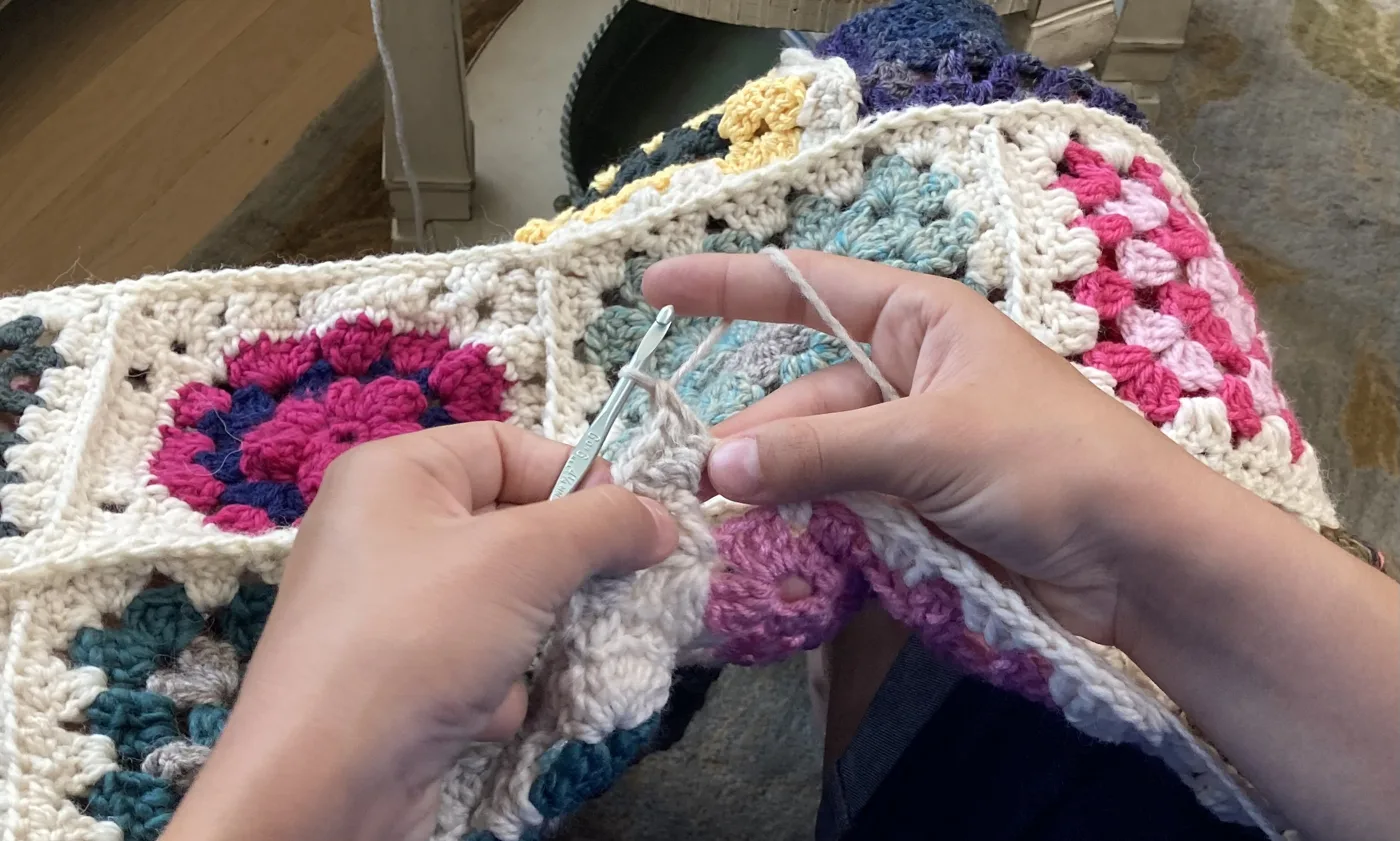
The granny square’s first pattern dates to the 1880s. The first pattern in that style ran in Prairie Farmer on April 4, 1885, as Mrs. Phelps’ “Crazy Afghan,” and Eva Marie Niles’ 1888 version in the Boston Globe became the standard, Nicole Gustas writes in PieceWork. The earliest known use of the name “granny square” is from 1953.
The bigger surprise is why it started. Gustas says the design came from a specific inspiration, the 1880s crazy-quilt fashion carried over into crochet, rather than as a way to use up scraps.
In one r/GenX thread, several long-time crocheters say they never stopped. One who has crocheted since childhood answered the idea that it’s now a young person’s craft: “Yeah, geez. I’ve been crocheting since I was 10. You want me to stop now just cuz the kids are doing it?”
The young crowd is out there. The Knitting Tree in Inglewood, California, runs a Gen Z Knit Night every two weeks that draws 40 to 50 people, with crochet among the projects. Organizer Arden Siadek said, “I really wanted something specifically for younger people because yarn shops can skew a little older.”
In that r/GenX thread, some describe younger people asking older crafters to teach them, including a craft night held for younger coworkers. If you can turn a granny square without looking, that’s an evening you could offer.
#5 Tole-painted wooden hearts and cutouts
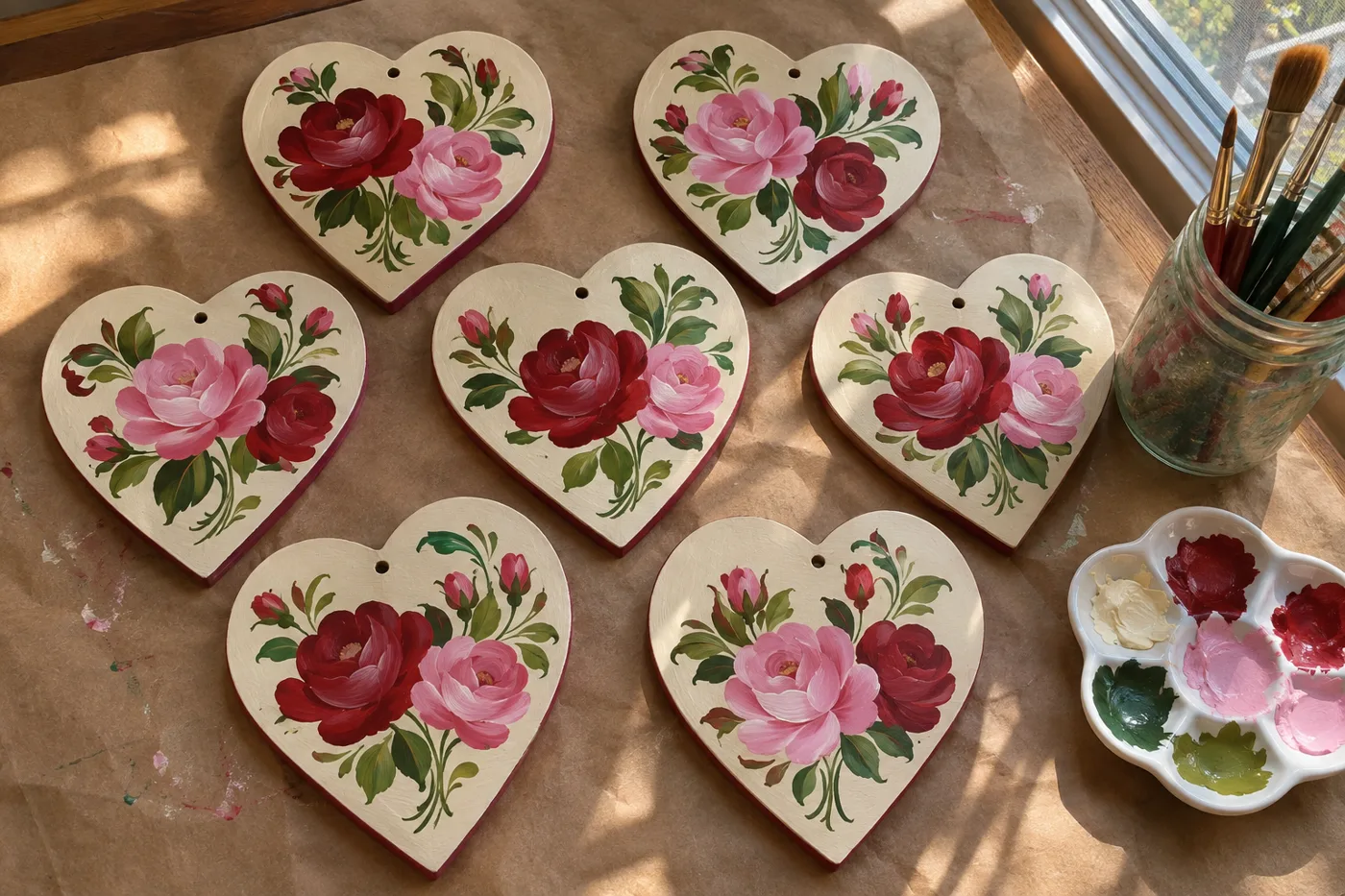
“I truly believe that I started the decorative painting movement throughout the world.”
Priscilla Hauser, in a profile on Plaid’s site
Tole painting, the brushstroke roses, tulips and hearts on wooden cutouts and tin, had a lot of teachers, and Hauser has a case for being the one who spread it. She took eight tole classes at a YWCA, then began teaching in the early 1970s at Priscilla’s Little Red Tole House in Tulsa, Oklahoma. In the 1980s she filmed the public TV series “The Magic of Decorative Painting.” She says she has taught “approximately 40,000 to 50,000 people to paint.”
The craft even had a national home. The Society of Decorative Painters formed in 1972 “to promote interest in decorative painting,” and it disbanded in December 2022, after 50 years.
#4 Cut-neck off-the-shoulder sweatshirts and bleach splatters
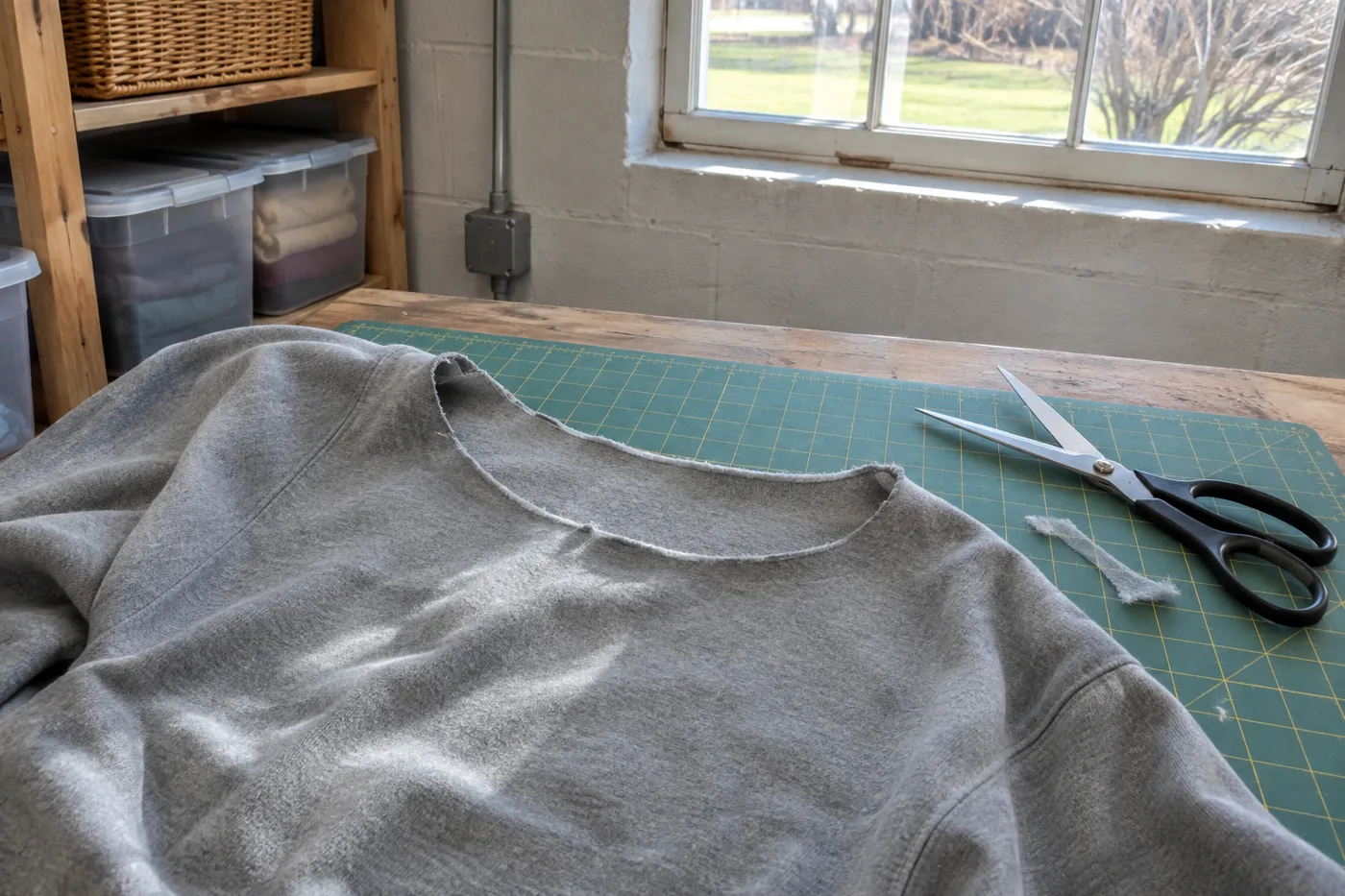
The Flashdance sweatshirt started in a dryer. Jennifer Beals told The Tonight Show that the one she wore in the 1983 movie “was based on a fashion accident.” Her high-school sweatshirt shrank, “so I just cut out the hole.” The costume designer, Michael Kaplan, then “made a much better version of it for the film.”
Under one TikTok video, several commenters say they cut the necks off sweatshirts and T-shirts as teens, and some splattered bleach on their clothes too. A member of the high school class of 1989 gave the short version: “What you do is cut the ribbed neck bit off. Right below the stitching.”
For the true off-the-shoulder slant, try Silhouette School’s method. Lay the shirt flat, start just outside the neckline on one side, and aim about halfway between the neck and the shoulder seam on the other. Cut through front and back together in one curve, then stretch the edge so it curls. It curls more after washing.
The bleach half needs more care. Clorox’s own instructions, written for bleach tie-dye, say to wear gloves, avoid splashing and read the product label.
Clorox’s bleach tie-dye steps
- Gloves on, then 1 cup bleach to 1 gallon of cool water.
- Before you start, test a drop of 2 teaspoons bleach mixed into ¼ cup water on a hidden spot.
- Check at about 2 minutes, and stop by 5.
- Move the shirt into 1 cup of 3% hydrogen peroxide per gallon of water until the fizzing stops, then rinse several times in cool water and air dry.
#3 Quick quilts with the new rotary cutter
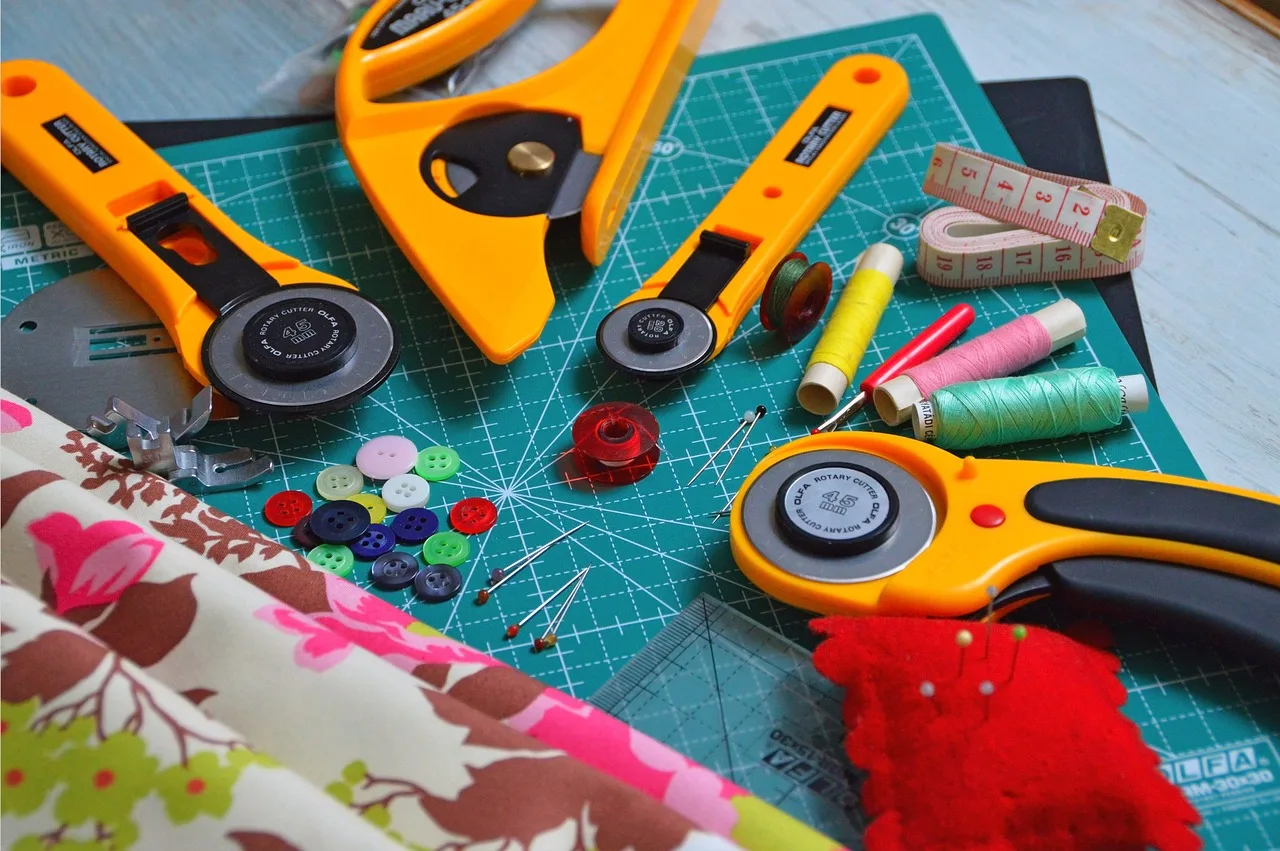
Before the rotary cutter, quilters cut with scissors around homemade templates whose edges wore and became inaccurate. Britain’s Quilters’ Guild calls the cutter “a milestone in the history of patchwork and quilting.” Used with acrylic rulers and a self-healing mat, it transformed quilt making and the quilting industry, says OLFA, the company that made it.
On a thrifted quilt, the tag or the seller may say “handmade,” and that word covers less than it sounds. Dr. Lori Verderame, the appraiser, draws the line: “So handmade is different than hand stitched.” On a patchwork baby quilt whose block corners don’t line up, she reads the mismatch as machine stitching by someone who skipped measuring and pressing, a mistake a hand stitcher wouldn’t make.
The quilting stitches themselves can fool you. In 1985, Harriet Hargrave coined the term “heirloom machine quilting” for using a home sewing machine to copy the look of hand quilting, and machine quilting became widely accepted in the 1990s. Small, even stitches on a quilt from the mid-1980s on could go either way.
| On the thrifted quilt | What it can mean |
|---|---|
| “Handmade” on the tag | Made by hand in some way, not necessarily hand stitched |
| Small, even quilting stitches | Hand quilting, or machine work made to look like it |
| Block corners that don’t line up | On one patchwork baby quilt, Dr. Lori read this as machine stitching by someone who skipped measuring and pressing |
Did you know?
The world’s first rotary cutter was developed in 1979 by Yoshio Okada, the founder of OLFA, the company said when it celebrated the cutter’s 35th anniversary in 2014.
#2 Keeping the quilt: cedar chest, folds and a label
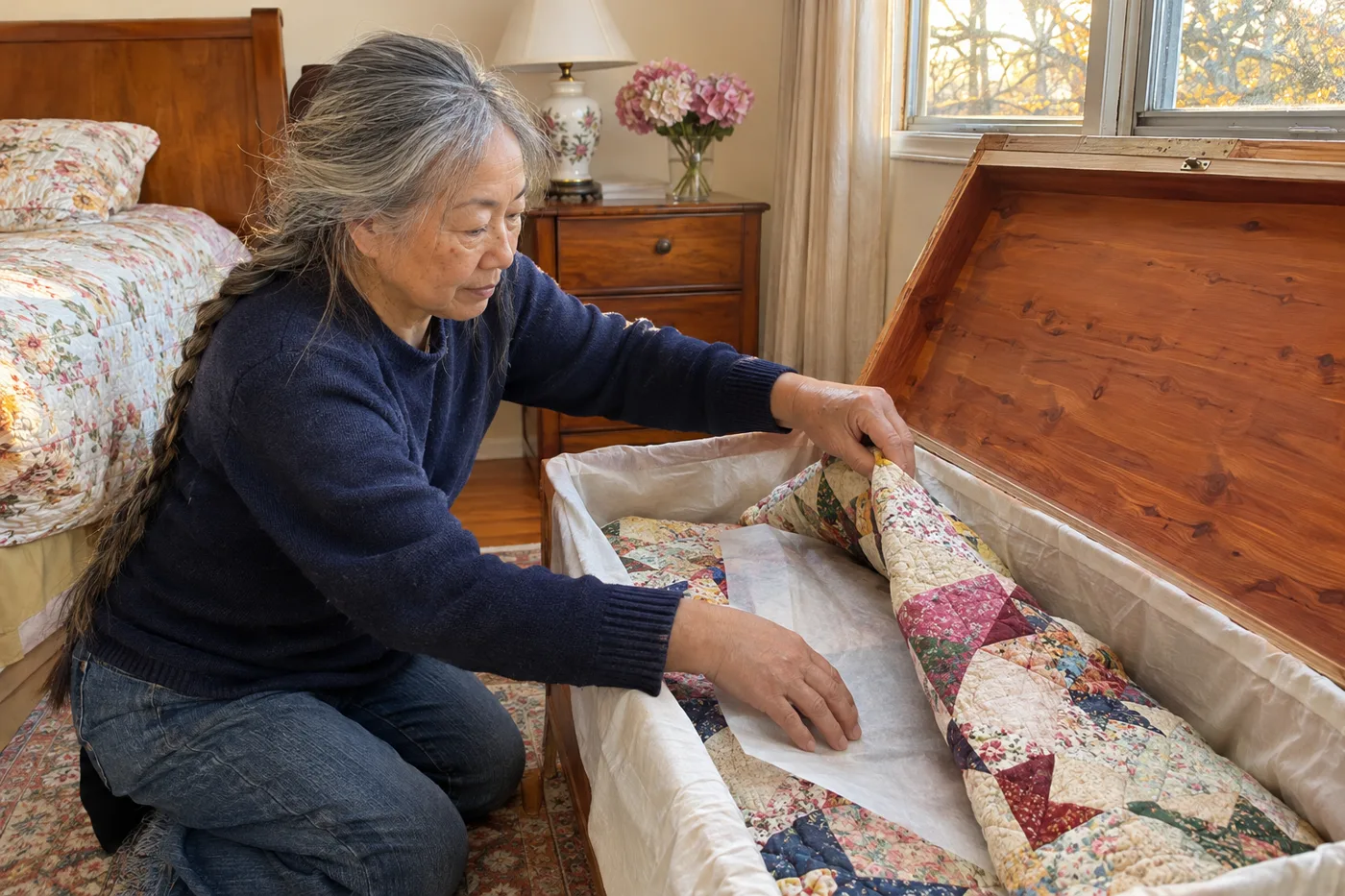
In 1981, people in Kentucky began carrying quilts to designated sites, where each one was photographed and recorded. The Kentucky Quilt Project, founded by Shelly Zegart, Eleanor Bingham Miller and Eunice Ray, was what Wikipedia calls “the first statewide quilt documentation project in the United States.” Other states followed, and later projects documented over 200,000 quilts, 10,000 of them in North Carolina alone. Bruce Mann, the dealer who proposed it, said quilts “deteriorate, are lost through negligence or catastrophe.”
A quilt made in the 80s is old enough now to need that kind of care. Here’s how to store one, drawing on Nebraska Extension’s quilt care guide and the San Jose Museum of Quilts & Textiles:
- Keep it from touching bare wood. Nebraska’s guide includes cedar chests in that. The San Jose museum sees one good use for cedar: chests that “seal tightly against pests.” If a cedar chest is what you have, line it so the quilt never touches the wood.
- Line the chest or pad the folds with acid-free tissue or washed unbleached muslin.
- Store it flat if you can. If it has to be folded, refold it every 3 to 6 months, San Jose says. Refolding helps “redistribute the strain that develops along fold lines,” in Nebraska’s words.
- No plastic bags.
The label takes a minute. Nebraska’s guide says to record the maker’s name, where and when it was made, who owned and used it, and a photo. Margie Lincolnist, who judged county fair quilt shows for years, explains why: “The quilts that tend to get kept are the ones with a story somebody can tell.”
#1 Soft-sculpture dolls from the craft-fair table
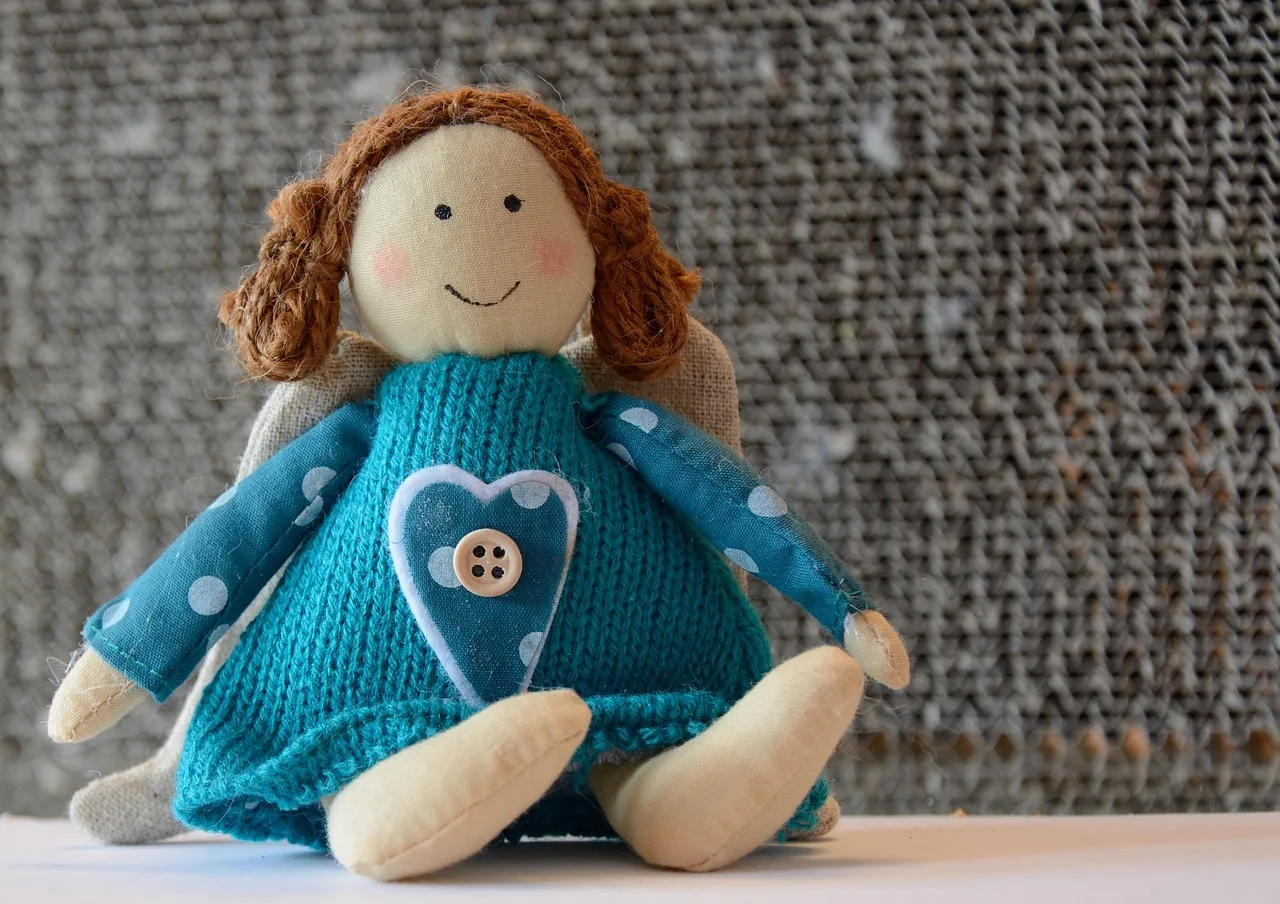
The Cabbage Patch Kid began as a handmade doll on a craft-show table. In 1976, Xavier Roberts, a 21-year-old art student, made his first soft sculptures using “needle molding,” the official Cabbage Patch Kids history says. By 1978 he was selling his handmade “Little People” at arts and crafts shows in the Southeast, where many parents paid a “$40.00 ‘adoption fee.'” In 1981, early editions reportedly resold for up to 100 times that fee.
Then the factory took over. Coleco sold 3.2 million of the dolls by the end of 1983 and 20 million in 1984, the Cedar Rapids Gazette reports.
What a doll cost depends on who’s telling it:
| Price | What it bought | Source |
|---|---|---|
| $40 adoption fee | A handmade Little People doll, 1978 | Official timeline |
| $55, then $90 to $110 by December 1979 | One of Roberts’ dolls | The Gazette |
| $30 to $150, nine-month wait | A Cabbage Patch Kid, around 1984 | Wikipedia |
| About $16 | Supplies for a sew-your-own doll kit based on Martha Nelson Thomas’s dolls, around 1984 | Wikipedia |
That last line belongs to Martha Nelson Thomas, a Kentucky folk artist who had been selling her own handmade soft-sculpture “Doll Babies” at Louisville craft fairs since 1971. Around 1984, while buyers faced a nine-month waiting list for a Cabbage Patch Kid, she sold a Fibre-Craft sew-your-own kit based on her dolls, with supplies that cost about $16.
The Gazette says copycat dolls followed, some stuffed with industrial rags that didn’t meet flame-retardant standards, and local crafters found a profitable market making clothing and accessories for the dolls.
Keep reading
 17 Things Christmas Bazaar Sellers Know That Craft-Fair Guides Don’tSee all 17 →
More you’ll enjoy
 17 Handmade Gifts Grandkids Will Actually Keep
 17 Christmas Crafts for Adults That Make Lovely Gifts
 15 Things Hiding in Grandma’s Sewing Box That Could Be Worth Real Money
The bottom line
Whether to get your supplies back out is easier to answer than it sounds. Pick the one you’d happily do on a quiet weeknight with the radio on. It may not be the one you were best at.
If you know a younger crafter, ask which of these they’ve seen on their phone. You may find you already know how to do the thing they’re trying to learn from a video.
Then start with something you can finish in a weekend, and see by Sunday whether your hands still want it.
Bonus: four more things to check before you start again
- Check where your quilts live. The San Jose Museum of Quilts & Textiles recommends 62 to 72°F and 45 to 55% relative humidity, and says to keep quilts out of attics and basements.
- Put the liner on a schedule too. Nebraska’s guide says to replace acid-free tissue about every five years and wash a muslin liner once a year.
- If latch hook was your craft, WonderArt kits were still sold as of about 2021 in sizes from 8 by 8 inches up to 27 by 40, Yarnspirations says. The hook is sold separately, and you finish the edges by folding the canvas to the back and whipstitching.
- Before you give away old macramé cord, know that the plant hanger made a comeback by 2019, driven by younger people in small homes full of houseplants, now in neutral colors.
Questions people also ask
What decor was popular in the 80s?
The “country” trend took hold in the 1980s, alongside what Sherwin-Williams calls the “mauving of America,” with baby blue and gray. Country Living lists stencils, geese in blue bows, eyelet lace, Laura Ashley prints and dusty pastels from pink to cornflower blue among the 80s looks now returning. Its founding editor, JoAnn Barwick, said of country style in a 1988 New York Times story quoted by Country Living: “There are no rules. It is a very forgiving style.”
Is anyone still doing counted cross-stitch, tole painting or plastic canvas?
Yes for cross-stitch and plastic canvas, while tole painting lost its national society in 2022. Cross-stitch remains a popular hobby with kits in most major craft stores, and plastic canvas has come back on social media since about 2022 to 2023. The Society of Decorative Painters, tole painting’s national body, disbanded in December 2022.
Are old 1980s craft kits and patterns worth anything?
Vintage samplers bring modest sums. One blogger who resells them, mostly from the 1930s to the 1960s, says she buys them for 50¢ to $2 and sells them framed for $25 to $35, so treat that only as a rough guide for 1980s pieces. The exceptions are early handmade originals such as Xavier Roberts’ Little People, which by 1981 reportedly resold for up to 100 times their $40 fee. For samplers, condition is key to value, appraiser Dr. Lori Verderame says.
How do I protect a cross-stitch framed in the 1980s?
Make sure everything touching the stitching is acid-free, with nothing glued or dry-mounted, as framer Anita Spitzhoff advised in 1990. Conservation-grade mat board became much more widely available by the early 1980s, so a piece framed early in the decade may be sitting against the older, acidic kind. Hang the piece away from direct sun, heat and damp, and take a valued piece to a framer trained in conservation framing.
How should I store a quilt made in the 1980s?
Keep it off bare wood, pad it with acid-free tissue or washed unbleached muslin, store it flat if you can, and never use plastic bags, per Nebraska Extension. If it has to be folded, refold it every 3 to 6 months, as the San Jose Museum of Quilts & Textiles recommends, so the strain along the fold lines gets spread around.
How do I make an off-the-shoulder sweatshirt?
Lay the sweatshirt flat and cut through front and back together in a curve, starting just outside the neckline on one side and aiming about halfway between the neck and the shoulder seam on the other. Then stretch the cut edge so it curls. Silhouette School says it curls more after washing.