Freezer paper, dental floss, a bobby pin and 17 more things you already own can stand in for the tools sold in craft stores.
Hold out for the last one. It may already be in one of your drawers, and it’s the best of the lot.
The coat button is hanging by two threads. The good thread is upstairs, and the junk drawer is right there with its rubber bands, takeout menus and a dead battery. You know the stuff around the house could handle this. You just can’t think what. The best household items for crafting are the ones you stopped seeing years ago, and several of them live in the bathroom cabinet.
#20 Freezer paper for stencils and appliqué
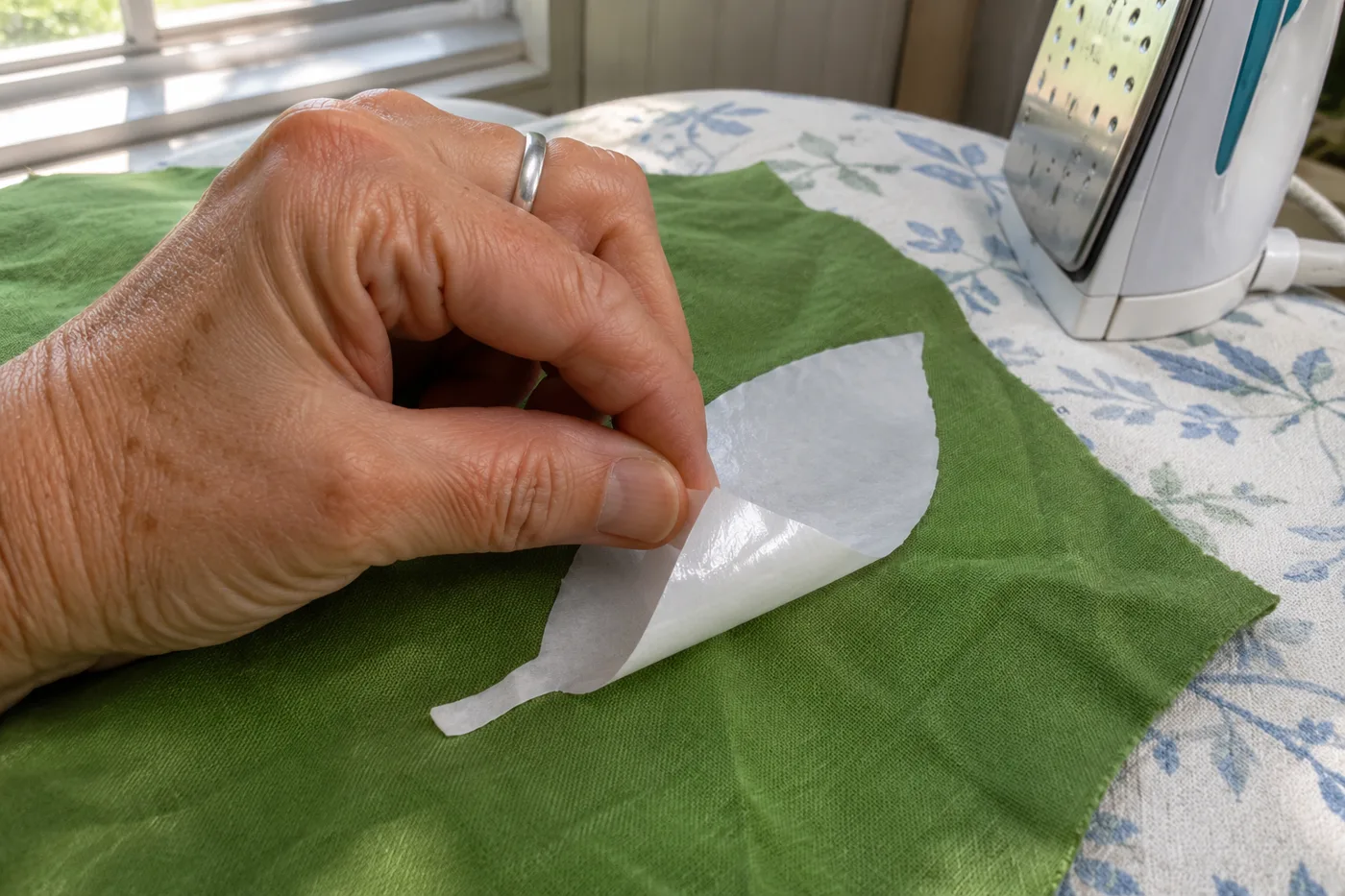
The roll of freezer paper in your pantry has a second job as an iron-on template. Iron it with the shiny side against the fabric, and it sticks.
Tourmaline Thyme Quilts, a quilting pattern blog, says one template can be reused up to 20 times. After that, the shiny side has picked up too much lint to stick. For a sturdier template, iron a few layers together on the dry setting and let them cool.
There are two catches. Use the roll for layering, because the letter-size sheets generally won’t fuse into thicker layers. Also, the iron’s heat erases FriXion lines, so use a different pen for tracing.
#19 Dental floss for coat buttons
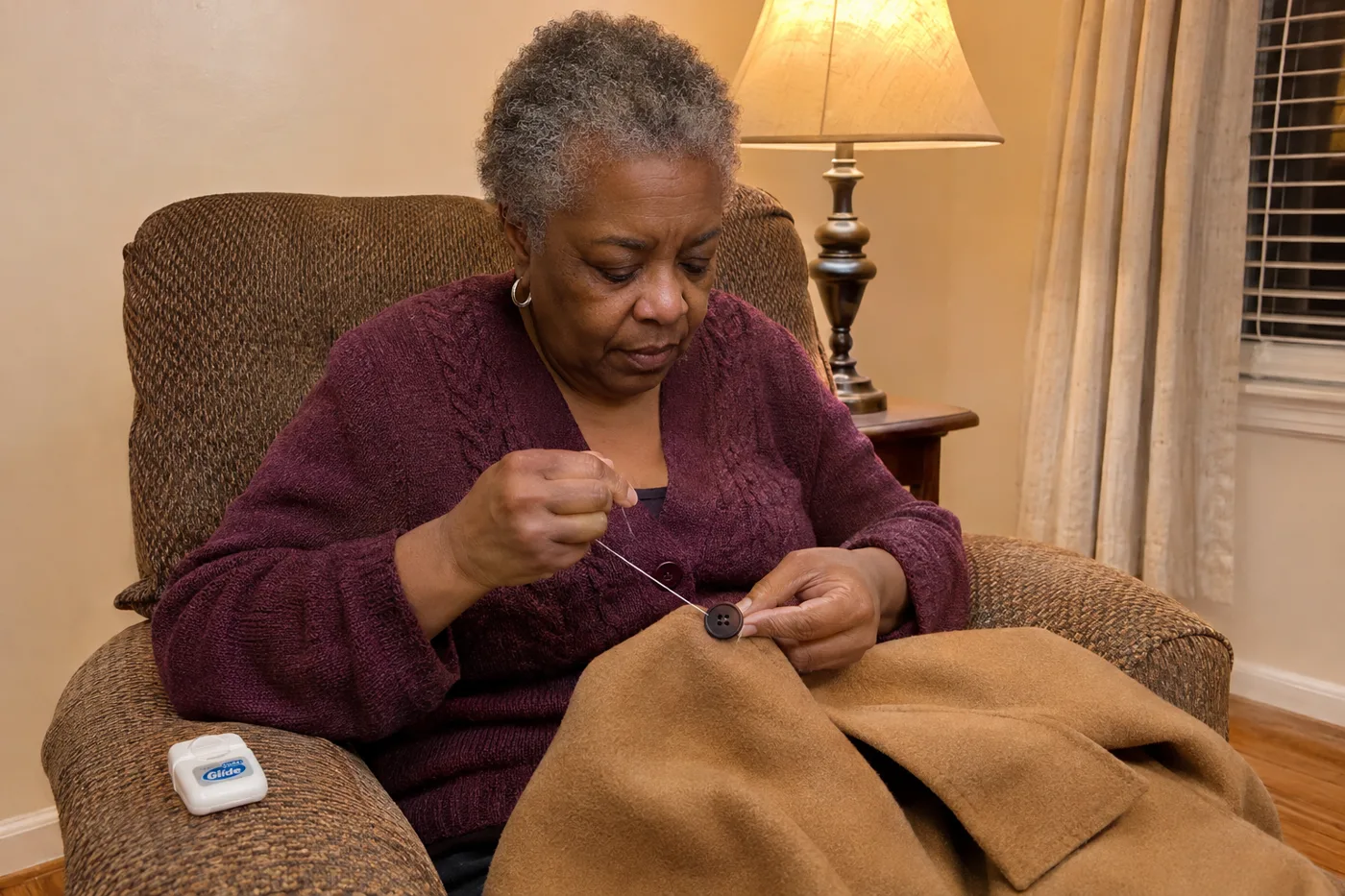
If one coat button keeps coming loose however many times you sew it back on, the button itself may be the culprit. Quilter Malke explained on her blog that burrs in a metal button shank wear through ordinary thread over time. Her answer was simple: she’d read that dental floss is the best thing to use.
Reach for unflavored floss. ClothingDigest, a sewing how-to site, says waxed is a little easier to work with than unwaxed. It also warns that mint floss has a different coating and can leave a faint smell. Nobody wants a peppermint overcoat.
The store-bought version is button and carpet thread. Malke likes it for buttons too, but says it isn’t an all-purpose thread for mending or hemming. Keep the floss for sewing on buttons.
#18 A lint roller at the ironing board
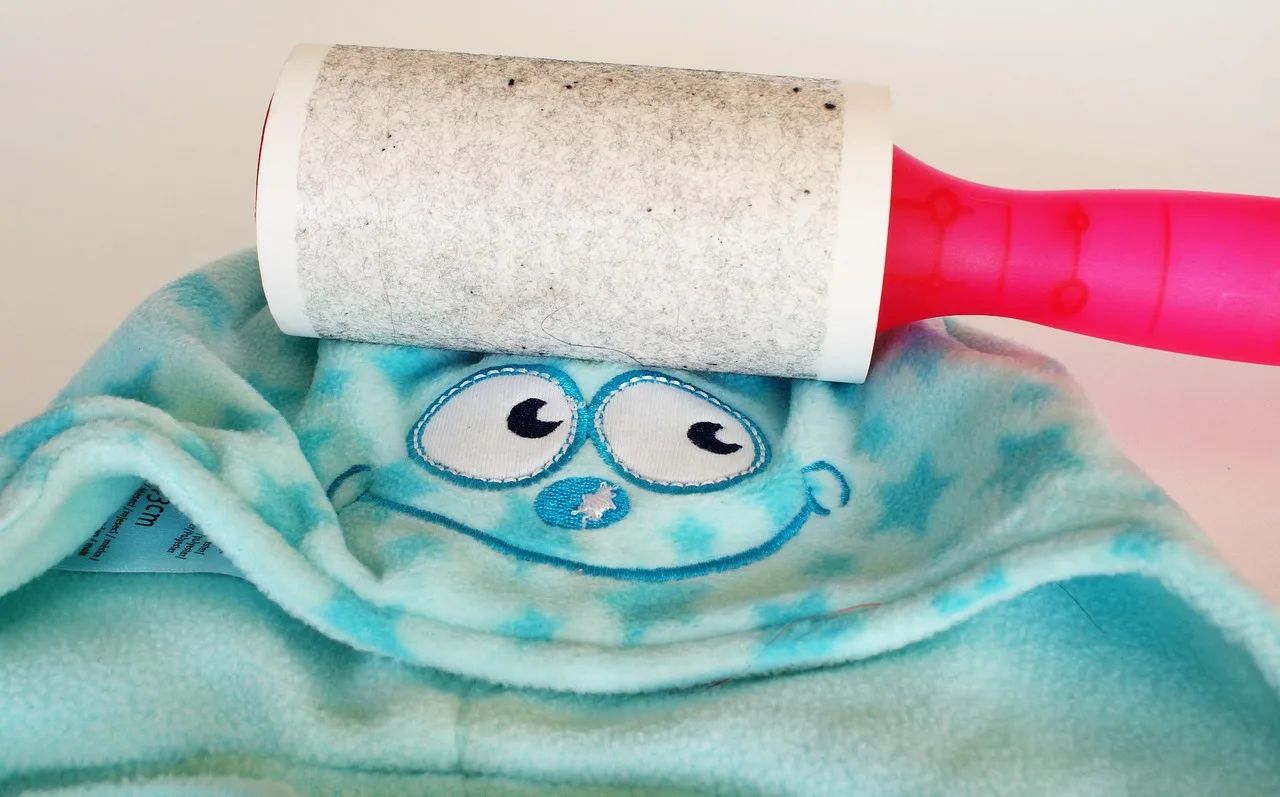
The sticky roller you keep for your good black slacks belongs next to the iron. Quilting teacher Linda Halpin puts it best:
“Roll it over both sides of what you are ironing to collect loose threads off the front and the back of your work.” Linda Halpin, quilting teacher, on her tips page
Halpin also suggests using it to clean the cutting mat, the ironing board and a flannel design wall.
#17 A soap sliver as tailor’s chalk
Keep that thin, cracked end of the bar you couldn’t bring yourself to throw away. Of all the items you already have at home, it may be the cheapest, because it was headed for the trash.
It does the job of tailor’s chalk. Treasurie, a sewing tutorial site, says white soap works well on dark, easily washed fabrics like denim. The marks disappear in the first wash.
Stick to white soap, the kind Treasurie names. Run a test line on a scrap first, then mark your hem.
#16 Wax paper after the foil trick
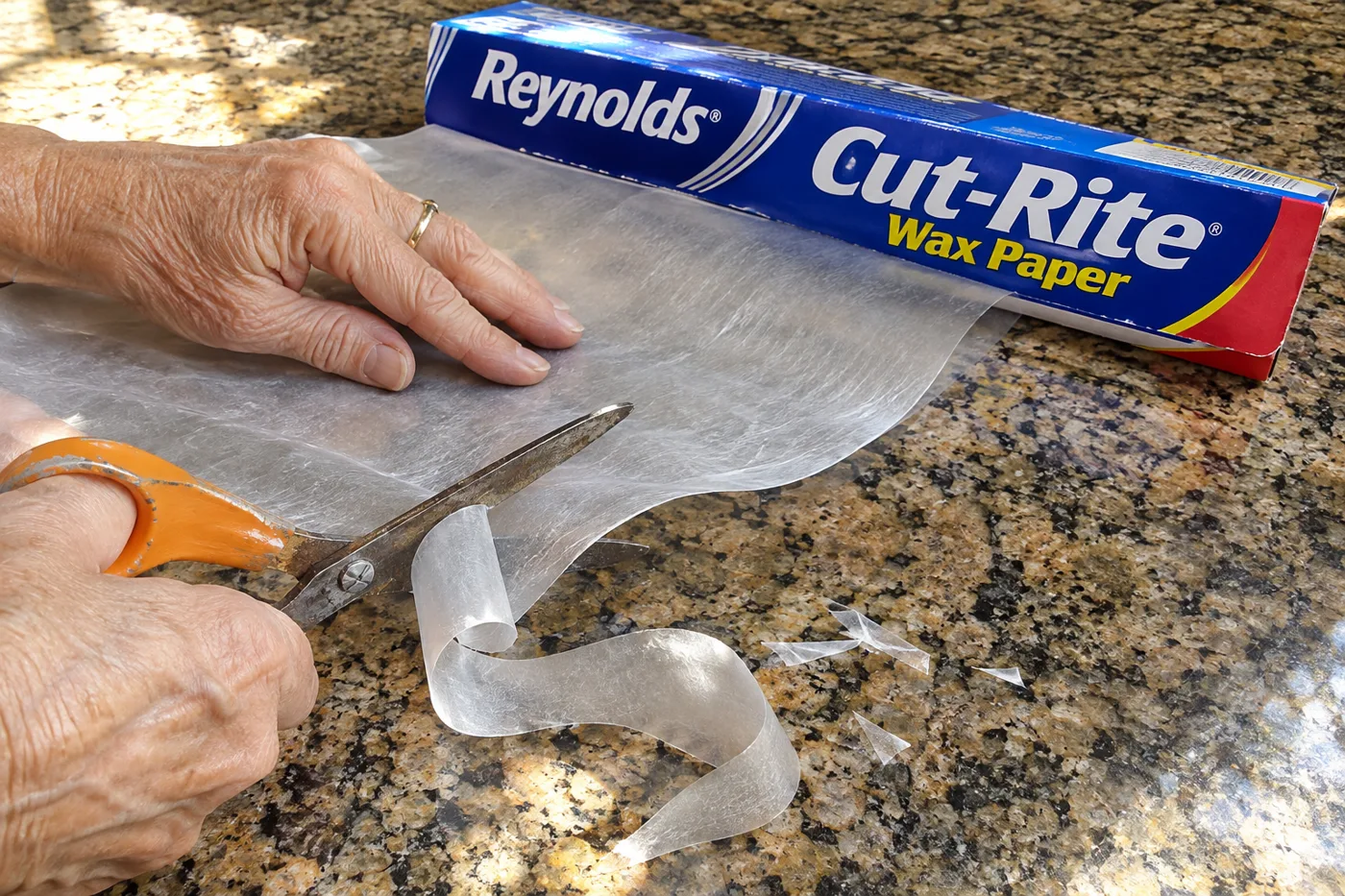
You’ve seen the hack: cut through a sheet of aluminum foil and your dull scissors come back to life. House Digest writer Jennifer Farrington says foil doesn’t technically sharpen scissors, at least not the way a stone or sandpaper would. What it does is clean the blades, and TeachKidsArt says it also helps straighten and align them.
The step people skip is the useful one. Finish by cutting a piece of wax paper, which lubricates the blades.
Call it a tune-up. It’s good for the junk-drawer pair that has been gumming up on packages for years. A reader reply on TeachKidsArt says not to use foil on really expensive scissors.
Did you know?
Even real sharpening costs your scissors something. TeachKidsArt notes that repeated sharpening can eventually wear away the steel.
#15 Painter’s tape as a seam guide
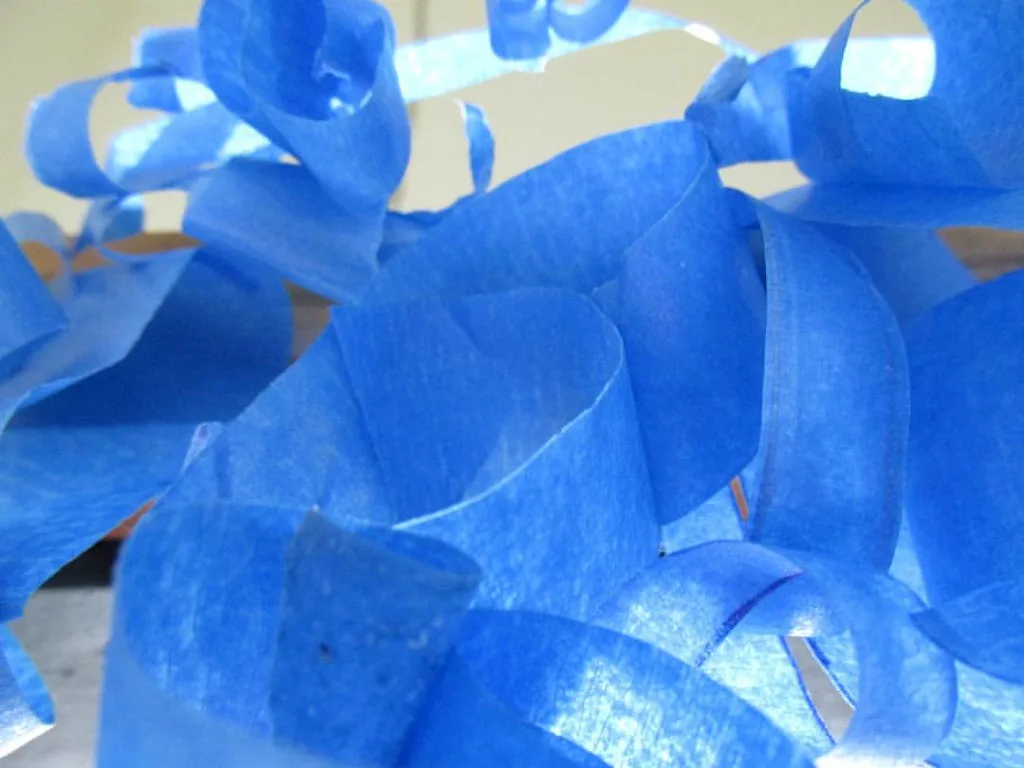
The roll of blue tape left over from painting the spare room makes a seam guide you can move, in place of a store-bought magnetic seam guide. Lay a strip on the machine bed at whatever seam allowance you need, and peel it up when the next project calls for a different one.
The tape has to be low-tack. Sew Can She’s author warns against other kinds of tape that leave a residue, and she learned it the hard way. She tried acetone to clean the gunk off her extension table, and it smeared the printed guidelines.
Her no-tape option is a stack of sticky notes about ¼ inch thick, set down where the fabric edge should run. If your machine has printed guidelines, keep acetone away from them.
 You might also like17 Handmade Christmas Ornaments Our Grandmothers Made
#14 A hand wipe tub as a yarn dispenser
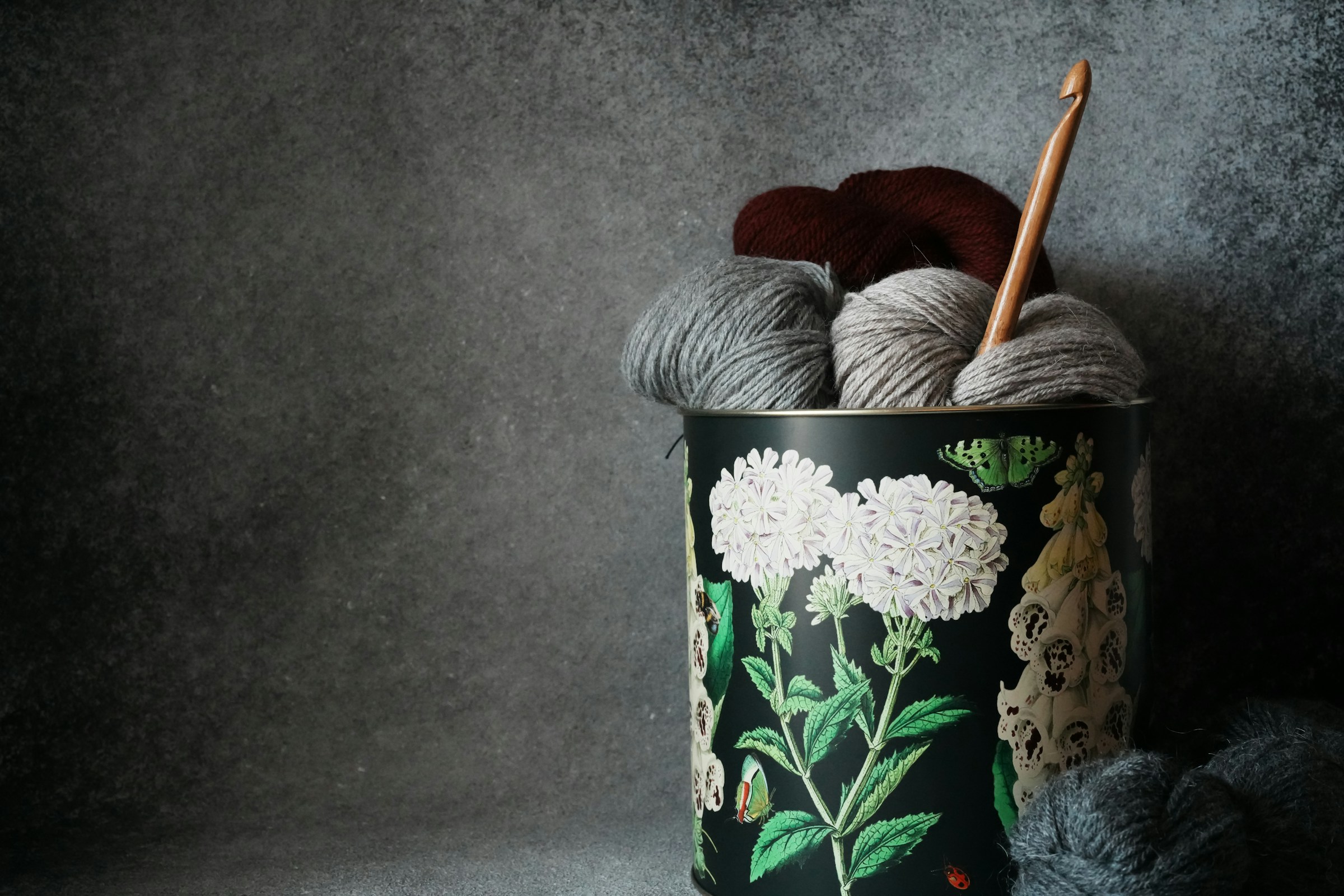
The ball hops off your lap and is halfway across the rug before you notice, unwinding the whole way.
Snappy Living’s very first crochet tip fixes it with one of those everyday items you’d normally toss: an empty, clean hand wipe container. Drop the ball inside and feed the end up through the opening. The yarn pulls out like a tissue while the ball stays put.
That’s the whole job of a yarn bowl, done by a tub you were about to throw out.
#13 A pizza cutter for marking quilting lines
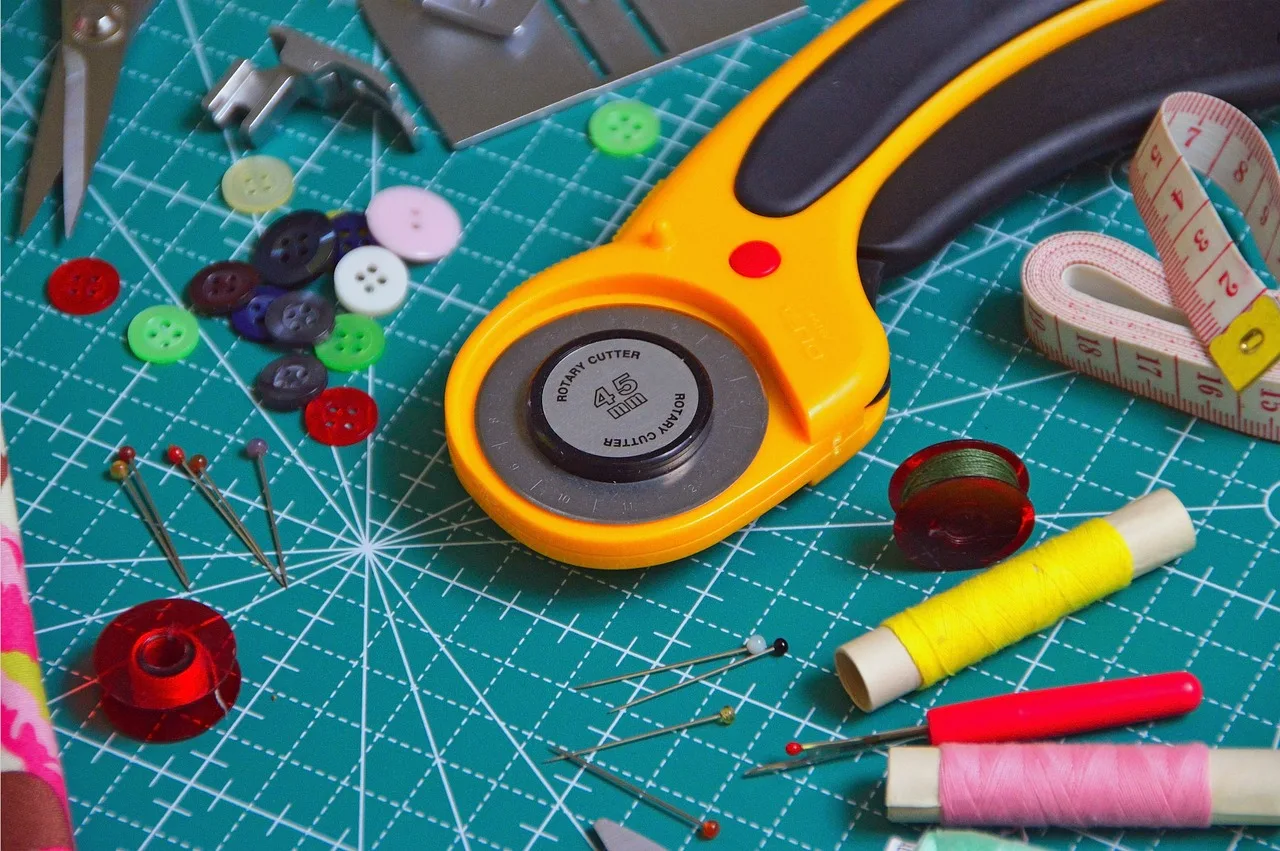
Everyone has eyed the pizza wheel in the utensil drawer and wondered. A quilter on the Quiltingboard forum put an old, dull one to work, but only to mark straight quilting lines. The quilter said there was no way it would have cut the fabric. As craft tools go, that makes it a marker, and no stand-in for a rotary cutter.
OLFA introduced the first rotary cutter in 1979, made for garment sewing. Quilters adopted it quickly.
Whatever wheel you roll, roll it on a mat. The mat is softer than steel, so it keeps the blade sharp. Viewers of one TikTok craft video were alarmed to watch the maker cutting straight on a kitchen countertop. Your counter and your blade both deserve better.
#12 Bobby pins and safety pins as row markers
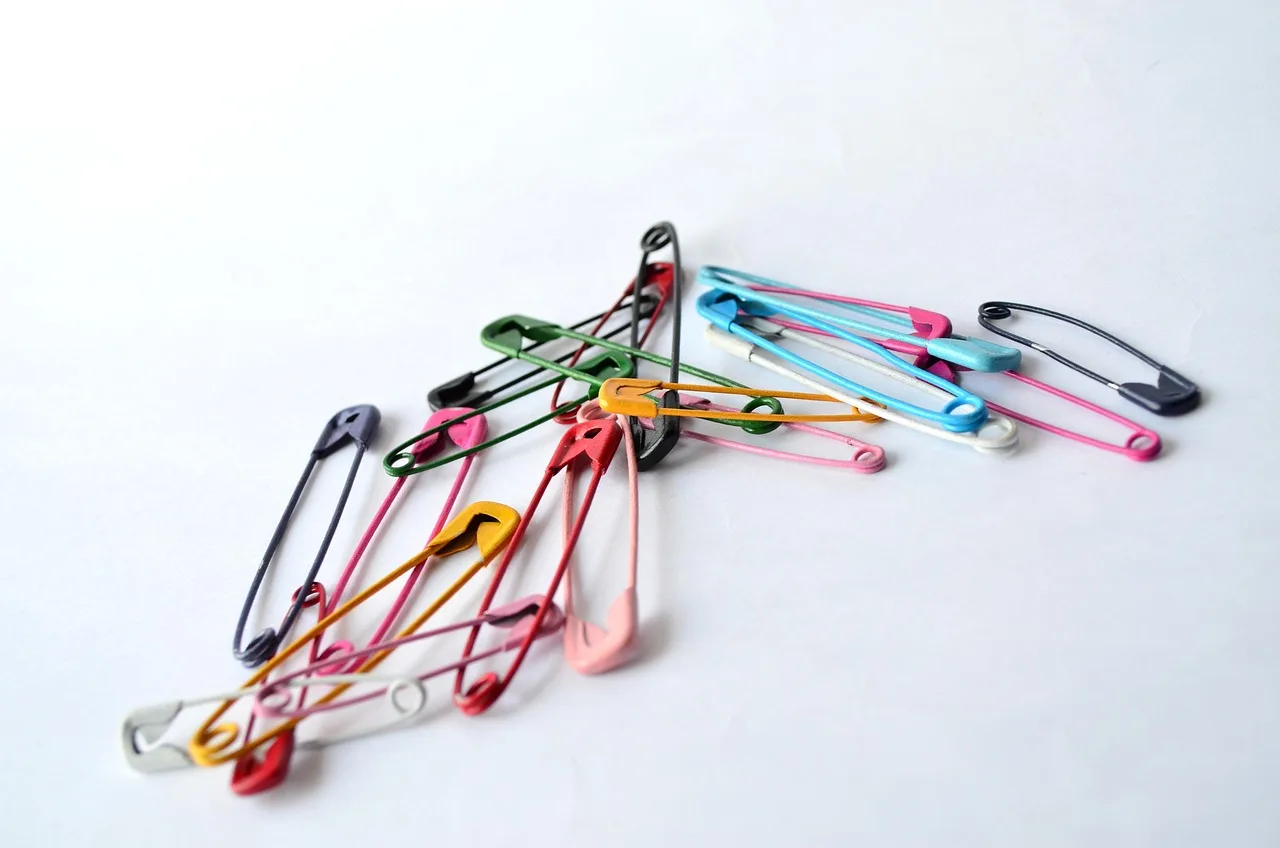
The bobby pins at the back of the bathroom drawer can do the job of a stitch marker set. Snappy Living’s crochet tips suggest you “stick a bobby pin, safety pin, or paper clip” through the stitch, then close it or twist it to mark your row.
#11 Hot glue, and the weight it won’t hold
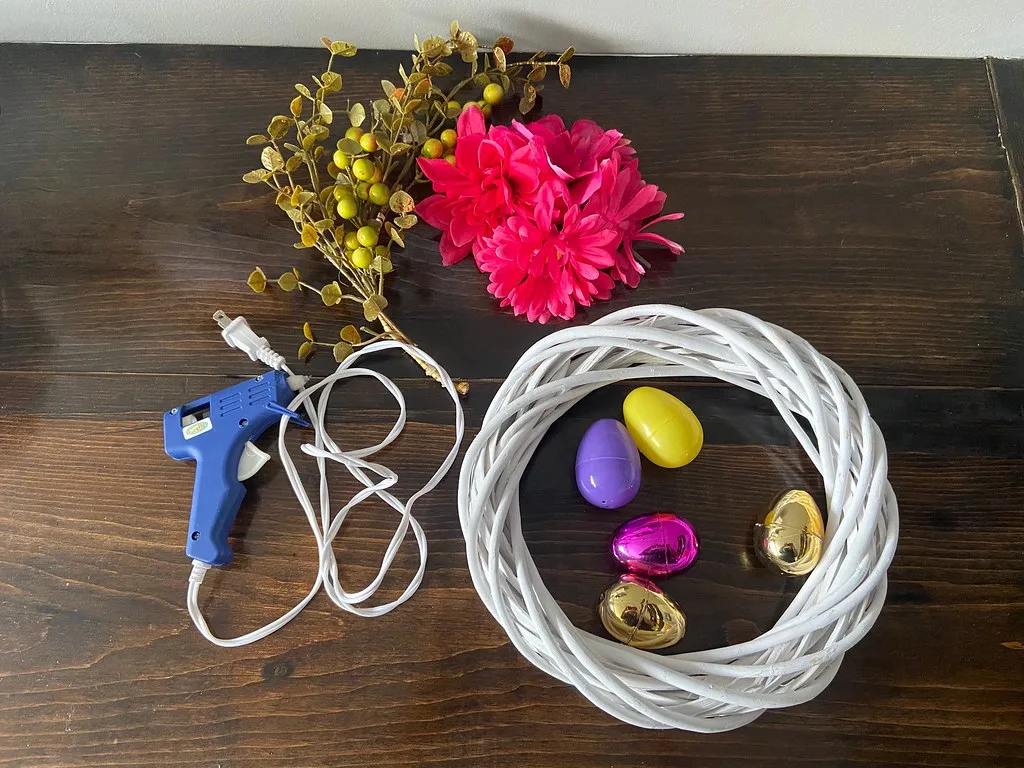
The glue gun is a fine thing to own. It’s also the wrong tool for anything that hangs or holds weight. The Adhesive and Sealant Council, the trade group for glue makers, says hot melt bonds tend to “creep” under continuous stress or heat. In plain words, the glue slowly gives way when something pulls on it all day, like a wreath on a hook or a shelf with something on it.
“That hot glue will last approximately 2 weeks. Ask me how I know.” A maker, in the comments on a TikTok craft video
Other commenters in that same thread recommend wood glue or another stronger adhesive for weight-bearing pieces. Keep the glue gun for things that just sit there, and skip it for anything you’d be sorry to hear hit the floor at 2 a.m.
#10 Beeswax lip balm for thread that tangles
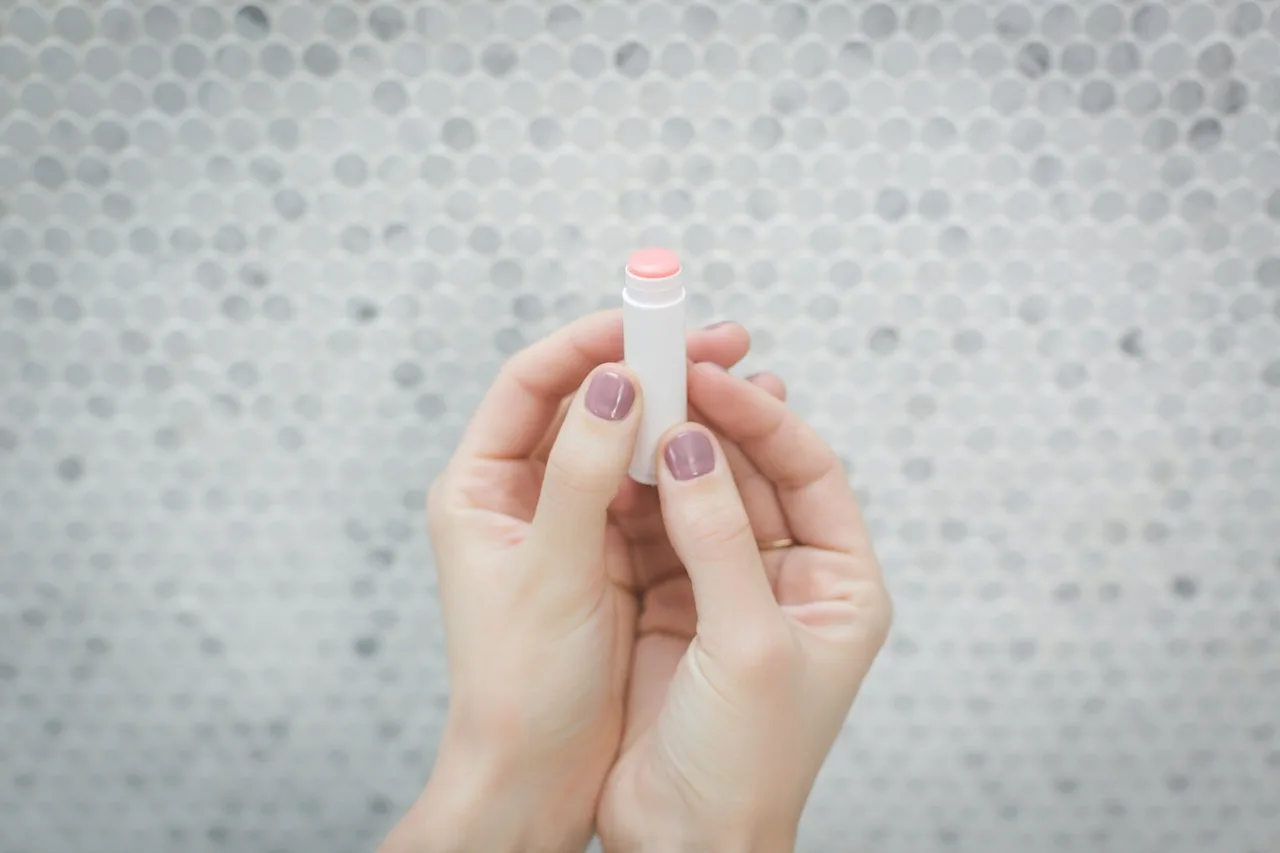
Linda Halpin suggests rubbing beeswax lip balm on your thread to cut down on tangles. Check the ingredients on the tube first.
Mary Corbet, the needlework expert behind Needle ‘n Thread, is strict about what that means: “100% beeswax, not a beeswax substitute, and not beeswax mixed with paraffin.” She says paraffin makes the wax flaky and can make a real mess of your work.
She also keeps waxed thread for strengthening jobs like buttons and beads, not decorative stitching. So wax your button thread and leave your embroidery thread alone.
Did you know?
Wax leaves a mark you won’t see right away. Mary Corbet warns that waxed threads darken over time, so a stitch that matches perfectly today may not match later.
#9 A brush and vacuum for the machine in the closet
Before you write off the old sewing machine, hear this from Lisa Ham of Seamswell Sewing Machine Repair in Northville, Michigan:
“Most of the sewing machines that people trash aren’t even broken and don’t need major repairs.” Lisa Ham, in her video on old machines
Ham says these machines usually need cleaning, oil and sometimes a small adjustment. Brother’s own cleaning steps start with unplugging the machine and taking out the needle, presser foot, plate cover and bobbin case. Then you clean the race with a cleaning brush or vacuum. Brother also says never to oil the bobbin case.
One repair-shop host on YouTube keeps his rubbing alcohol in a reused conditioner bottle. Before rubbing alcohol goes anywhere near your machine, check your own manual.
#8 A kitchen scale for leftover yarn
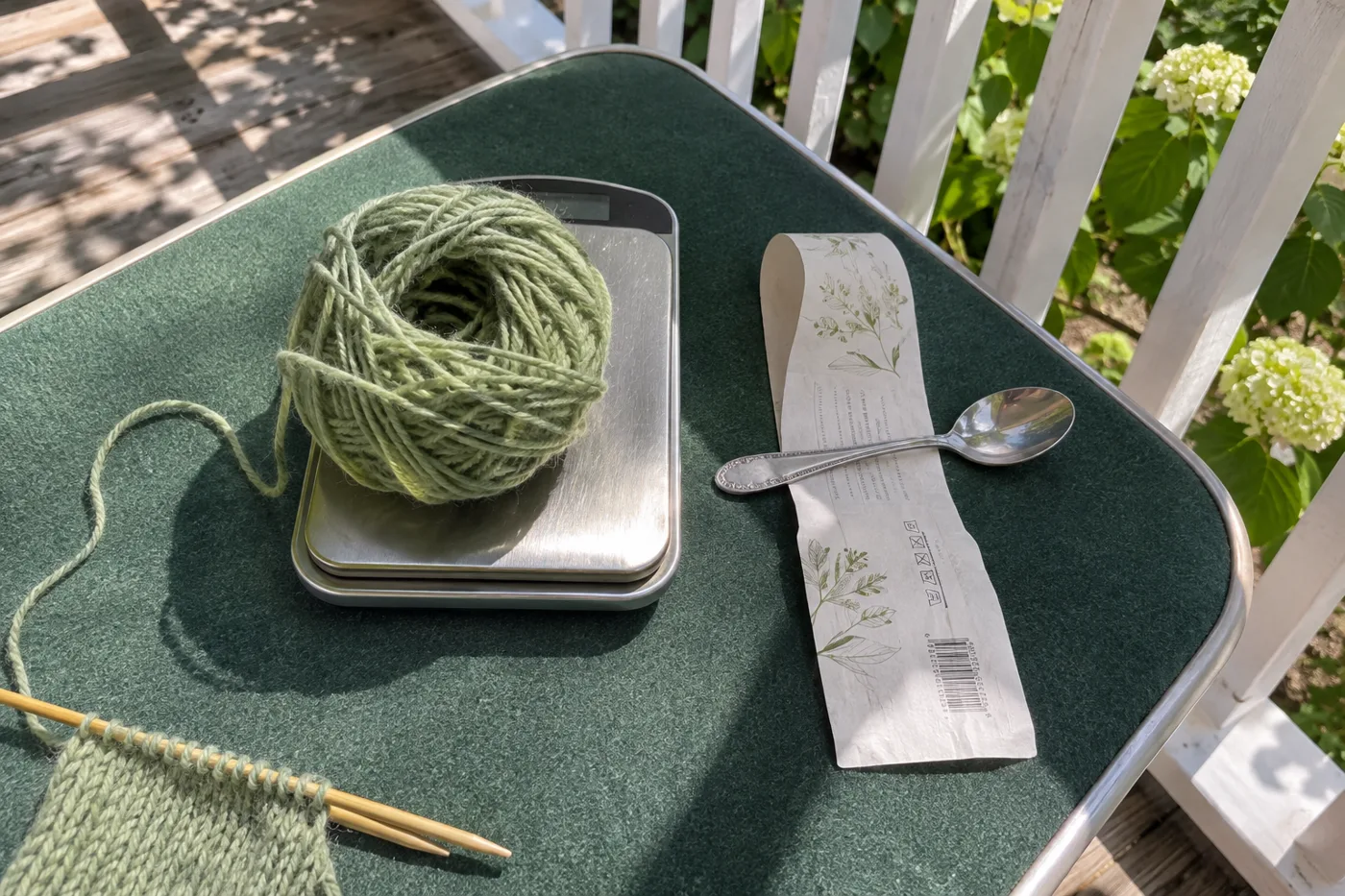
You have half a ball of something lovely, no idea how much is left, and a pattern that wants 90 yards. The scale you use for baking can tell you.
Knitwear designer Andrea Rangel uses the yards and grams on the label for a full skein. Her example is a skein of 400 yards that weighs 113 grams, which works out to about 3.54 yards per gram. If your leftover ball weighs 27 grams, multiply 27 by 3.54 and you have about 95 yards.
It’s one of the best craft tools in the house, with one catch. You need the full-skein numbers from the label, so a mystery ball from the bottom of the stash will only get you a guess.
 You might also like17 Dollar Store Christmas Crafts That Look Expensive
#7 A flannel-backed tablecloth as a design wall
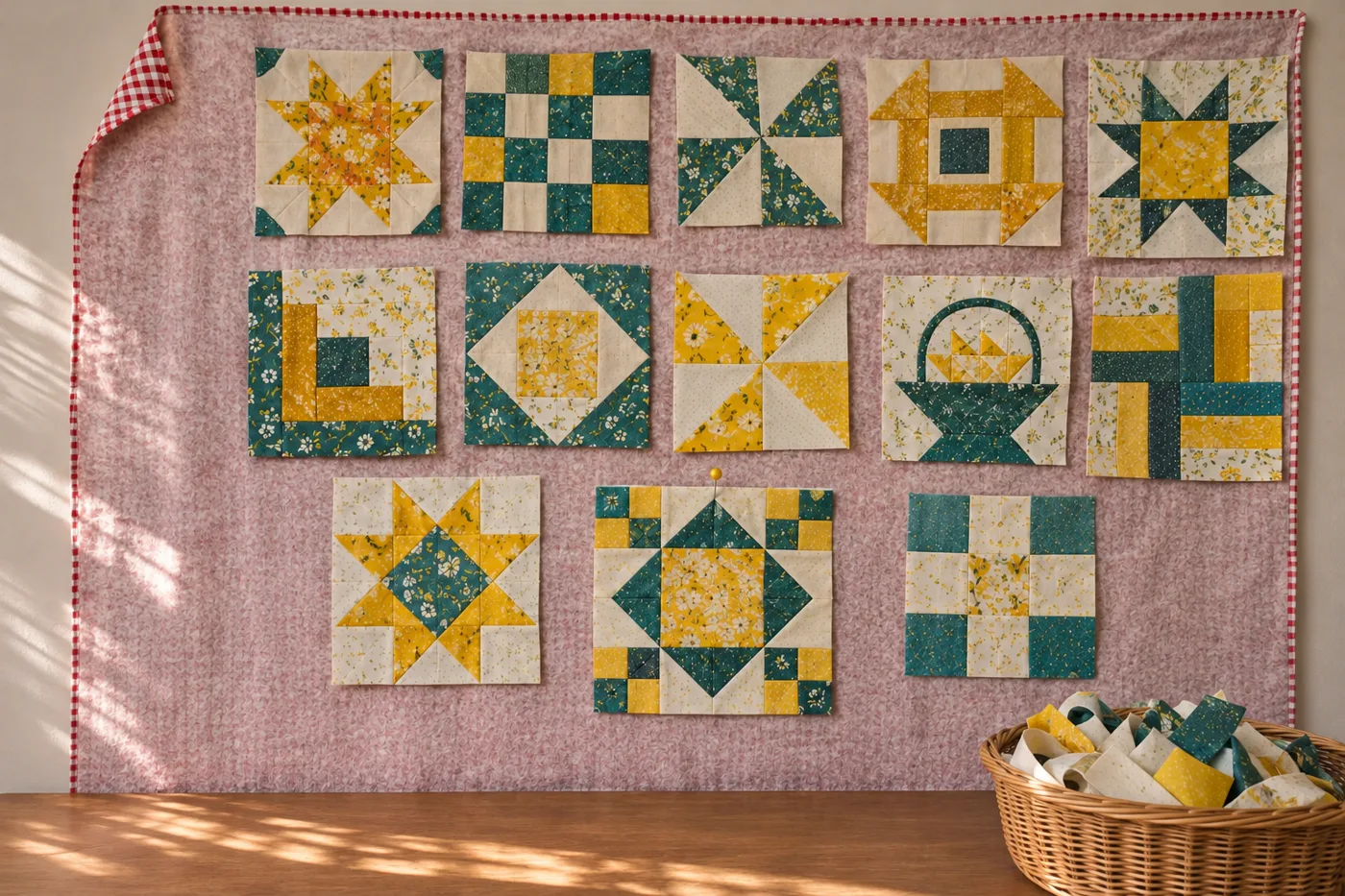
The picnic tablecloth from the cookout, vinyl on one side and soft flannel on the other, is a design wall waiting to happen. Suzy Quilts says to hang it flannel side out.
It’s a hack with one honest limit. Suzy Quilts warns that “the heavier your sections become, the more likely they will fall.” A straight pin through the heavy ones keeps them where you put them.
#6 A mint tin as a travel needle case
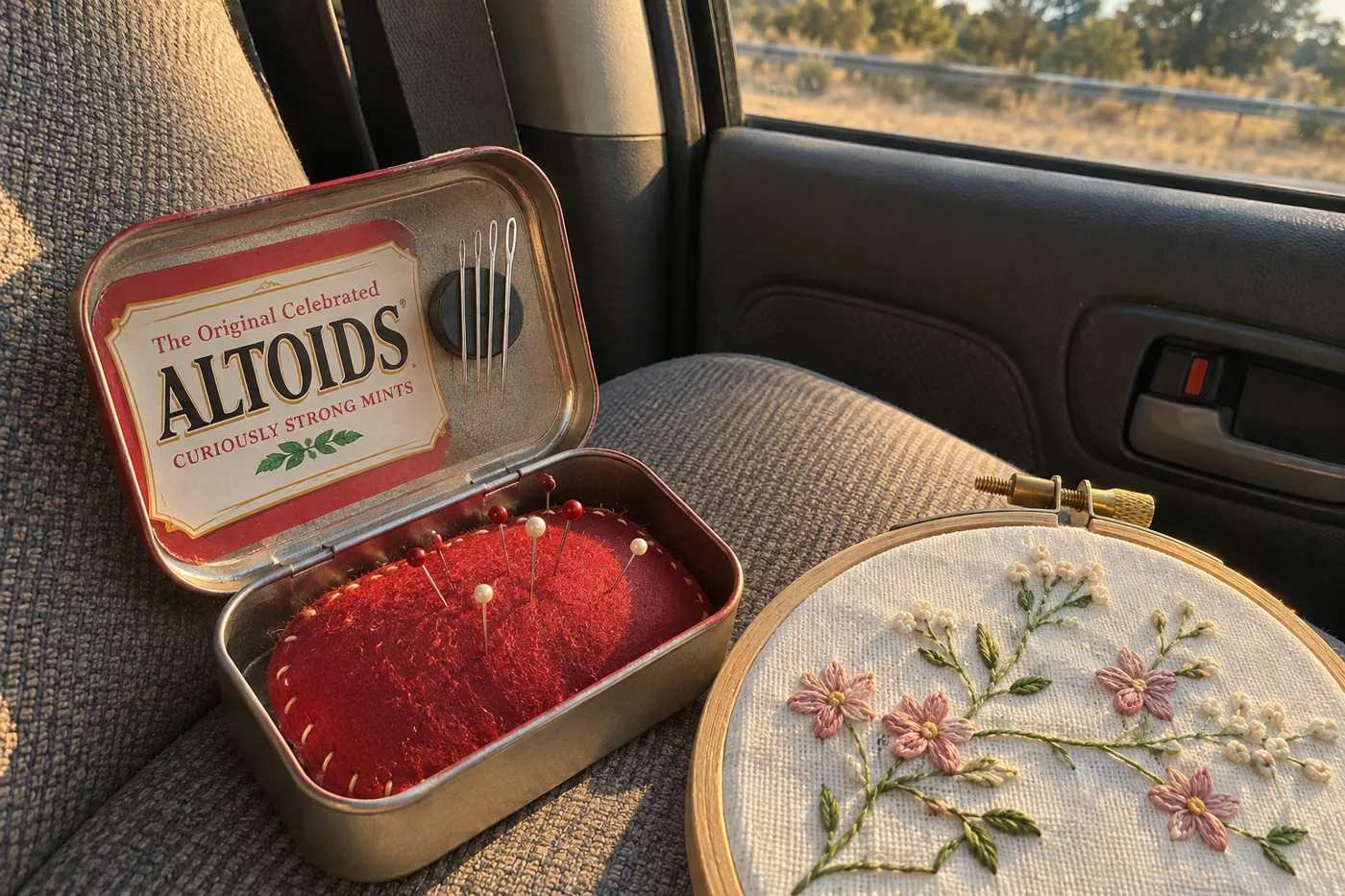
You’re in the passenger seat on a long drive with a hoop in your lap. Then the needle slips and disappears into the seat.
Make: magazine’s embroidery kit, designed by Haley Pierson-Cox, fixes that with an empty Altoids tin and two ¼-inch disk magnets. One magnet is sewn into a felt pincushion that sticks to the lid. The other sits on the lid and holds pins and needles while you stitch. She calls the tins “absolutely perfect for keeping embroidery supplies in order while stitching on the go.”
The tin is a good start for a whole kit.
A starter craft box from your drawers – A white soap sliver for marking dark fabric – Unflavored waxed floss for buttons – A lint roller for loose threads – Low-tack painter’s tape for a seam guide
#5 A sunny window as a light box
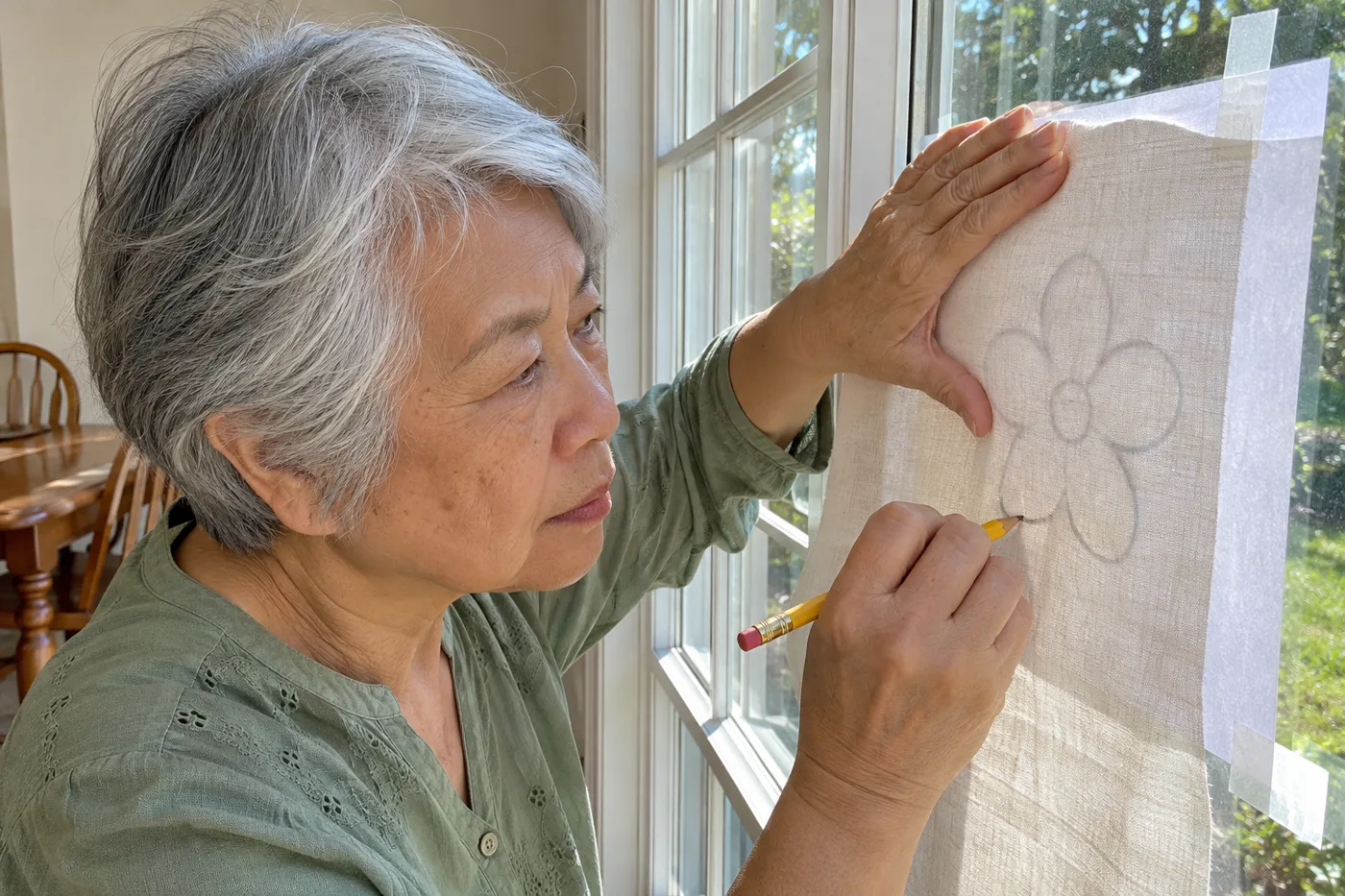
You don’t need a light box or an LED pad to trace an embroidery pattern. Embroidery artist Sarah K. Benning lists a bright window as one of her three options. She says to “tape your pattern to a well-lit window.”
Her other tips are practical ones. “Work on a bright day.” If you’re holding the hoop up to the glass, “take breaks!” For dark fabric, she switches to a white pencil or pen.
#4 Old T-shirts cut into yarn
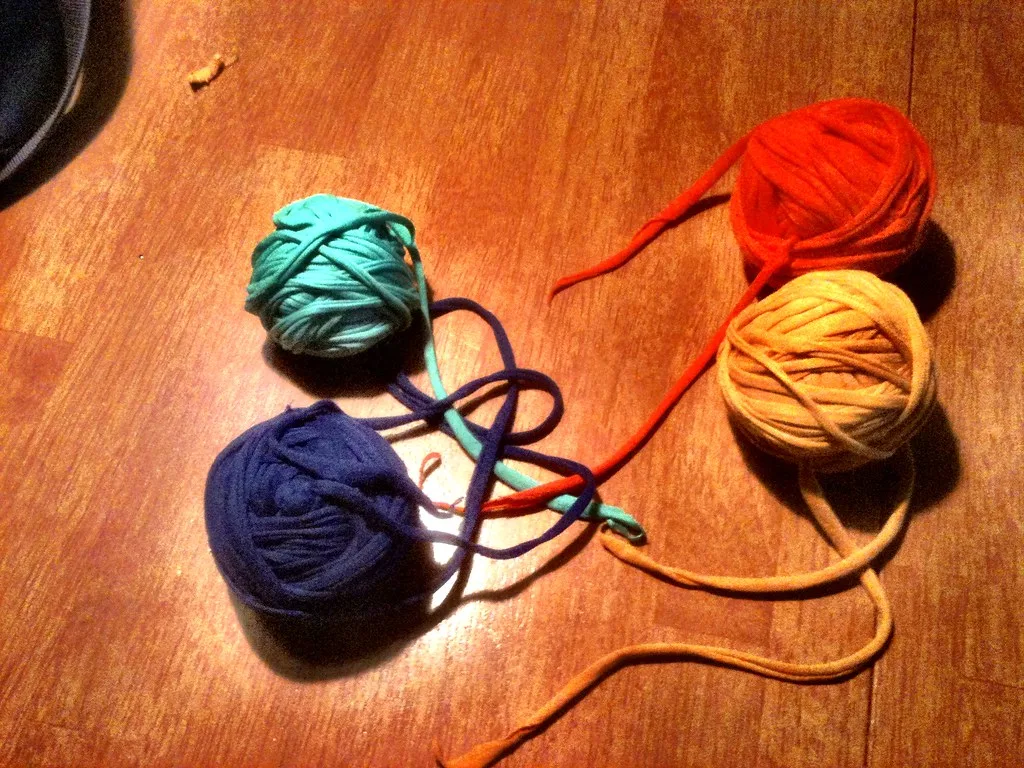
Most of us have a drawer of shirts nobody will wear again: the fun run, the family reunion, the souvenir from a beach you barely remember. Cut into one long strip, an old T-shirt becomes yarn.
It’s an upcycle that’s overdue. From EPA and Census Bureau figures, we estimate Americans landfilled about 69 pounds of textiles per person in 2018, averaged across every resident.
Craft Passion’s method joins strips cut from a shirt into one long strip. A reader on that site reports getting about 30 to 36 yards from a men’s large at 1-inch strips.
T-shirt yarn in four steps 1. Pick a shirt with no side seams. 2. Cut strips no narrower than 15 mm, about 0.6 inch, because thinner ones break when pulled. 3. Slant-cut the end of each strip into the next to make one long strip. 4. Tug it so it curls into a tube.
Several commenters say old T-shirts also make cleanup rags.
Did you know?
Only 14.7% of the textiles generated in the US in 2018 were recycled, the EPA says. For clothing and shoes, the rate was 13%.
#3 Old picture frames for needlework
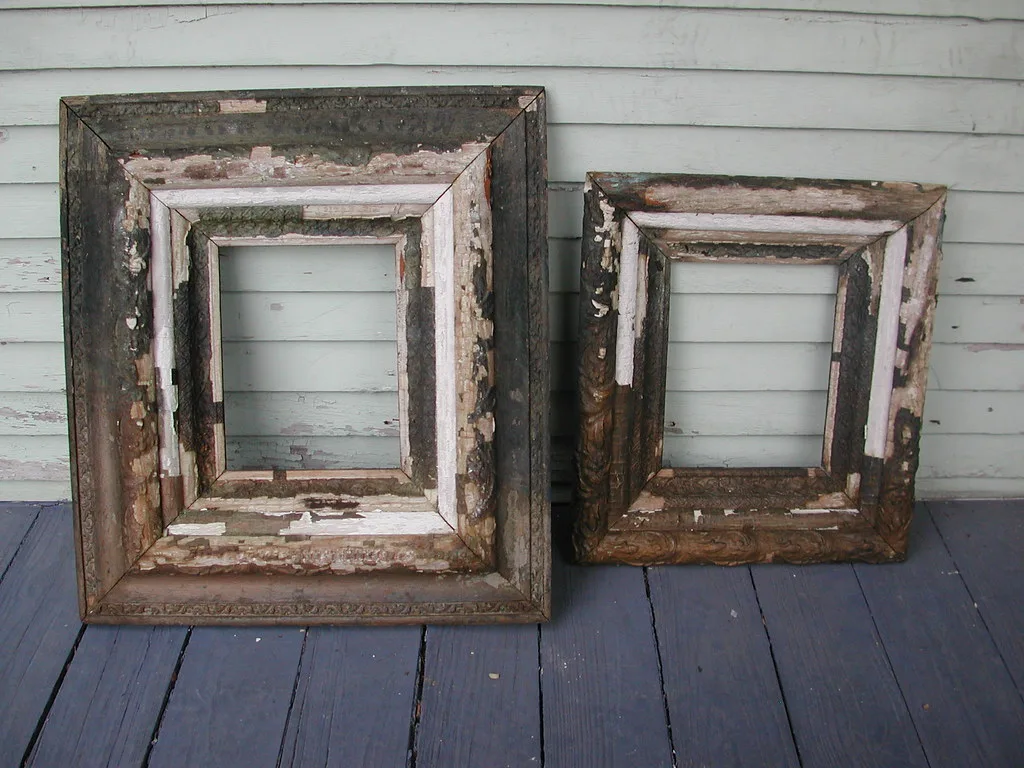
That carved wood frame from the yard sale is a perfect home for your cross-stitch. What’s inside it may be the trouble.
Dr. Lori Verderame, an antiques appraiser with a Ph.D. from Penn State, says frames from roughly the 1960s to the early 1980s often have a cardboard backboard and mat that contain acid, which harms whatever is framed. If you repurpose one for your own stitching, her advice is plain: “So you want to remove the cardboard if you can.” Getting the back open takes no special tool. In her words, “you got to get a pair of pliers or a screwdriver.”
Replace the old backing and mat with new acid-free ones. The Northeast Document Conservation Center gives similar advice: take things out of acidic mounts, remat with preservation-quality materials and reuse the original frame. Its guidance is written for paper, though, not textiles.
Keep the frame. Lose the cardboard.
#2 A lightbulb as a darning egg
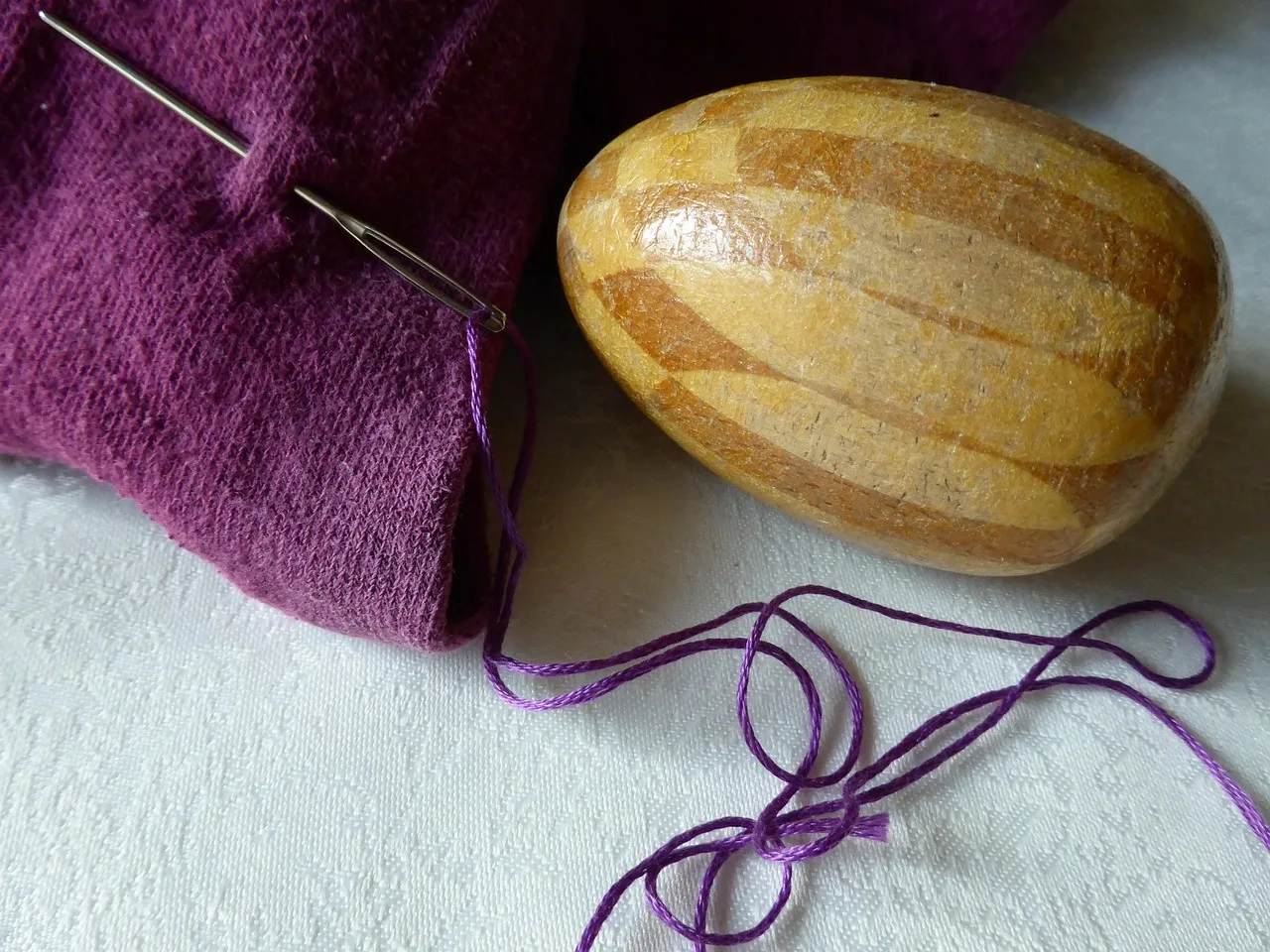
Slip the heel of a sock over a burned-out light bulb. The hole sits stretched and still, ready to darn.
If there was a darning egg in the mending basket you grew up with, it was probably wood, stone or porcelain. Some households used darning mushrooms or gourds instead, and some used the shell of a tiger cowry.
The rule for a stand-in is generous. Anything round that can stretch and hold the fabric works, and lemons and lacrosse balls both make the list. If you’d rather not darn over glass, grab the lemon.
#1 Flour-sack towels for embroidery
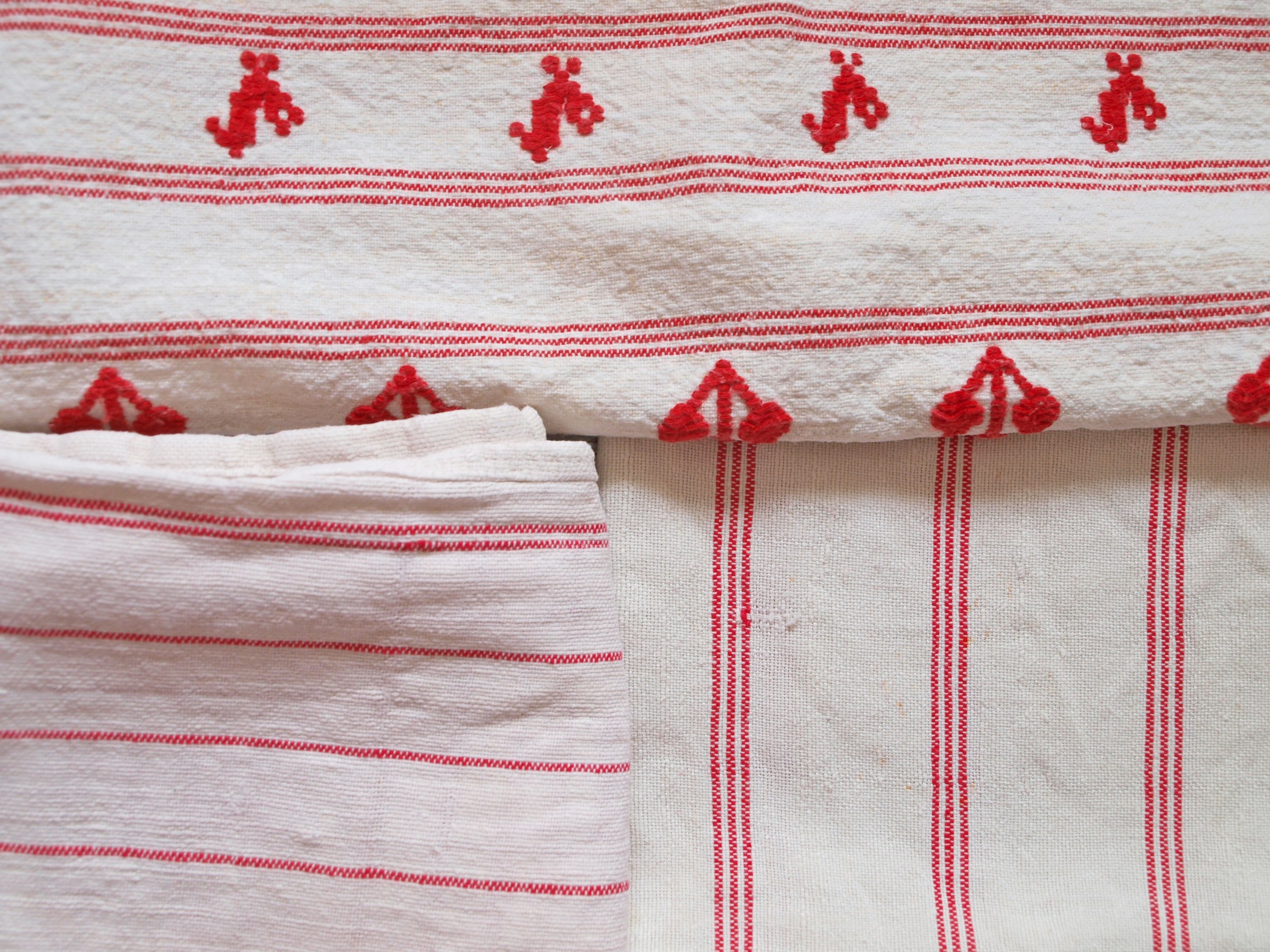
Pull one of those plain white flour-sack towels out of the drawer and look at it the way an embroiderer would. Mary Corbet describes it as “relatively thin, large, lint-free, firmly woven cotton.”
Wash it first. “Always run them through the laundry before you stitch them,” she says. She washes hot and machine-dries, which takes out the sizing and lets the towel shrink before your stitches go in.
Flour and feed companies once printed patterns on their sacks to win shoppers. They printed the brand names in water-soluble ink, so a good wash left only the pretty print behind. A dress could take more than one sack. Paper sacks replaced cloth in the 1960s.
Hand embroidery suits kitchen towels, pillowcases and napkins. Picture seven towels with seven days of the week, finally a home for the thread colors you’ve been saving.
Keep reading
 17 Things Christmas Bazaar Sellers Know That Craft-Fair Guides Don’tSee all 17 →
More you’ll enjoy
 17 Handmade Gifts Grandkids Will Actually Keep
 17 Christmas Crafts for Adults That Make Lovely Gifts
 15 Things Hiding in Grandma’s Sewing Box That Could Be Worth Real Money
The bottom line
Somewhere in your house there’s a drawer you open every day without seeing what’s in it. Now you’ll see a seam guide, a row marker and a darning egg.
Which drawer is yours: the one with the bobby pins, or the one with the scissors nobody else is allowed to touch?
Pick one, pull out the first thing your hand lands on, and give it a craft job this week.
Bonus: three checks before you buy anything new
Before you buy project bags, save the zipper bags that new sheets and bedding come in. Snappy Living says they’re great for storing yarn and unfinished projects.
If an old machine still fights you after a good cleaning, check the bobbin before you call a repair shop. Lisa Ham of Seamswell Sewing Machine Repair names the wrong bobbin as a common reason people get frustrated with a machine.
No flannel-backed tablecloth in the house? The main design wall Suzy Quilts recommends is 100% cotton batting held to the wall with Command strips.
Questions people also ask
Can I use dental floss instead of thread for sewing?
For sewing on buttons, yes. ClothingDigest says unflavored floss works quite well in an emergency. Quilter Malke recommends floss because metal button shanks cut through ordinary thread over time. ClothingDigest also says waxed floss is easier to handle than unwaxed and that mint or flavored floss can leave a faint smell, so choose unflavored.
What can I use instead of a rotary cutter?
A kitchen pizza cutter can mark straight quilting lines, but it stands in for marking, not cutting. A quilter on the Quiltingboard forum who tried an old, dull one used it only for marking and said it couldn’t have cut the fabric. For real cutting, a rotary cutter belongs on a mat, which is softer than steel and keeps the blade sharp.
Does aluminum foil sharpen scissors?
No, foil doesn’t truly sharpen scissors, but it can clean the blades and help straighten and align them. House Digest and TeachKidsArt both say to finish by cutting wax paper, which lubricates the blades. A reader reply on TeachKidsArt says not to use sandpaper or aluminum foil on really expensive scissors.
What can I use instead of a light box for tracing?
A sunny window works. Embroidery artist Sarah K. Benning says to tape the pattern to a well-lit window and work on a bright day. She uses a white pencil or pen on dark fabric and suggests taking breaks if you’re holding a hoop against the glass.
What glue is stronger than hot glue for crafts?
For anything that hangs or carries weight, viewers of a TikTok craft project recommended wood glue or another stronger adhesive instead of hot glue. The Adhesive and Sealant Council says hot melt bonds tend to creep, meaning they slowly give way under continuous stress or heat.
What are some good items to put in a craft box?
A good household craft box can start with a white soap sliver, unflavored waxed floss, a lint roller, low-tack painter’s tape, safety pins and a mint tin with a magnet. The soap marks dark, washable fabric, according to Treasurie. The floss handles buttons, and the tape makes a movable seam guide, per Sew Can She. Make: magazine’s mint-tin kit uses small magnets to hold needles while you stitch.
Sources (31)
Where the facts in this article come from.
- Tourmaline Thyme Quilts
- The Quilter: Quilting with Malke
- Linda Halpin
- Sew Can She
- Yarn bowl
- OLFA introduced the first rotary cutter
- Roll it on a mat
- Comments on a TikTok craft video
- In her video on old machines
- Brother USA Support
- Repair-shop host on YouTube
- Andrea Rangel
- Make:
- Old T-shirt becomes yarn
- US EPA, Textiles: Material-Specific Data
- "So you want to remove the cardboard if you can."
- Needle 'n Thread
- Delaware Historical and Cultural Affairs
- Hand embroidery
- TeachKidsArt
- Needle 'n Thread
- ClothingDigest
- Treasurie
- House Digest
- Snappy Living
- Quiltingboard Forums
- Adhesive and Sealant Council
- Suzy Quilts
- Sarah K. Benning
- Craft Passion
- NEDCC Preservation 101