Sixteen Valentine ideas, from a quilted mug rug to a framed card, with times, materials and costs wherever we found them.
The reds and pinks sit on one shelf of the sewing room closet. There are fat quarters folded in thirds, a few balls of cotton left over from dishcloths, and a skein of floss still in its paper band. You could make almost anything from that shelf. The best Valentine’s Day crafts for adults start right there, with a handmade Valentine’s Day gift from a quilter, knitter or stitcher. Made in the right fiber and finished the right way, it’s the one that gets used for years.
#16 Quilted heart mug rug from scrap fabric
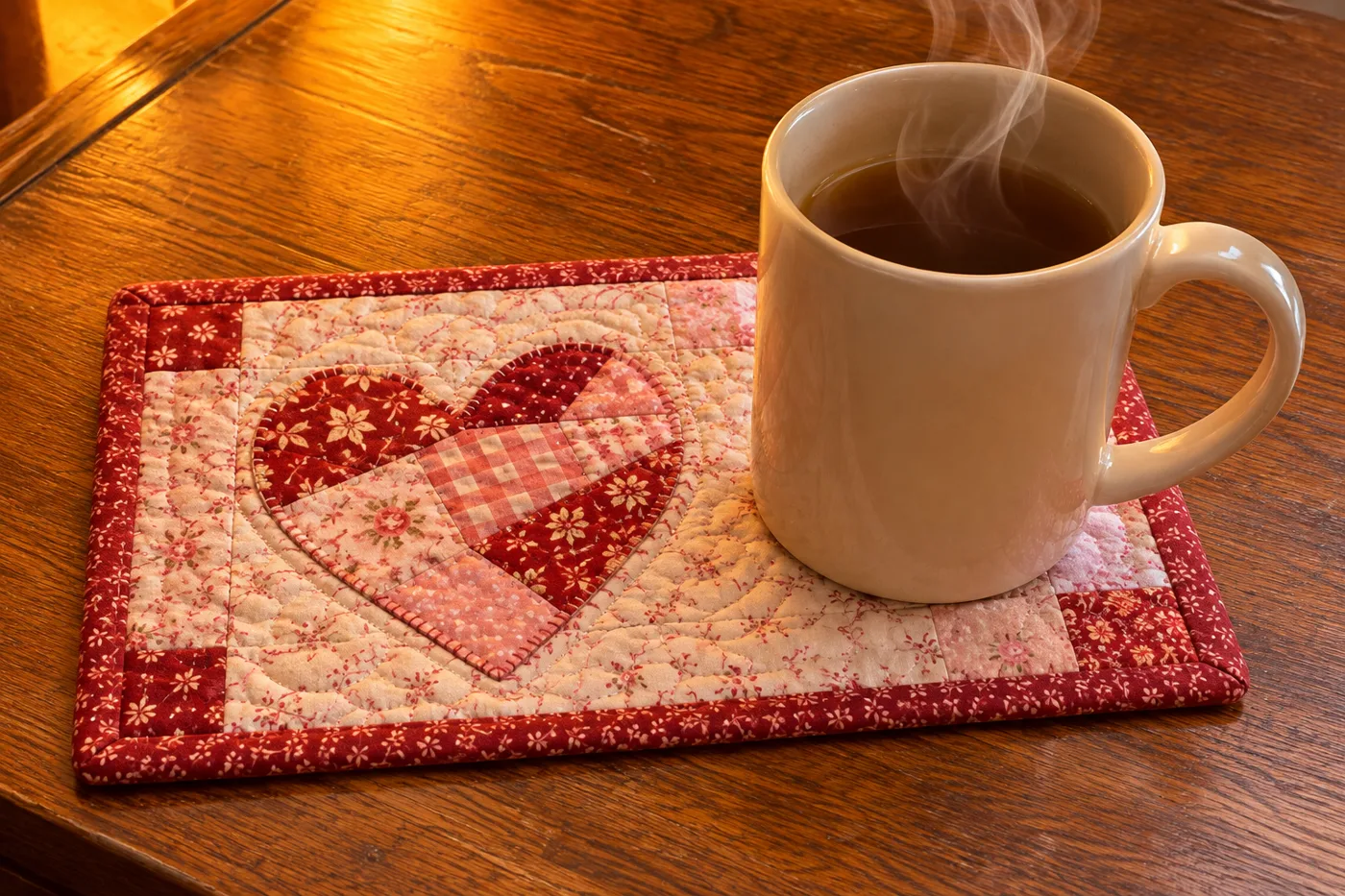
A mug rug takes 10 to 20 minutes unbound, or 4 to 6 hours for a pieced, appliquéd one. Which one you make decides who it’s for.
The quick one is unbound. Treasurie puts a plain unbound mug rug at 10 to 20 minutes, and its recipe card lists 30 minutes all in. Binding adds time.
The slow one belongs to Julie Cefalu of The Crafty Quilter. Her 6 × 9 in. rug is pieced from seven scraps at least 1¾ in. wide, then appliquéd. She makes it quilt-as-you-go and cuts the backing and batting 6½ × 9½ in. each. She’s honest about the clock: “It only takes about 4-6 hours to make one.”
That “only” is a quilter talking.
Most mug rugs land between about 6 × 9 and 10 × 12 in. A quarter yard of cotton makes one, and Treasurie calls fat quarters the economical way in.
Use cotton or insulating batting. Treasurie warns that synthetic fabrics “may mark or even melt when heat is applied.” It says quilted mug rugs “can be easily washed,” though it gives no settings.
Of the mug rugs here, the unbound one is the quickest, at 10 to 20 minutes. Make the 20-minute version for the coffee drinker who sets a mug down wherever they happen to be standing. Save the 4 to 6 hour one for someone who’ll turn it over to look at your stitches.
#15 An embroidered heart or initial on a hankie
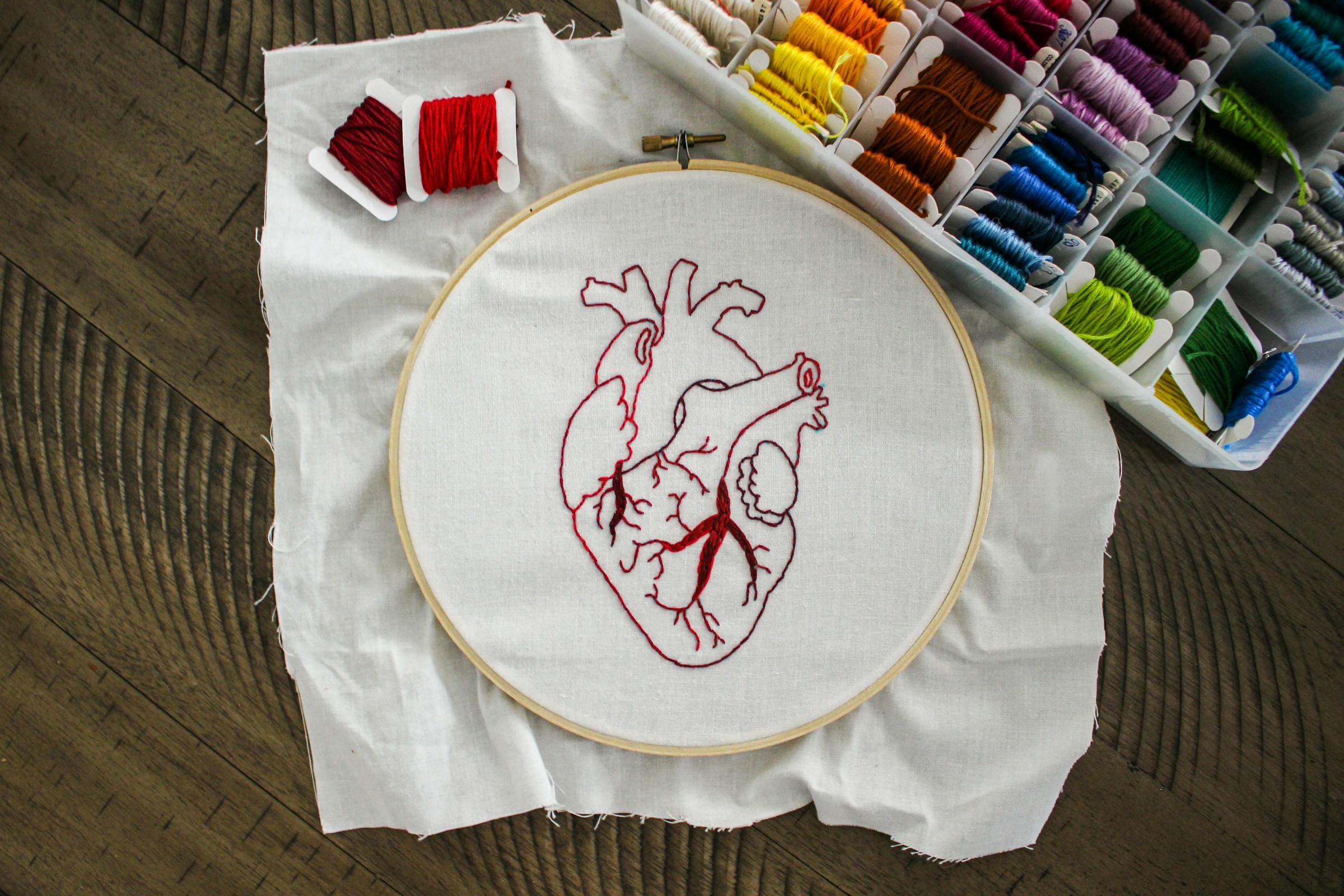
This one asks for a plain cotton hankie and six-strand cotton floss.
It’s also something women did a hundred years ago. In the 1920s, women embroidered their own hankies, once a hankie had become more fashion than hygiene. In the 1930s a new handkerchief was one of the few affordable ways to update an outfit. During WWII, the Seymour Historical Society notes, “They cost .05 to .50” and were sold tucked into holiday gift cards.
You may still have a box of them somewhere. They’re ironed into squares, with somebody’s initial in one corner, worked in a stitch you could name at a glance.
The floss is the cheap part. DMC’s six-strand cotton is listed from $1.15 a skein of 8.7 yards. DMC says its colorfast dyes mean the work “can be washed without fear of the color fading or bleeding.” On something that goes through the wash every week, that’s the line that matters.
Keep the design small: a backstitch heart in one corner, or a single initial with even less hand-stitching.
Choose a hankie with a plain corner to stitch in.
Did you know?
Kleenex arrived in the 1920s and was first sold as a face towel. By the 1930s, the Seymour Historical Society says, its slogan was “Don’t carry a cold in your pocket.”
#14 Knitted heart garland for the mantel
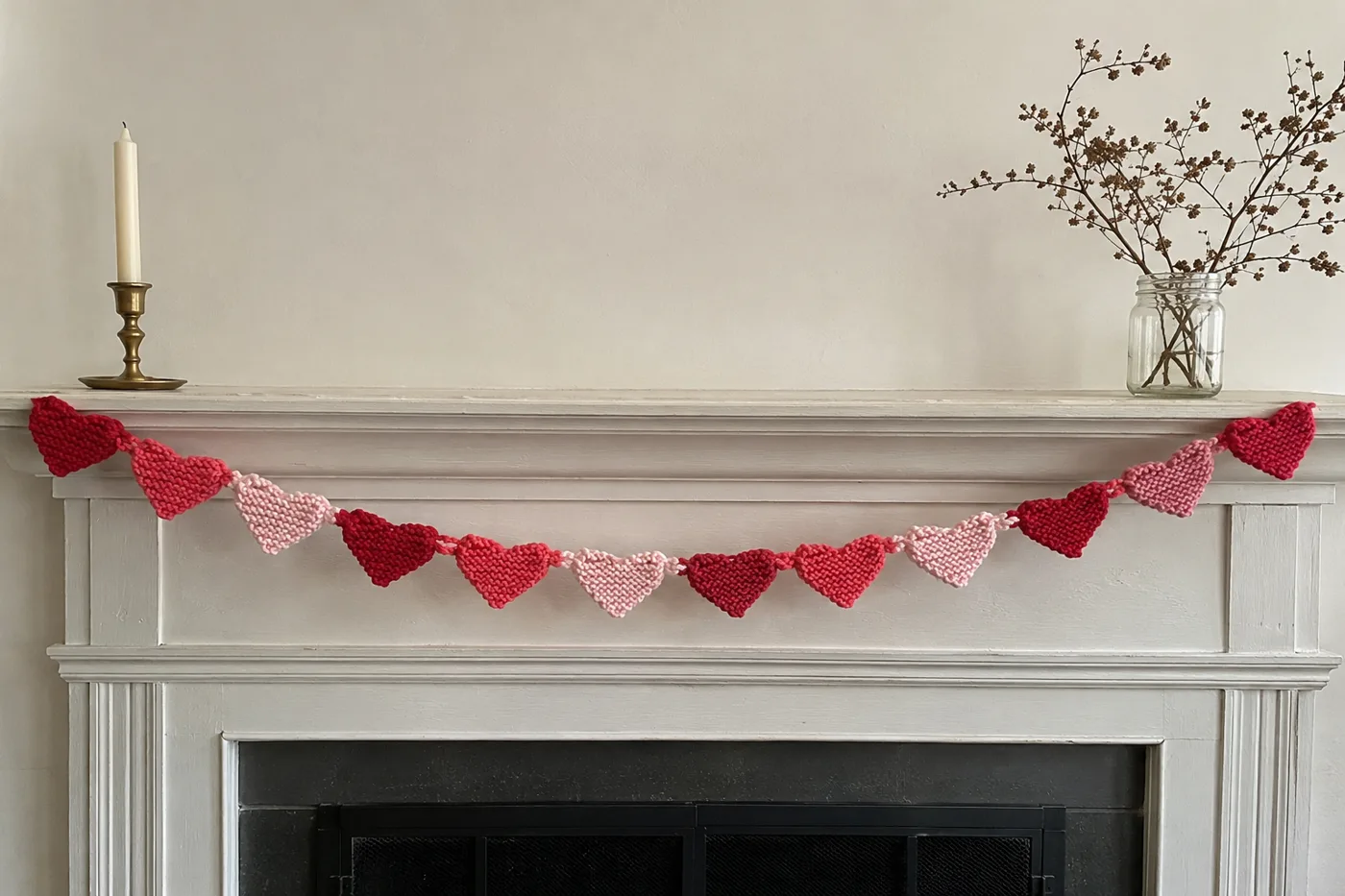
“Leftover yarn” sounds like one evening. Do the math before you cast on.
The size of the heart decides how many evenings it eats.
The clever pattern is Cassandra May’s Easy Knit Heart Garland, $4.50 on Ravelry. It’s knit flat in one piece in garter stitch, so it lies flat. There are only two ends to weave in, however long it gets. Each heart is about 2 × 2 in. on US 7 needles, and the yardage runs from 20 to 170 yards depending on how far you go.
A bigger heart looks lovely on its own and costs you. Handmadelytics’ flat heart is about 3.75 in. wide on US 6 needles. It takes 20 to 24 yards each, and the site estimates 1.5 to 3 hours per heart for its short-row method.
A 6 ft garland, worked out – 2 in. hearts touching: about 36. – 3.75 in. hearts touching: about 19. – Those 19 larger hearts use about 380 to 460 yards. – At 1.5 to 3 hours each, that’s about 28 to 57 hours.
That top number is a lot of February. Pick the small one-piece design, or space the hearts out along a cord so you knit fewer.
#13 Lavender sachets sewn from fabric scraps
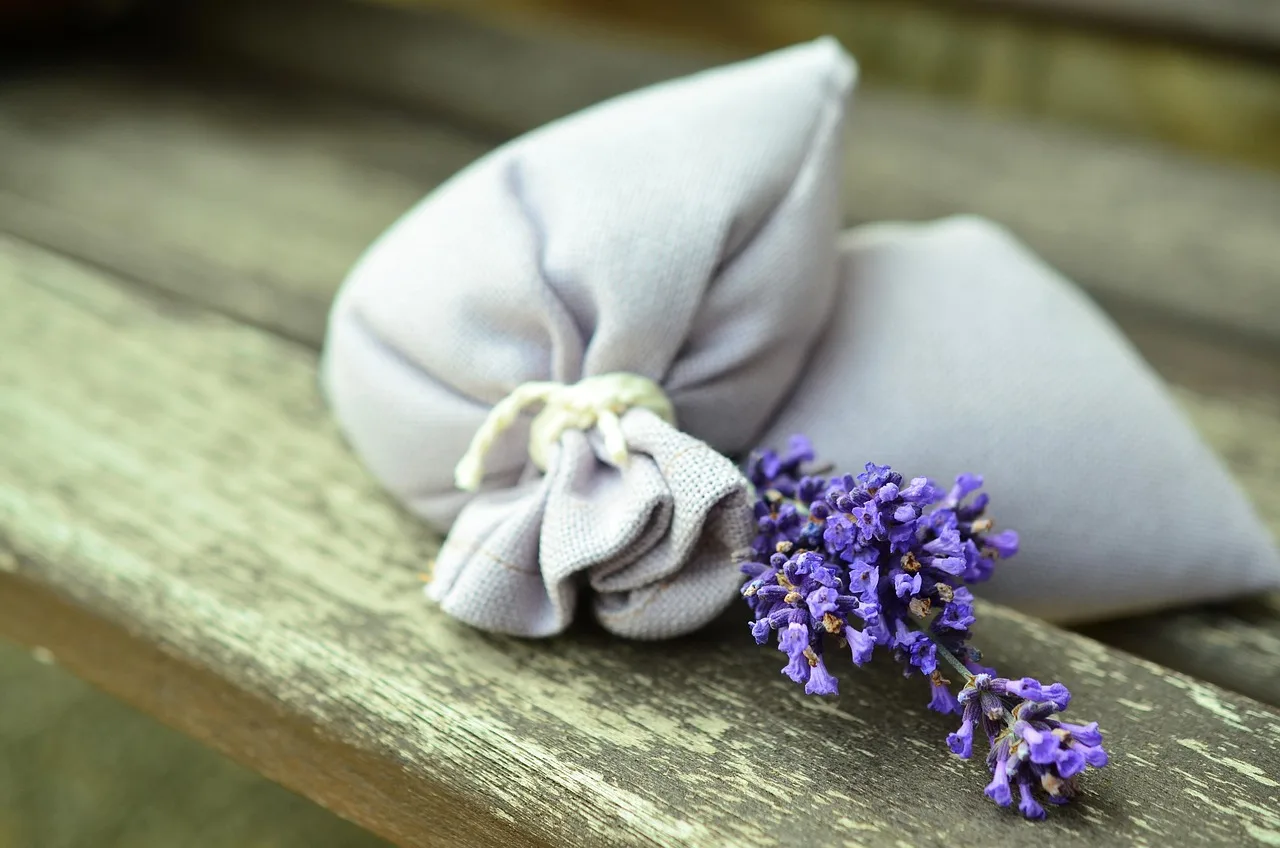
A 4 × 4 in. sachet takes one scrap of cotton or linen and about half a cup of dried buds. These measurements come from Must Love Roses, which used flour-sack towels:
- Cut one piece 8¼ × 4½ in.
- Sew it into a 4 × 4 in. pouch.
- Fill it at least ¾ full, which took about ½ cup of buds.
- For a sachet with some heft, mix in rice at about 1 part rice to 2 parts lavender. The rice also softens the scent, which helps if the person getting it finds lavender strong.
How long do lavender sachets last? Island Lavender, a grower, says the fragrance “will be strong for 6-9 months, and then gradually fade.” Give one in February and it should still smell strong into late summer or fall.
After that, the same grower says to “simply squeeze or gently crush the sachets,” or add a drop or two of lavender essential oil. Loose dried buds keep “2 to 3 years for strong fragrance,” so whatever’s left in the bag will refill the sachets next winter.
Put two words on the gift tag: SQUEEZE ME.
#12 Crocheted cotton heart potholder
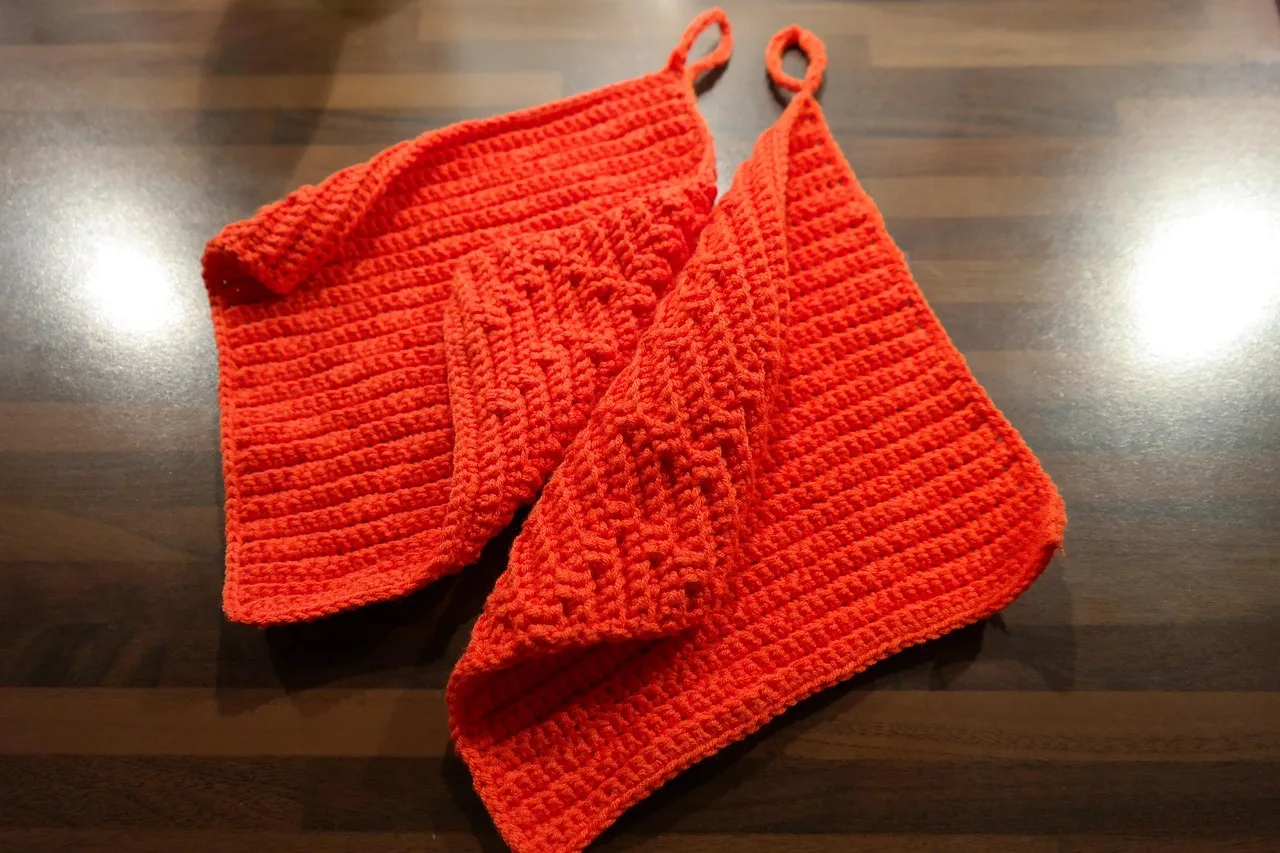
Make it in 100% cotton, worsted weight or thicker. Heat is the reason.
A Bee in the Bonnet lays out how the fibers behave under a hot pan:
| Yarn | Next to a hot pan | Worth knowing |
|---|---|---|
| Acrylic | Can melt | “Essentially plastic in yarn form” |
| Cotton | Doesn’t melt | Burns more easily than wool |
| Wool | Insulates better than cotton | Burns less easily than cotton |
Cotton is the right call for a potholder you’ll gift and the cook will wash. Keep it off a gas burner’s flame, though, because it “does burn more easily than wool yarn does.”
Thickness matters as much as fiber. “If it’s too thin, the heat will seep through more quickly,” the same source says, and it recommends “only worsted weight or thicker yarn” for potholders and hot pads.
 You might also like17 Handmade Christmas Ornaments Our Grandmothers Made
#11 Heart pincushion for a sewing friend
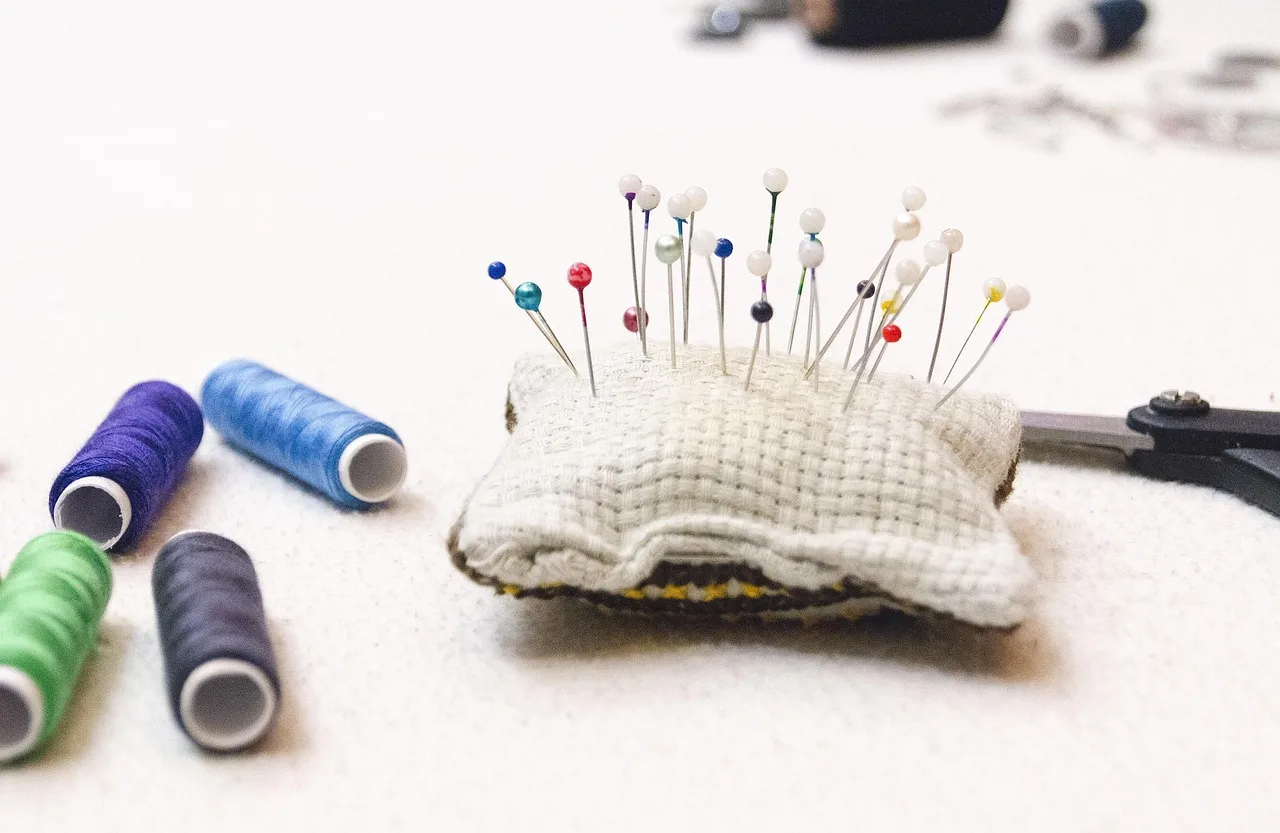
For a fellow maker, the filling is the gift’s real decision. One filling can be a problem for someone with a nut allergy.
Some people say walnut shells keep needles sharp and clean, Jacquelynne Steves writes, but she’s clear that walnut shells “should not be used or handled by people with a nut allergy.” If you aren’t sure about allergies in the house it’s going to, skip it.
The other two fillings have their own quirks:
- Fiberfill is very light, so Steves suggests adding a washer for weight.
- Emery is “a super fine sand which sharpens your needles,” though others say it scratches the needles’ finish.
A fiberfill heart with a washer added for weight sits right where you set it beside the machine.
#10 Appliqué heart coasters from thrifted fabric
Kathleen, who makes things on her Kathleen Illustrated YouTube channel, sums up the idea in one breath:
“Slap those patches on a square background, and you’ve suddenly got a fabric coaster.” Kathleen, Kathleen Illustrated
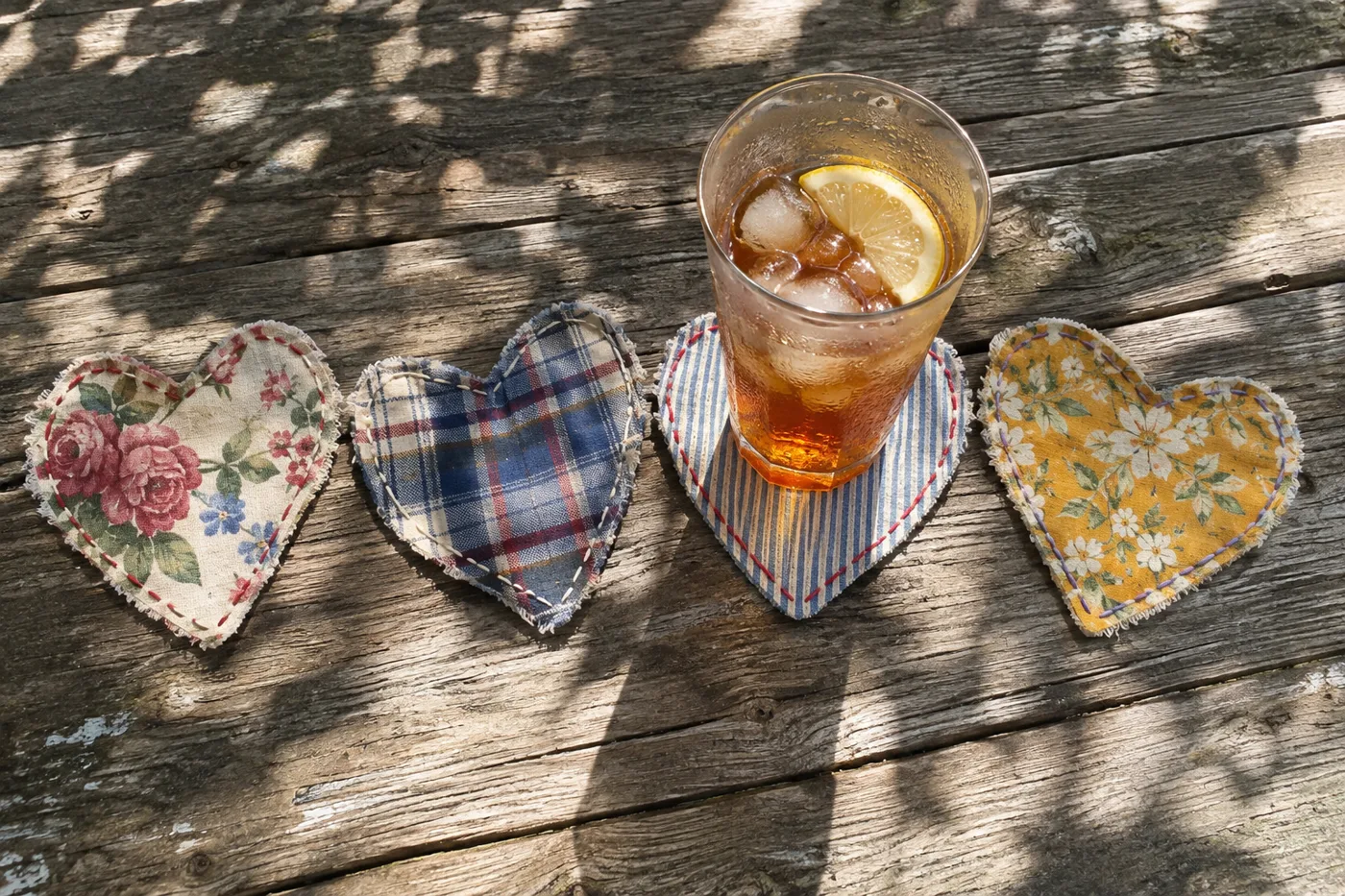
WeAllSew puts cork under the fabric because “the cork helps absorb moisture from drinks.” Its heart coaster fuses the fabric heart to the cork with fusible web, finishes the edge with a satin or blanket stitch, and binds it in ¼ in. bias tape. It stacks two 3½ in. cork circles in each coaster.
WeAllSew calls it an evening project and says you can make a dozen in a few hours. A dozen means 24 cork circles, so count them out before you start.
Kathleen makes her patches from thrifted fabric. Her version is square, and WeAllSew’s is round, with cork inside.
A mixed set of four, each heart from a different garment, looks planned even when it wasn’t.
#9 Knitted heart-pattern cotton dishcloth
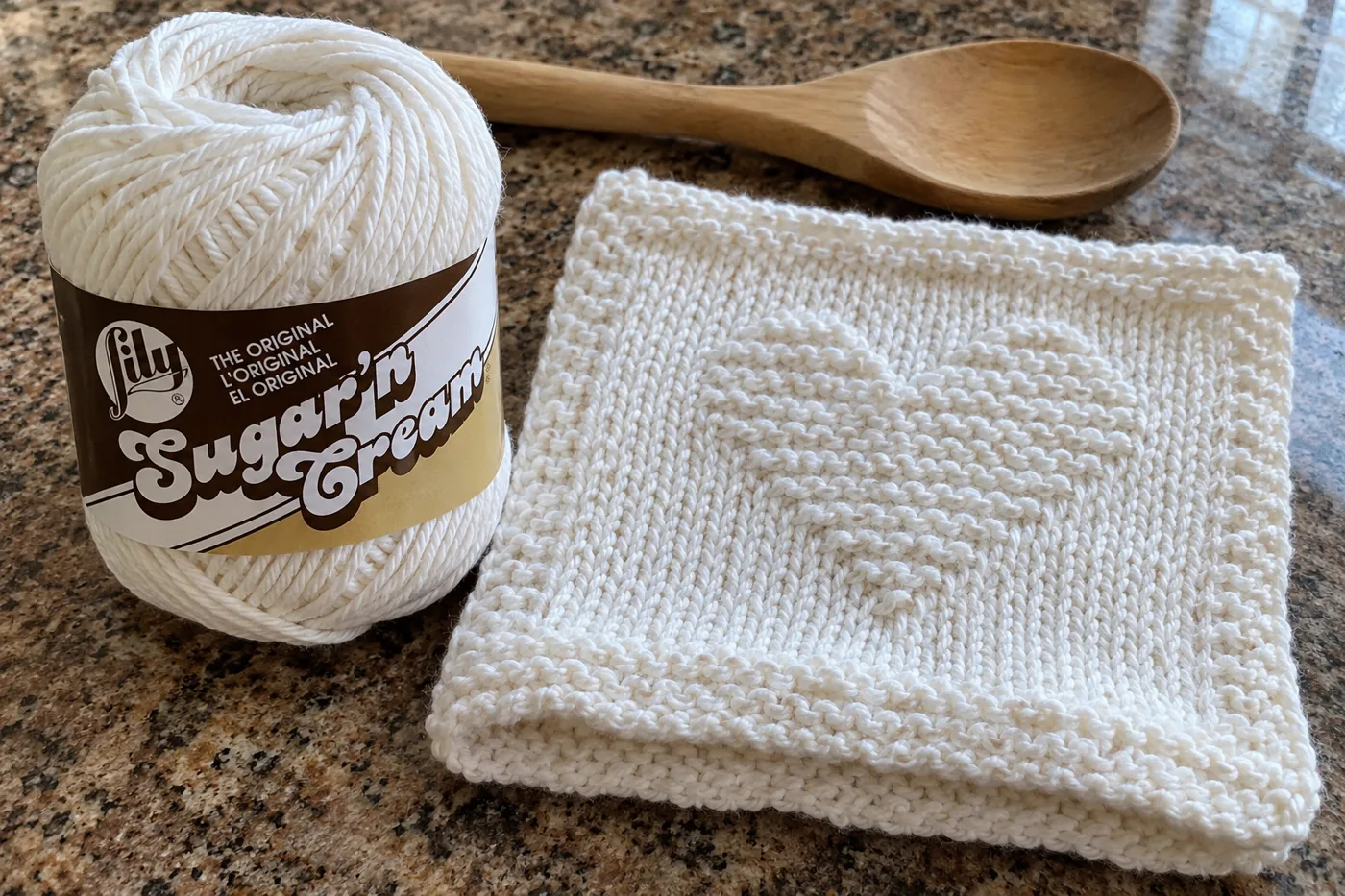
One ball, one dishcloth, and a home cook will use it until it’s thin.
The pattern is Lily Sugar’n Cream’s free Heart Dishcloth, knit version, from February 2012. It takes one 2.5 oz ball of Sugar’n Cream, which is 120 yards of 100% cotton, on US 6 needles. It finishes about 8 in. square at 21 stitches and 28 rows to 4 in.
Ravelry marks the Lily website source as out of print.
It’s the partner to the potholder in #12, in the same fiber. Fold two together, tie them with kitchen string, and leave them by the sink of whoever does the dishes.
#8 Cross-stitch heart bookmark for a reader
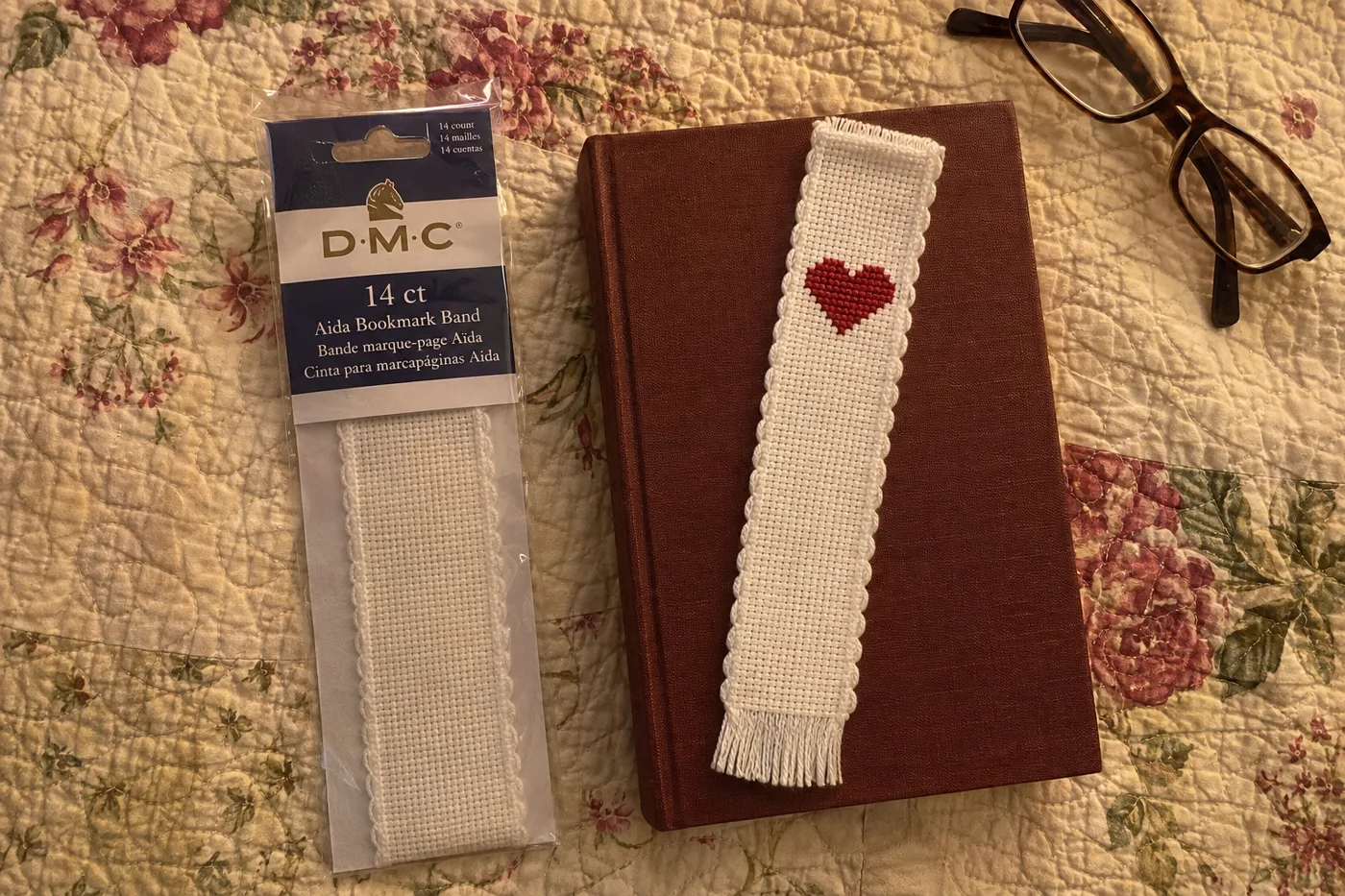
A bookmark suits anyone who reads in bed, and it’s an easy one to make for your husband, if you have one.
DMC sells a 14-count Aida bookmark band, 9.75 × 2 in., for $3.35, with a free pattern included. One surprise: it’s 100% polyester, not cotton. If you’d rather work on cotton, cut your own strip from cotton Aida and finish the edges yourself.
The width is the real limit. Two inches at 14 stitches to the inch gives you at most 28 stitches across, edge to edge. A heart 22 stitches wide leaves three on each side. Count the chart before you thread the needle.
#7 Hearts cut from a felted wool sweater
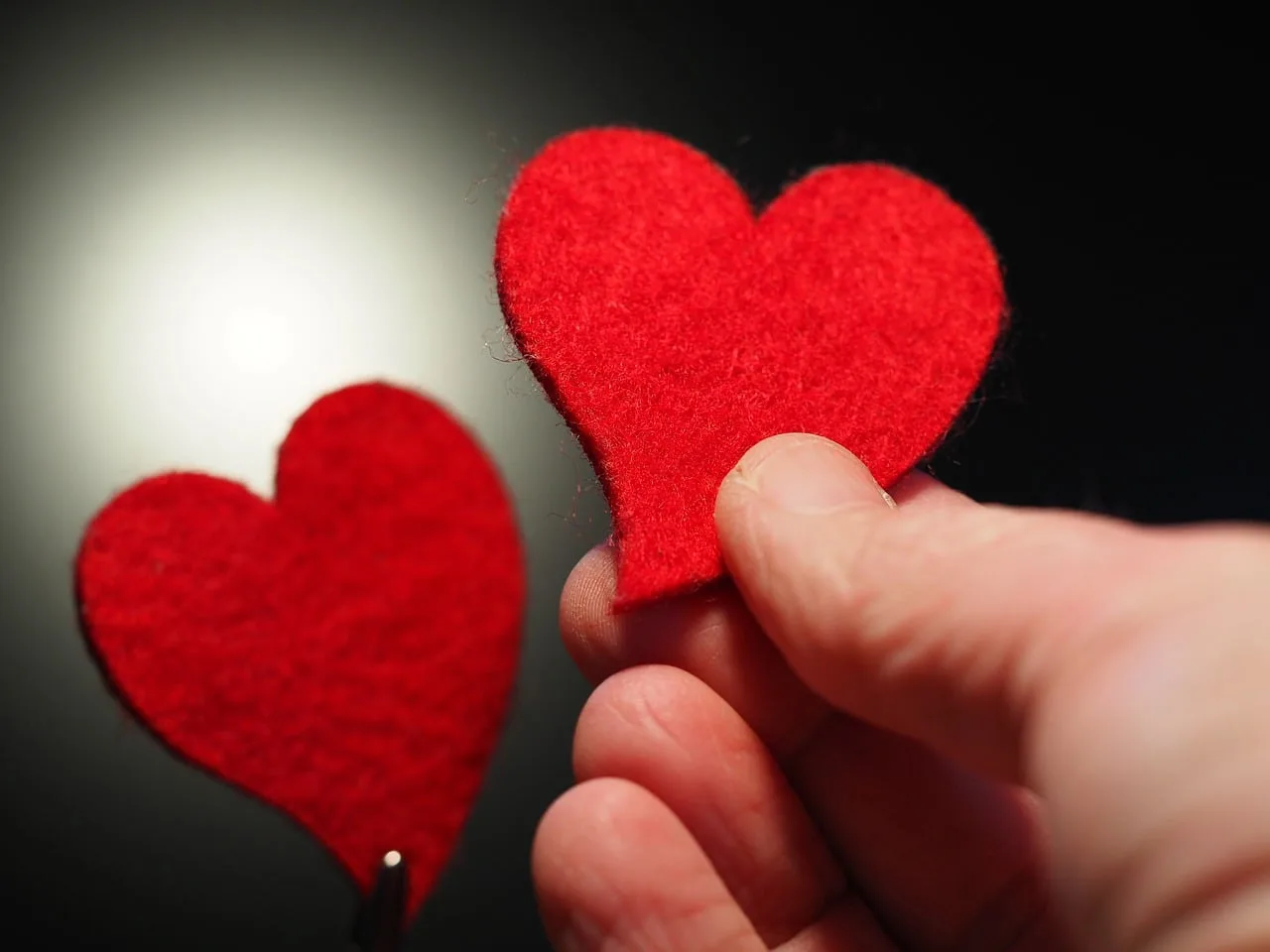
Read the label at the thrift store before anything else. If it says “superwash” or “machine washable,” put it back on the rack, because that wool won’t felt.
What you want is non-superwash wool, which Paradise Fibers says felts. Labels get cut out of old sweaters, so test before you cut. Rub a strand of it in warm, soapy water. Wool that will felt mats and sticks to itself. If it doesn’t mat, it probably won’t felt.
Felting takes heat, water and agitation together. How you supply those depends on your own washer, so check the sweater partway through instead of trusting a single cycle.
Did you know?
Superwash wool is usually treated with chlorine plus a polymer resin, Paradise Fibers explains, so the tiny scales on each fiber can’t grab one another, and fibers that can’t grab can’t mat together.
 You might also like17 Dollar Store Christmas Crafts That Look Expensive
#6 Painted heart canvas with a paper-roll stamp
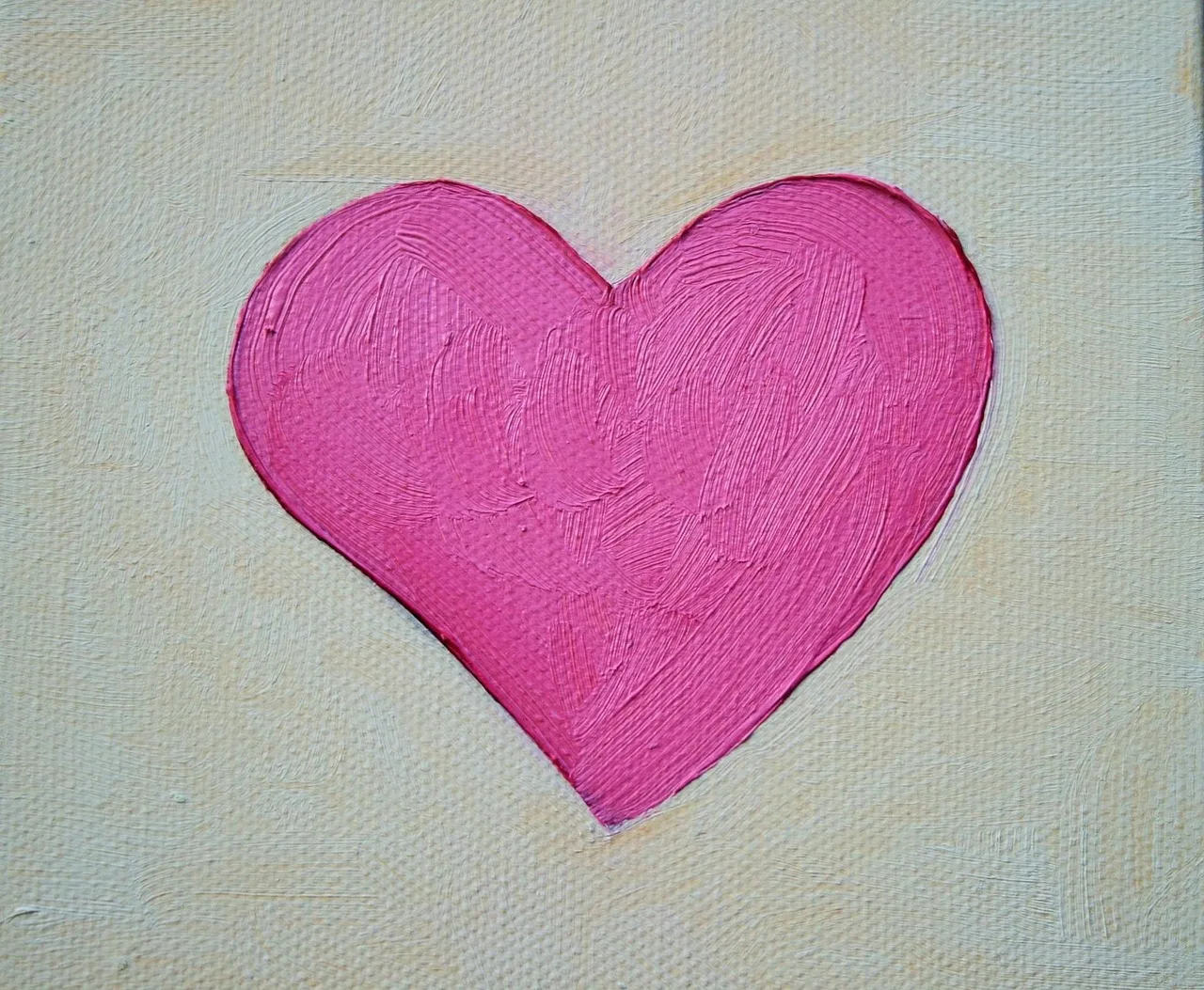
The stamp is an empty toilet-paper roll. Here’s how it works, from Raising Arizona Kids and painter Emily Seilhamer:
- Paint a small canvas in one color. Raising Arizona Kids uses red.
- Pinch the bottom of the roll for the point of the heart and push the top in. Tape across the top and bottom to hold the shape.
- For thin, even edges, dab the paint on with a sponge. For thick ones, dip the roll straight into the paint.
- Stamp. Repeat in a ring for a Valentine wreath.
Emily Seilhamer runs Emily Seilhamer Art LLC and makes step-by-step acrylic tutorials for beginners. In her Valentine wreath video, she reaches for “a pounce sponge” and dabs “over top of the heart to make the paint go on a little bit more even.”
Use whatever acrylics and canvas are already in the craft cupboard. As for the sketch underneath, she has this to say:
“And don’t worry if it’s not perfect, because we are going to add texture over top of it.”
#5 Galentine’s swap night, one symbol each
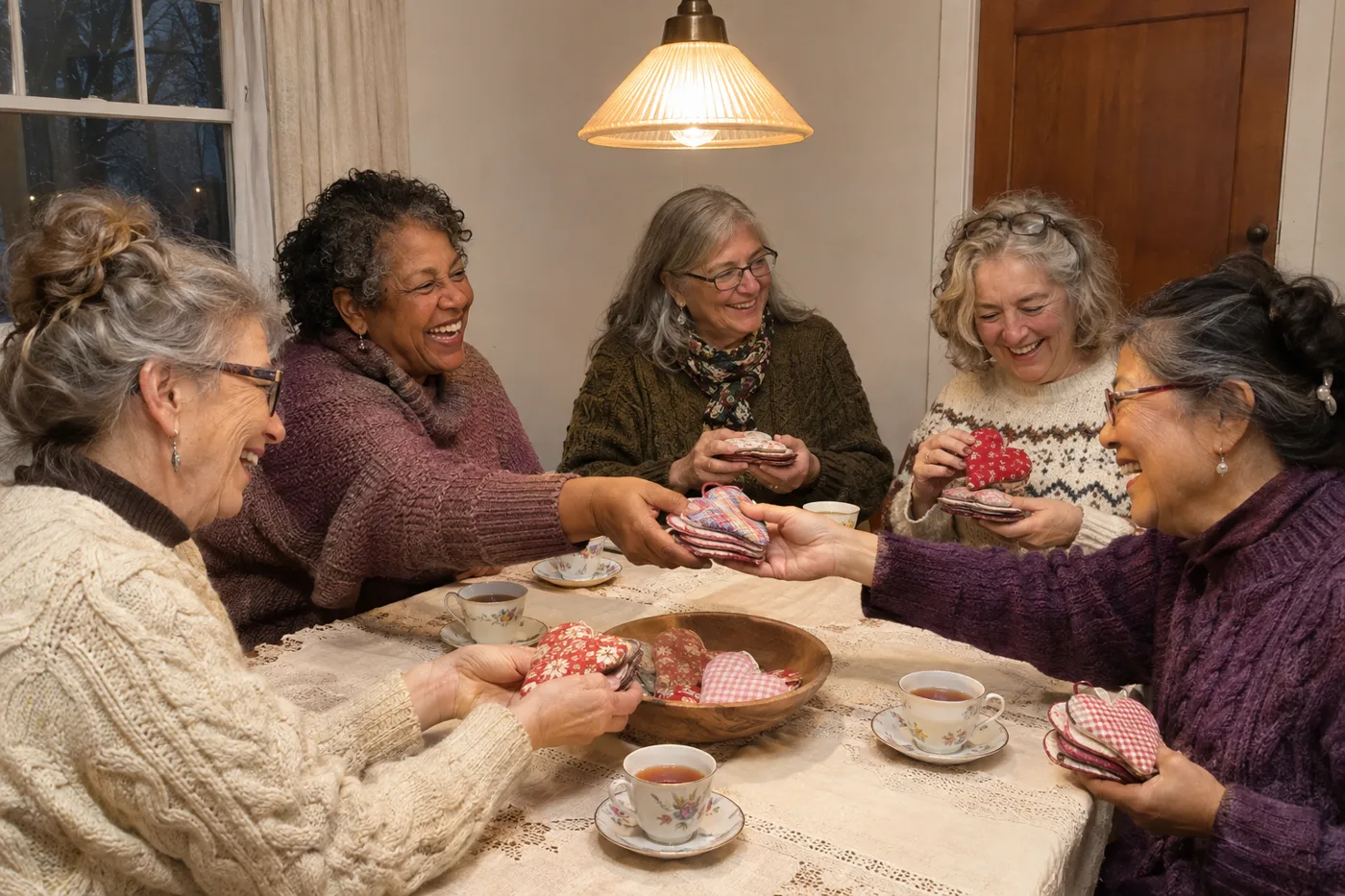
It’s February 13. The dining table has an old cloth over it, and everyone who came is holding a little stack of the same thing: six tiny hearts, or six stars, or six horseshoes.
That’s the whole plan. Each friend makes several of one simple symbol, enough for everyone at the table, then you swap. Everybody goes home with one from each friend.
Kathleen of Kathleen Illustrated, who describes the idea with beads, is firm about the symbol:
Horseshoes, she says, rather than sculpted horses. The appliqué hearts from #10 batch especially well.
If you’re hosting, she suggests doing the measuring ahead, so guests can start making as soon as they sit down instead of drawing out grids. For a group with mixed skills, she suggests thrifted costume-jewelry beads in place of beads people make themselves. Nobody has to be good at anything to string a bead.
The night even has a date. Galentine’s Day comes from a 2010 episode of Parks and Recreation, where Leslie Knope calls it a day for “ladies celebrating ladies.” It’s traditionally held on February 13.
#4 Framing a handmade Valentine so it lasts
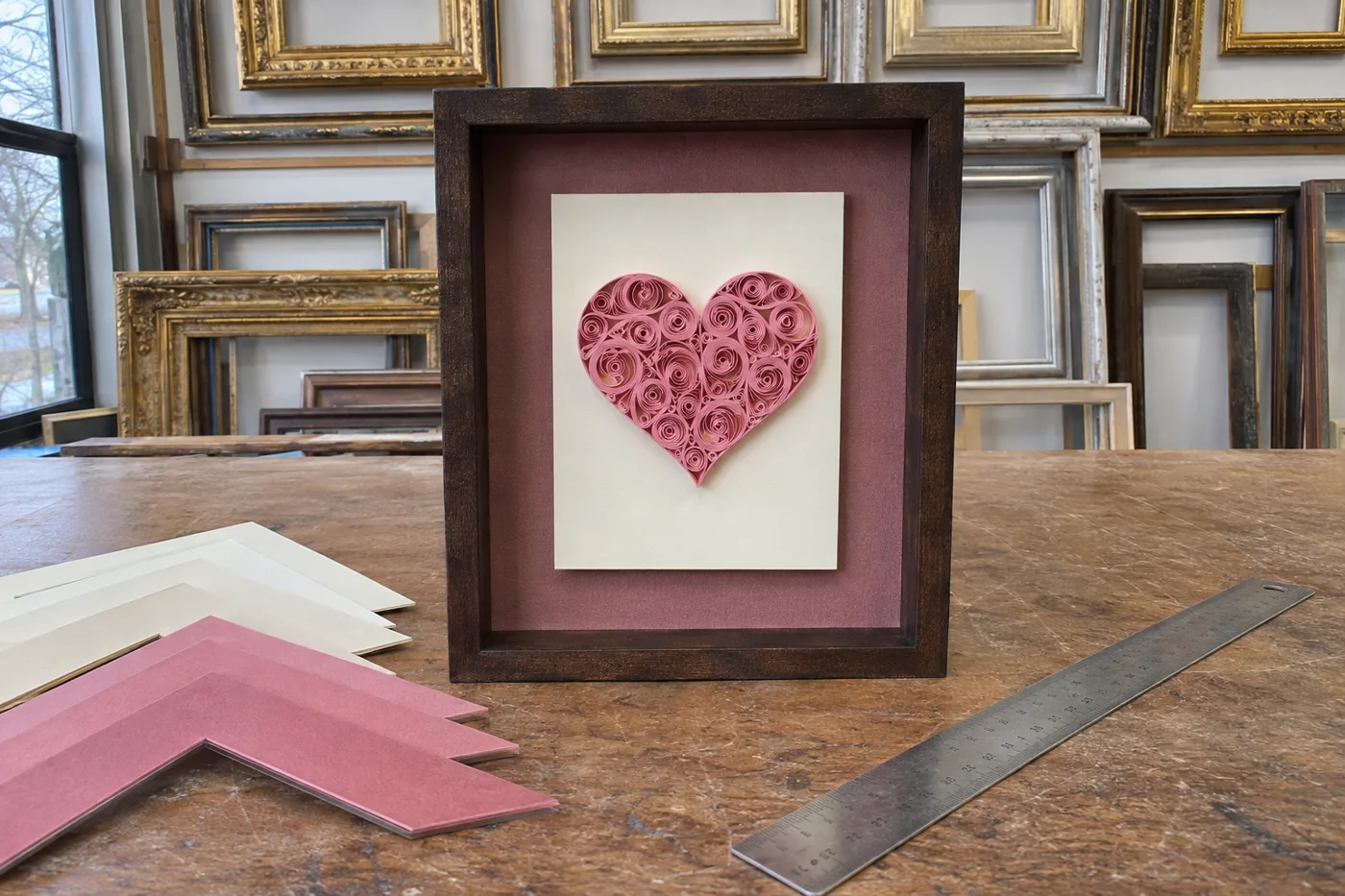
Cardboard backing can damage a keepsake over time, so start with the backing.
“Cardboard is acidic and it will damage your artwork.” Dr. Lori, PhD antiques appraiser, on YouTube
Here’s what to ask the framer for, in the Library of Congress’s own wording:
- Mat: 100% cotton rag, or lignin-free board, which is wood pulp that’s been chemically purified.
- Backing: acid-free, lignin-free corrugated board with a moisture barrier, or corrugated polypropylene, at least 3 mm thick.
- Glazing: UV-opaque acrylic. The Northeast Document Conservation Center suggests at least 99 percent UV filtering.
- Closing it up: pins or brads, never tape.
Turn down cardboard, kraft brown paper and every kind of foam board. That includes the paper-faced foam boards sold as “archival.”
The piece should never touch the glazing. For a quilled heart or anything raised, ask for a shadow box or deep frame, or spacers of rag board, acrylic, aluminum or wood to hold the acrylic off the work. Keep any wood from touching the piece itself. Then hang it somewhere with soft light.
In two Reddit posts, people urge makers to frame finished cards or put them in a shadow box rather than treat them as throwaway cards. For a handmade Valentine’s Day gift that took hours, that’s the right instinct.
Did you know?
The Library of Congress says “Long-term/permanent display of paper-based materials is not recommended.”
#3 Quilled paper heart card, with the real hours
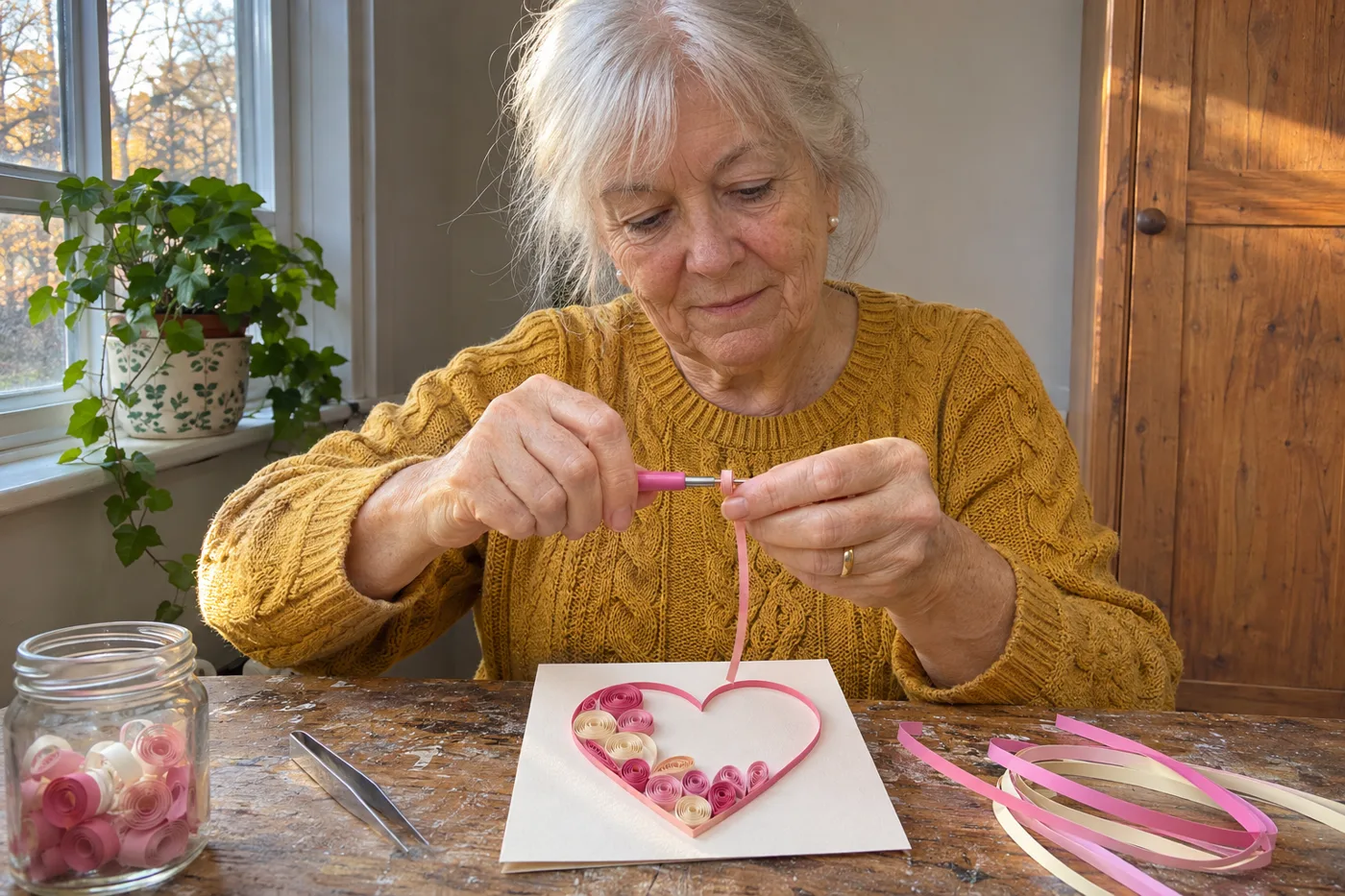
Quilling builds a picture from narrow strips of paper rolled into coils. The photos make it look like a pleasant afternoon. Plan on more.
A card quiller on Reddit’s r/crafts put it plainly: “I’d say that including choosing and cutting the paper, it takes me anywhere from an hour and a half – 3 hours to make a card.” That quiller says measuring and placing the coils is the slow part.
A beginner’s guide on Mural Moods Art is a little kinder: 1 to 2 hours for a simple card, 3 to 5 hours for a small framed piece once drying is counted. It also says to “Give the glue at least 2 hours to set before moving the cardstock.”
The fastest number comes from Quilling Card, a company whose cards are made by trained artisans in Vietnam: “It takes one hour to make each card.” You’ll be slower, and that’s fine.
At the r/crafts quiller’s pace, five cards is 7.5 to 15 hours before the glue has set. If you want five, start the first weekend of February, not the last.
#2 Rice-filled heart hand warmers
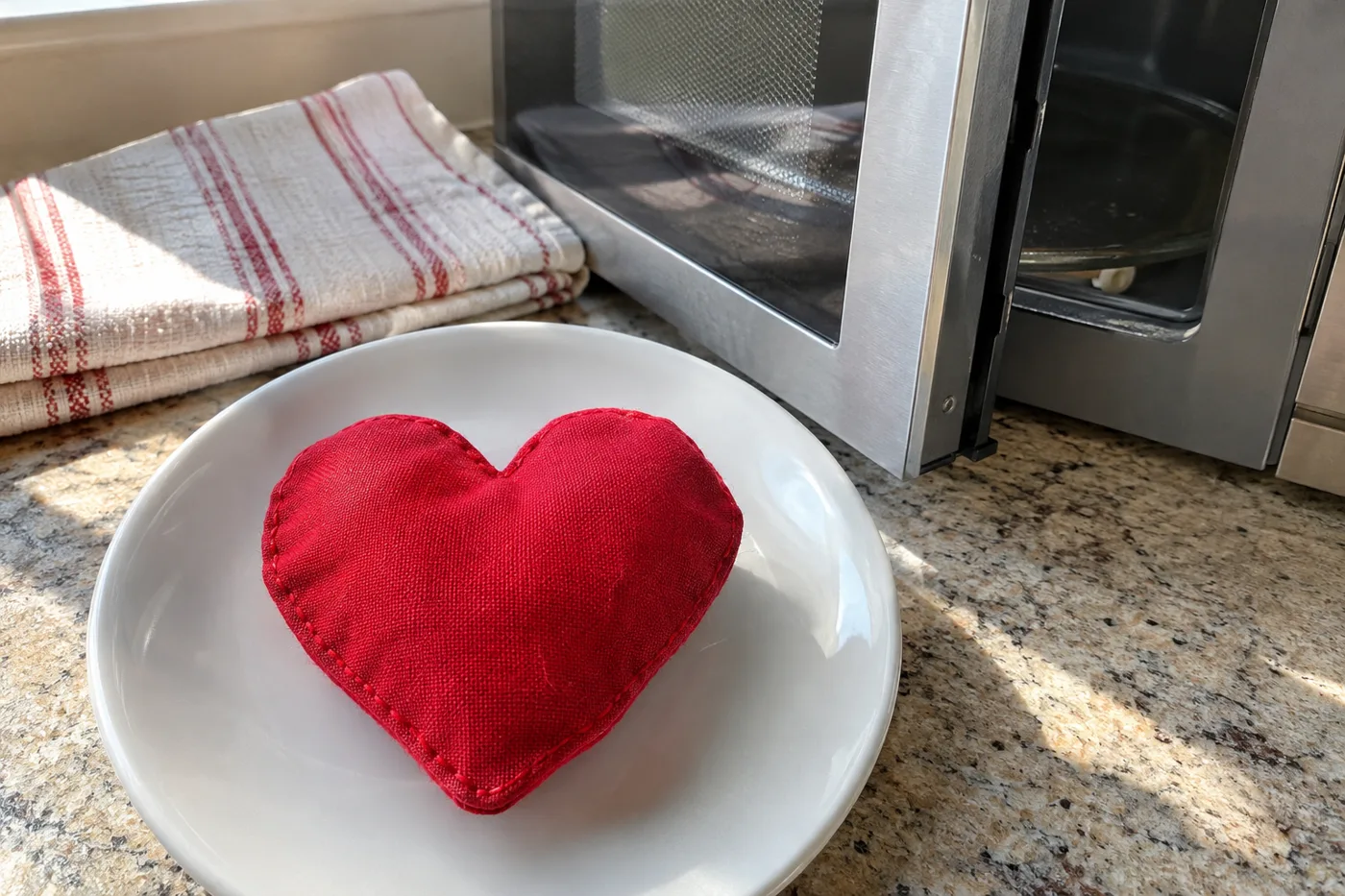
Who gets this one matters more than how you sew it.
The sewing is easy. Liz Johnson, editor of Sew4Home, calls 100% cotton “the traditional choice for anything microwaveable.” She tested fillers after 30 seconds in the microwave. Rice came out at 140 degrees and was at 136 five minutes later. Flaxseed came out at 144 and held at 142, so it kept the most heat, but it had the most noticeable smell. Use rice for the person with a sensitive nose and flax for the one who wants it warm longest.
Hot wheat bags can cause serious burns. In a burns unit study of 11 hot wheat-bag injuries, reheated bags reached up to 75°C, about 167°F, and ten of the patients needed surgery. South Australia’s fire service, writing about wheat bags, says “Do NOT use wheat bags with babies or young children” and advises “extreme caution with the elderly or frail people.” Those sources are about wheat bags, but if you fill yours with rice, follow the same cautions.
Rules to send with it (the last three are the fire service’s wheat-bag rules) – Heat 15 to 30 seconds. Johnson says that “is usually plenty.” – Never reheat until it has fully cooled. – Don’t use it in bed. – If it ever smells of burning, let it cool and throw it out.
Write those four lines on a card and tuck it in with the warmer. It’s the part of the gift that keeps the rest of it safe.
#1 Mailing a handmade Valentine without paying extra
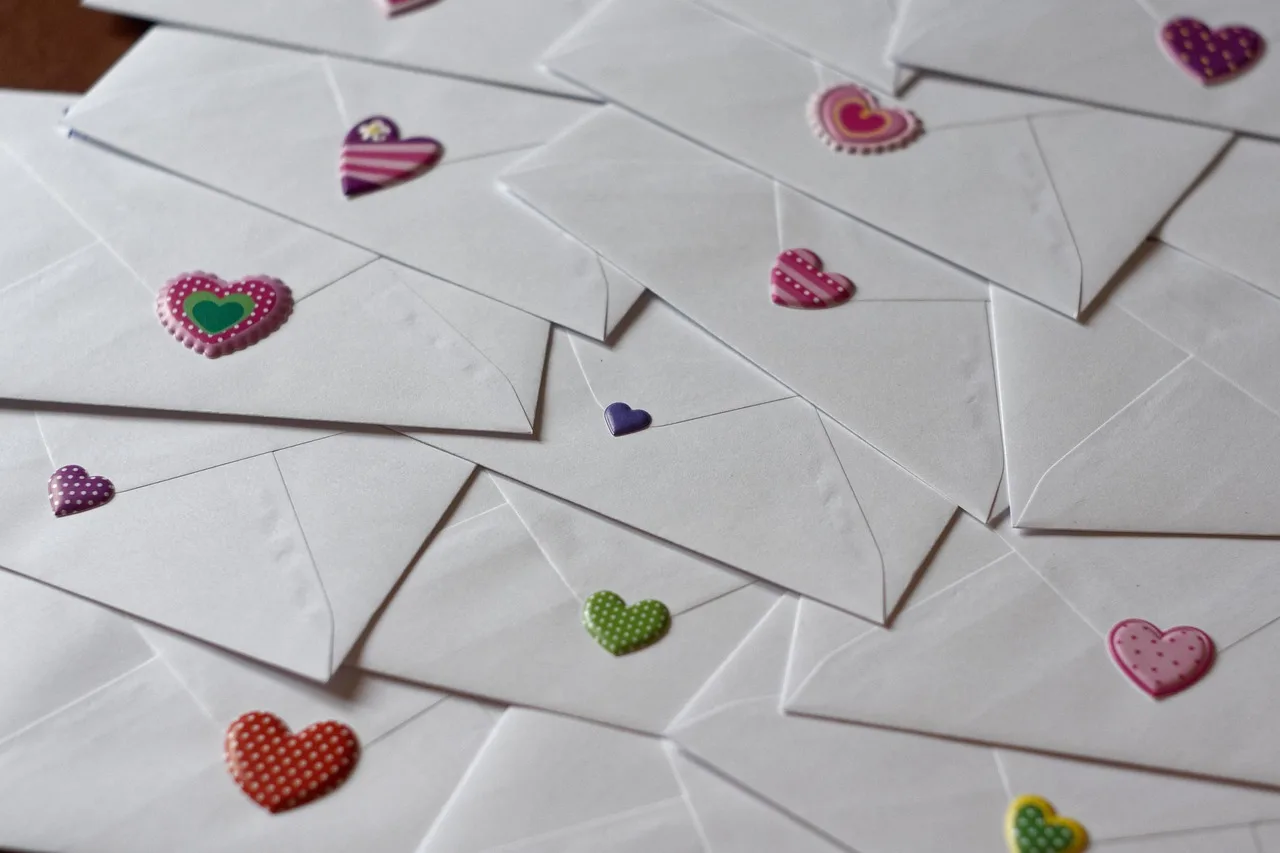
A square envelope costs you 49 cents more on every card you send.
The Postal Service adds a nonmachinable surcharge to any letter its sorting machines can’t handle. One of the triggers is shape. The rule is that length divided by height must be at least 1.3 and no more than 2.5. A square’s sides are equal, so its ratio is 1, and it fails every time.
Under USPS Notice 123, effective October 4, 2026, a 1 oz stamped letter is $0.82 and the surcharge is $0.49. A square card costs $1.31 to mail, against $0.82 for a standard one.
| Envelope (inches) | Length ÷ height | Result |
|---|---|---|
| 5.75 × 4.375 (small note card) | 1.31 | Passes, just barely |
| 7.25 × 5.25 (5 × 7 card) | 1.38 | Passes |
| 9.5 × 4.125 (business size) | 2.30 | Passes |
| 6 × 6 (square) | 1.00 | Extra postage |
| 5.5 × 5.5 (square) | 1.00 | Extra postage |
Measure your own envelopes, since sizes vary. Strathmore’s watercolor card packs come with 5.25 × 7.25 in. envelopes, which pass. Quilling Card tells customers that its 6 × 6 in. square cards “need to be hand-canceled,” which brings the surcharge with it.
Shape isn’t the only thing that catches a handmade card. USPS also charges extra for “clasps, strings, buttons, or similar closure devices,” for anything that makes the thickness uneven, and for mail that’s too rigid to bend. A ribbon tie, a sewn-on button or a little charm will do it.
Thickness is the last line. Anything over ¼ in. thick stops being a letter. If it bends and is evenly thick up to ¾ in., USPS treats it as a flat, and past that, a parcel. Raised quilling crosses that line fast. The r/crafts quiller who mails hers says, “I bought large biodegradable padded envelopes for them.”
Prices change, so pull up Notice 123 again before you buy stamps in February. Then lay a ruler across the envelope before you seal it.
Keep reading
 17 Things Christmas Bazaar Sellers Know That Craft-Fair Guides Don’tSee all 17 →
More you’ll enjoy
 17 Handmade Gifts Grandkids Will Actually Keep
 17 Christmas Crafts for Adults That Make Lovely Gifts
 15 Things Hiding in Grandma’s Sewing Box That Could Be Worth Real Money
The bottom line
Valentine’s reaches well past couples. In the National Retail Federation’s 2026 survey, 58% of people who celebrate plan to buy for family members other than a partner or spouse. That leaves you a longer list than one name.
Think about who in your life uses something every day without noticing it: a mug, a dishcloth, a book left open on the nightstand. A handmade version of that is one they’re likely to keep.
Write a name next to each project before you cut a single piece.
Bonus: Four finishing touches for the gift itself
- Sew the wrapping instead of buying it. Sew Can She’s lined 6 × 6 in. drawstring bag is cut from four 6½ in. squares. The drawstring is 1½ in. wide and the bag’s width times two plus 7 in. long, so 19 in. for this size. Sew Can She marks the smallest size in its chart as fat-quarter friendly, but notes the drawstrings need extra fabric.
- Top it with a rolled fabric rosette. Little Birdie Secrets cuts or tears a 1 in. strip: about 22 in. for a small flower, the 44 in. width of fabric for a large one, about 60 in. for extra large. Knot one end, twist and wrap, and dab fabric glue every ¼ to ½ turn.
- Keep the Valentines you receive. A crafter on r/crafts suggests you “Mount them on cardstock to make them stronger, then write on each one something you appreciate about her or a memory of something nice you did together.”
- Sign the back of anything quilted with your name and the year, in fabric pen or a stitched label.
Questions people also ask
How long does it take to make a mug rug?
An unbound mug rug takes about 10 to 20 minutes, according to Treasurie, which lists 30 minutes all in on its recipe card. Binding adds time. A pieced, appliquéd quilt-as-you-go 6 × 9 in. version takes about 4 to 6 hours, says Julie Cefalu of The Crafty Quilter.
What yarn should I use for a crochet potholder?
Use 100% cotton in worsted weight or thicker. A Bee in the Bonnet warns that acrylic can melt under a hot pan, and that thin fabric lets heat through faster. Cotton doesn’t melt, but it burns more easily than wool, so keep it away from an open flame.
How long does lavender in a sachet stay fragrant?
A grower, Island Lavender, says a sachet stays strongly fragrant for 6 to 9 months and then gradually fades. Squeezing or gently crushing the sachet, or adding a drop or two of lavender essential oil, revives it. Unused dried buds keep a strong scent for 2 to 3 years.
Does a square card cost more to mail?
Yes. A square envelope’s length-to-height ratio is 1, below the 1.3 minimum in the USPS mail rules, so it carries a nonmachinable surcharge. Under Notice 123, effective October 4, 2026, that’s $0.49 on top of the $0.82 one-ounce rate, $1.31 in total. Check the notice again before you mail, since prices change.
How do you frame a handmade card so it lasts?
Use a 100% cotton rag or lignin-free mat, a lignin-free or polypropylene backing at least 3 mm thick, UV-opaque acrylic, and pins or brads instead of tape, as the Library of Congress recommends. Keep the card from touching the glazing, using spacers for raised work. The Northeast Document Conservation Center also warns against foam board and kraft paper.
Are microwave rice heating pads safe to give as gifts?
The sources here are about wheat bags, so treat a rice-filled warmer with the caution they give for wheat bags. South Australia’s fire service, writing about wheat bags, says not to use them with babies or young children, to take extreme caution with the elderly or frail, and never to reheat one until it has fully cooled. Heated wheat bags can cause serious burns, and a burns unit study of wheat-bag injuries found reheated bags reached up to 75°C.